 Inspire
Isotonix Maximum ORAC Review
Most antioxidant labels throw a number at you and expect you to be impressed. Maximum ORAC is built entirely around one number, and this Isotonix Maximum ORAC review checks whether that number actually means what the label implies.
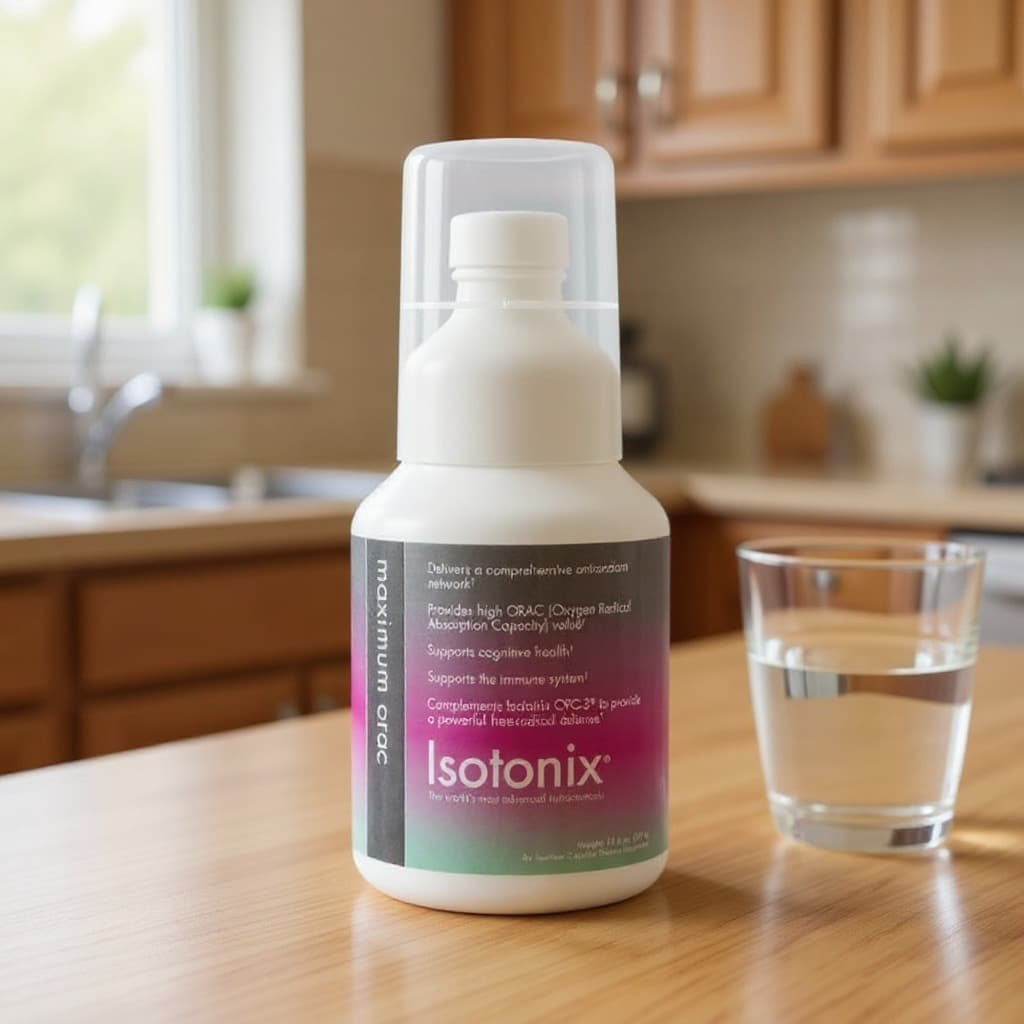
our rating
What we liked
- 13 antioxidant sources in one formula, not one or two
- Real fruit concentrates: cranberry, blueberry, elderberry, pomegranate, and more
- BioPerine (black pepper extract) added to help absorption
- Isotonic delivery, same fast-absorbing format as OPC-3
What to know
- The “3000 ORAC units” headline number is a lab measurement, not a felt effect
- Overlaps with OPC-3 rather than replacing it
- Pricier than a plain vitamin C tablet
- Contains fructose and glucose as sweeteners, worth knowing if you track sugar
Key takeaways
- Maximum ORAC packs 13 different antioxidant sources into one isotonic drink, led by cranberry, blueberry, elderberry, pomegranate, and black currant concentrates.
- ORAC stands for Oxygen Radical Absorbance Capacity, a lab test that scores how well a food or extract neutralizes free radicals in a test tube. One serving supplies 3000 ORAC units.
- That lab number is real, but nutrition scientists have pushed back on how much it predicts what happens inside an actual body. We cover that honestly below, not just the marketing version.
- It sits next to OPC-3 in the Isotonix lineup rather than replacing it. Different sourcing, some ingredient overlap, and the label itself says the two are meant to be taken together.
Who it’s for (and who should skip it)
It comes down to one practical question: do you want a wide net of fruit-based antioxidants, or a tighter formula built around one well-studied compound class? Here’s how we’d split it.
Buy it if…
- You want variety: a dozen-plus fruit and plant antioxidants instead of just one or two
- You already take OPC-3 and want to add breadth, not swap it out
- You’d rather drink an isotonic formula than choke down another capsule
- You’re comfortable treating “3000 ORAC units” as a formulation detail, not a promise
Skip it if…
- You’re only shopping on the ORAC number itself, since it’s a weaker proof point than it sounds
- You want the lowest-cost way to get vitamin C and berry extracts
- You’re watching added sugar closely (it uses fructose and glucose as sweeteners)
- You already eat a diet loaded with fresh berries and don’t feel a gap to fill
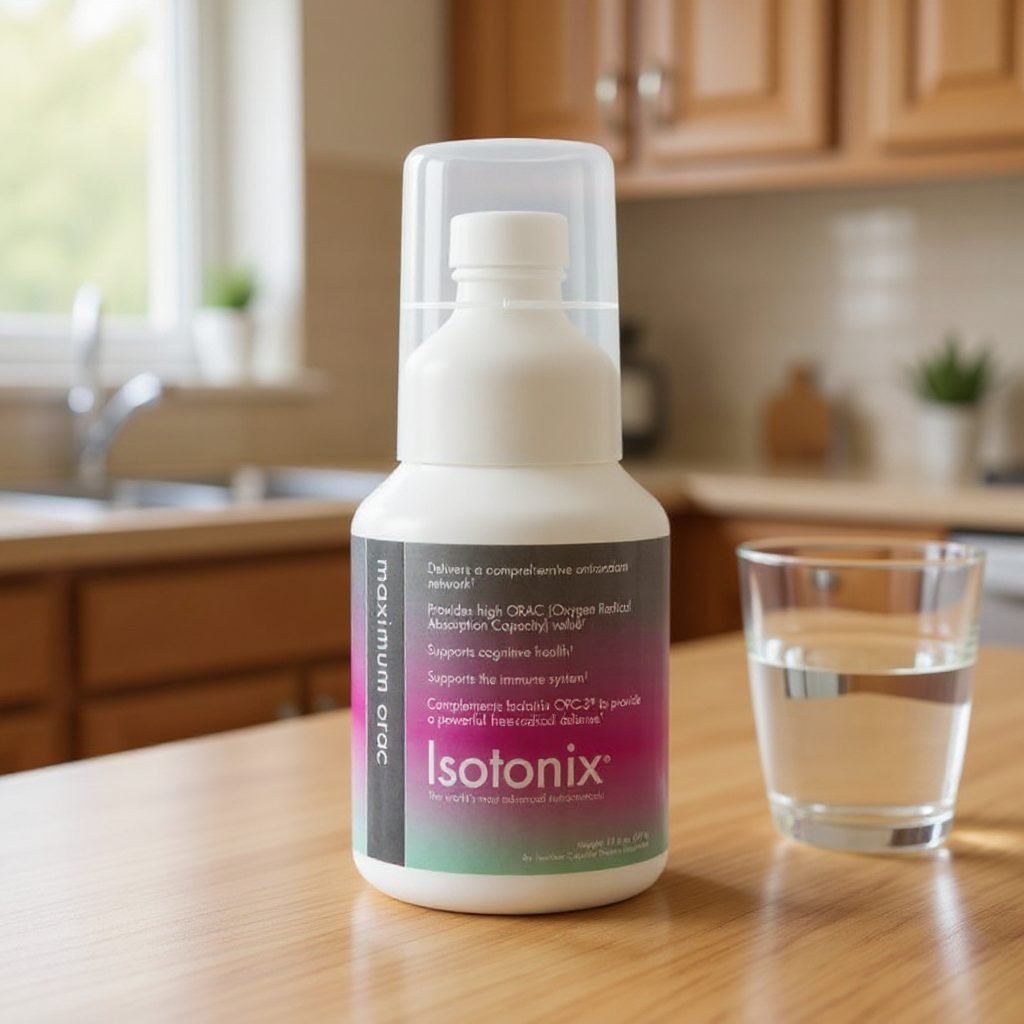
What’s in it: 13 antioxidant sources
Here’s the simple version: your body is constantly generating unstable molecules called free radicals as a byproduct of normal life, exercise, sunlight, digestion, all of it. Antioxidants are the molecules that neutralize them before they damage cells. Most supplements give you one source of that protection. Maximum ORAC stacks 13.
The full ingredient panel also lists these as inactive or delivery ingredients:
- Potassium bicarbonate
- Fructose
- Citric acid
- Malic acid
- Silicon dioxide
- Stevia leaf extract
- Luo han guo (monk fruit) extract
- Glucose
- Maltodextrin
- Stearic acid
The formula is manufactured in an FDA-registered facility under GMP standards, and it’s labeled gluten-free, dairy-free, vegan, and non-GMO.
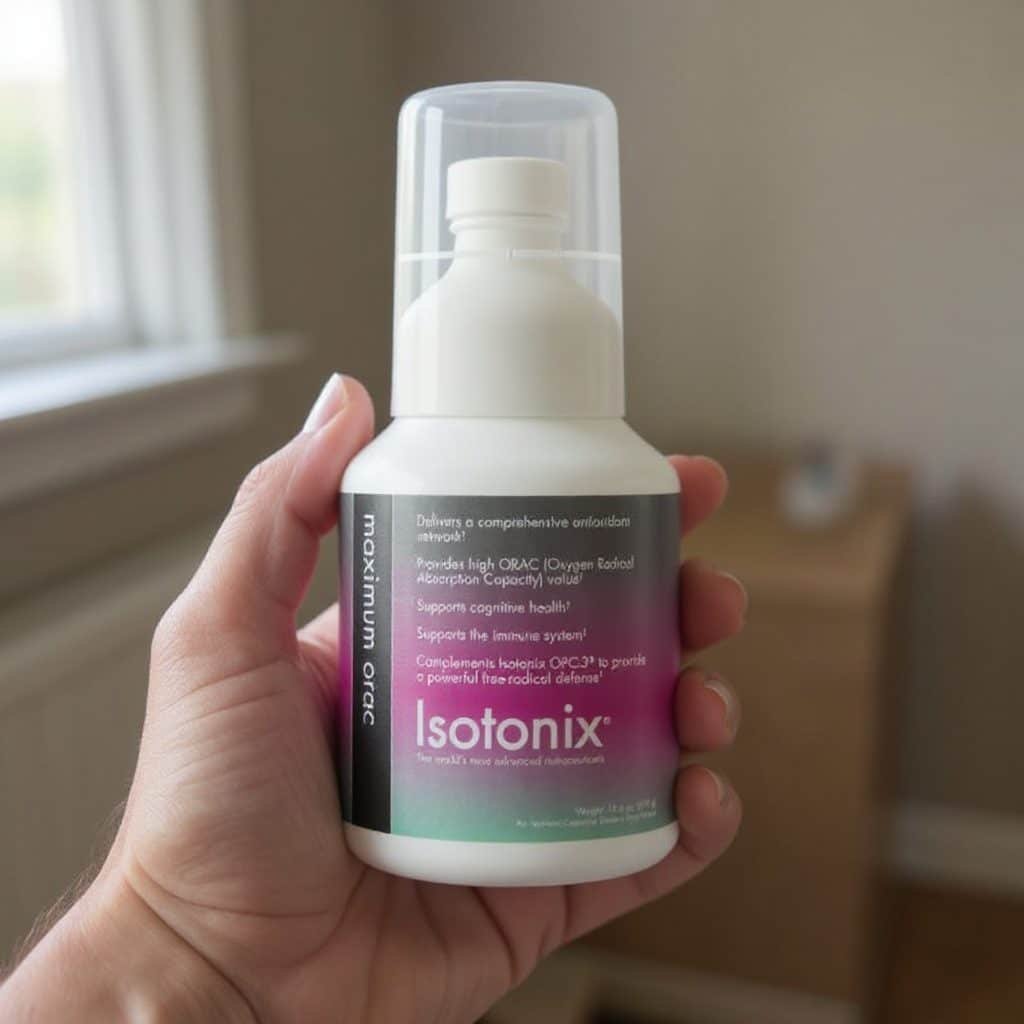
What ORAC actually measures
ORAC stands for Oxygen Radical Absorbance Capacity. It’s a laboratory test, not a health outcome. Scientists mix a food or extract with free radicals in a test tube and measure how much the sample slows down the reaction. The result is expressed in ORAC units.
Isotonix states one serving of Maximum ORAC supplies 3000 units. That’s above the roughly 3000-unit-per-day benchmark the brand cites as a “good” antioxidant intake target from high-ORAC foods like blueberries, cranberries, and elderberries.
Our honest caveat: ORAC was originally developed by USDA and NIH researchers as a tool to compare antioxidant capacity of foods in a test tube. The USDA pulled its own ORAC database for foods in May 2012, saying the values don’t reliably predict what an antioxidant does once it’s inside a living body. It also flagged that the numbers were being “routinely misused” in food and supplement marketing.
Absorption, metabolism, and how a compound behaves in actual tissue all change the picture. A high ORAC score tells you a formula is chemically reactive against free radicals in a dish. It does not, on its own, tell you how much of that reaches your bloodstream or what it does once it’s there.
We think the ingredient list here is genuinely solid. We just wouldn’t buy this, or any product, on the ORAC number alone.
Weigh the ingredients, not the score
What we’d weigh instead: the ingredients themselves. Cranberry, blueberry, elderberry, and pomegranate all have their own separate research on polyphenol content and antioxidant activity, independent of any ORAC score attached to them. That’s a more useful thing to look at than the single combined number on the front of the bottle.
In practice: mix one capful with the marked amount of cool water on an empty stomach, once daily. The isotonic form is designed to begin absorbing in the upper small intestine within minutes, the same delivery mechanism used across the Isotonix line, including OPC-3.
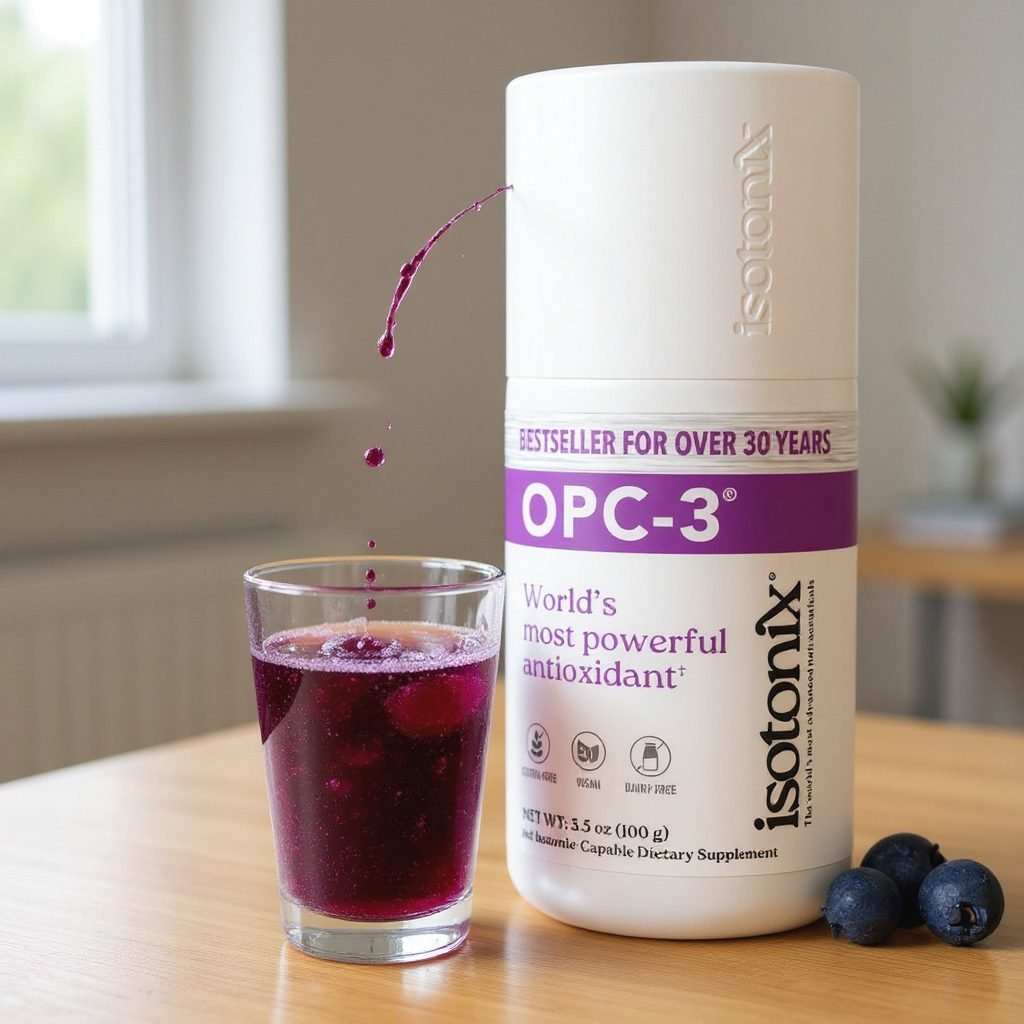
Antioxidants and free-radical exposure
Free radicals come from ordinary sources: exercise, UV exposure, pollution, and normal metabolism all generate them. Some level of oxidative stress is normal and even useful for signaling, but chronic excess is linked to accelerated cellular aging. Dietary antioxidants, vitamin C, plant polyphenols, and carotenoids, are one of the tools the body uses to manage that load, alongside its own internal antioxidant systems like glutathione.
The individual ingredients in Maximum ORAC aren’t exotic. Cranberry and blueberry polyphenols, pomegranate punicalagins, and vitamin C all show up independently in the nutrition literature for antioxidant activity.
What Isotonix has done is concentrate several of them into one isotonic serving rather than asking you to eat all of it as whole food. That’s convenient, though it’s worth saying plainly: whole berries also come with fiber and other nutrients a concentrate leaves behind.
Maximum ORAC vs OPC-3: how they actually differ
These two get grouped together because they’re both antioxidant products from the same brand, sold in the same bottle shape, at a similar price. But they’re built on different logic, and the Maximum ORAC label itself says the two “complement” each other rather than compete.
| Isotonix Maximum ORAC | Isotonix OPC-3 | |
|---|---|---|
| Core approach | Breadth: 13 sources, scored by combined ORAC value | Depth: 4 specific extracts (grape seed, pine bark/Pycnogenol, red wine, bilberry) |
| Headline metric | ORAC units (a lab test, debated as a health predictor) | Named compound class (OPCs), with more individual research behind the specific extracts |
| Best studied for | General antioxidant/polyphenol intake | Circulation, blood-pressure markers, eye comfort (bilberry) |
| Take together? | Yes, label explicitly positions them as complementary, not either/or | |
If you can only pick one, OPC-3 has the deeper individual research trail behind its named ingredients. Maximum ORAC makes more sense as an addition once you already have OPC-3 in your routine and want to widen the net rather than go deeper on one compound family.
Frequently asked questions
This section contains affiliate links — we may earn a commission at no extra cost to you. See our full evaluation policy at the end of this guide.
What does ORAC stand for?
Is the ORAC score a reliable way to judge an antioxidant supplement?
Can I take Maximum ORAC with OPC-3?
How do I take it?
Does it contain added sugar?
The verdict
“A genuinely broad antioxidant blend, weighed down by a headline number that promises more certainty than the science backs up.”
The 13-ingredient fruit blend is real and reasonably formulated. Buy it for the ingredients, not the ORAC score on the front. Pairs naturally with OPC-3 rather than replacing it.

Related reading
-
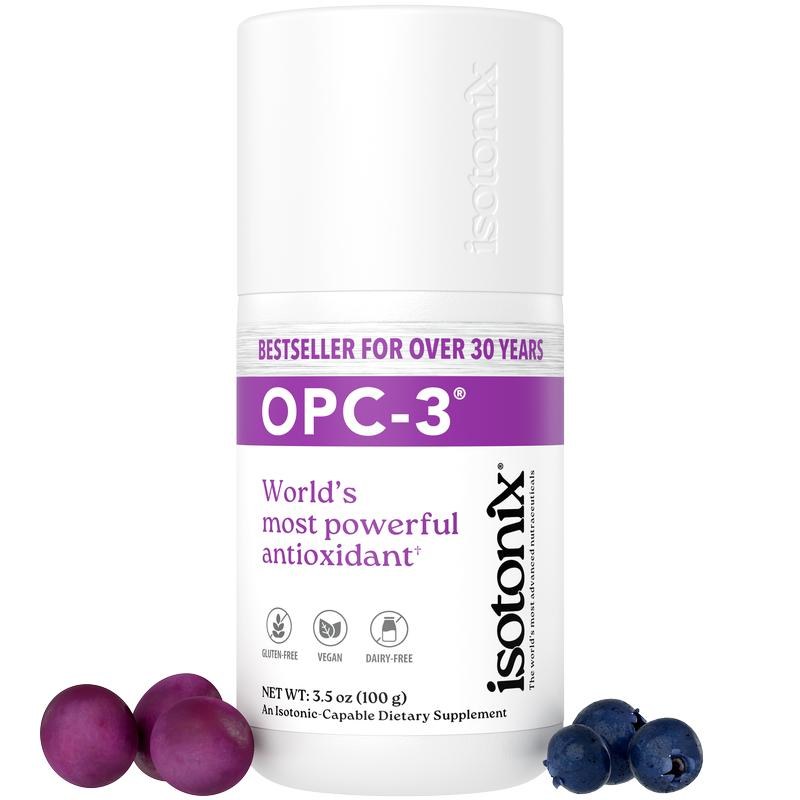 ReviewIsotonix OPC-3 reviewThe flagship antioxidant formula. Four extracts, isotonic form, strong research base.
 -
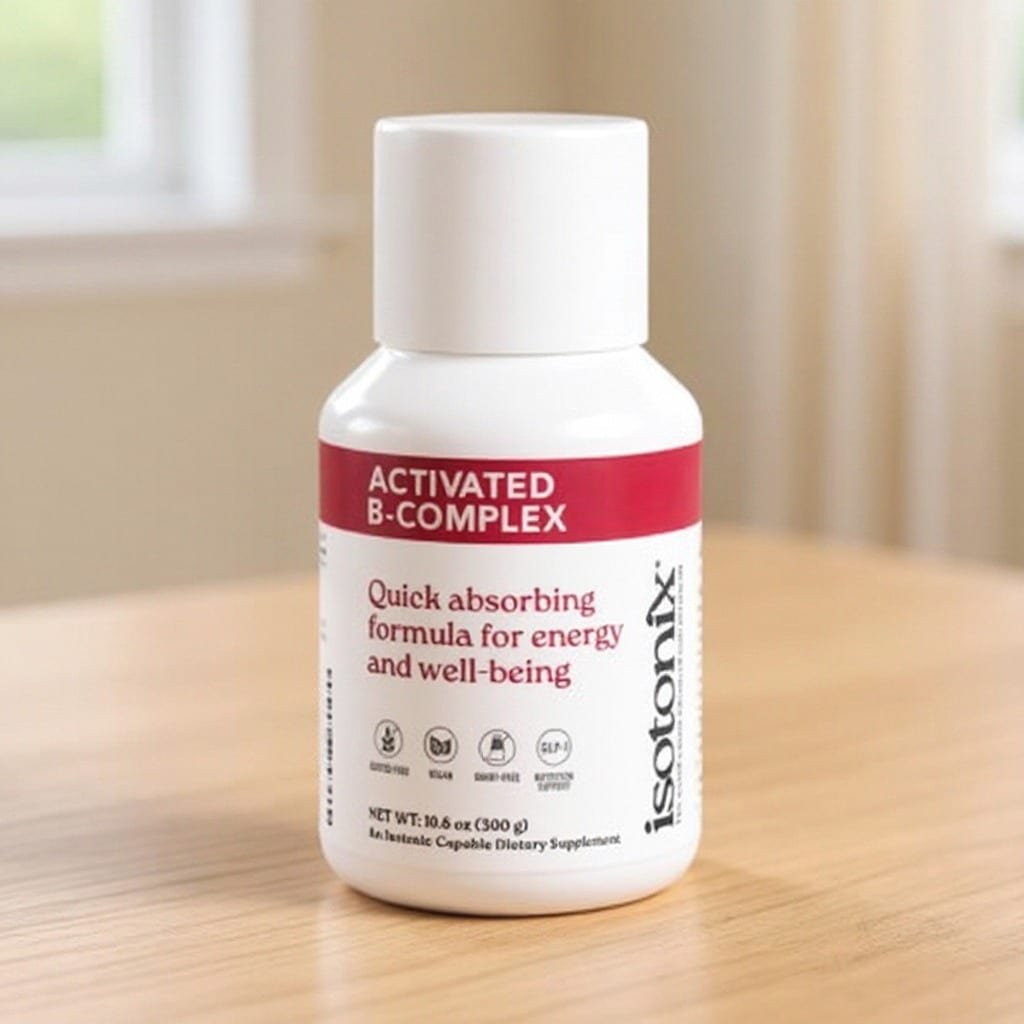 ReviewIsotonix Activated B-Complex reviewAll 8 B vitamins in the forms your body can use immediately, no conversion step required.
 -
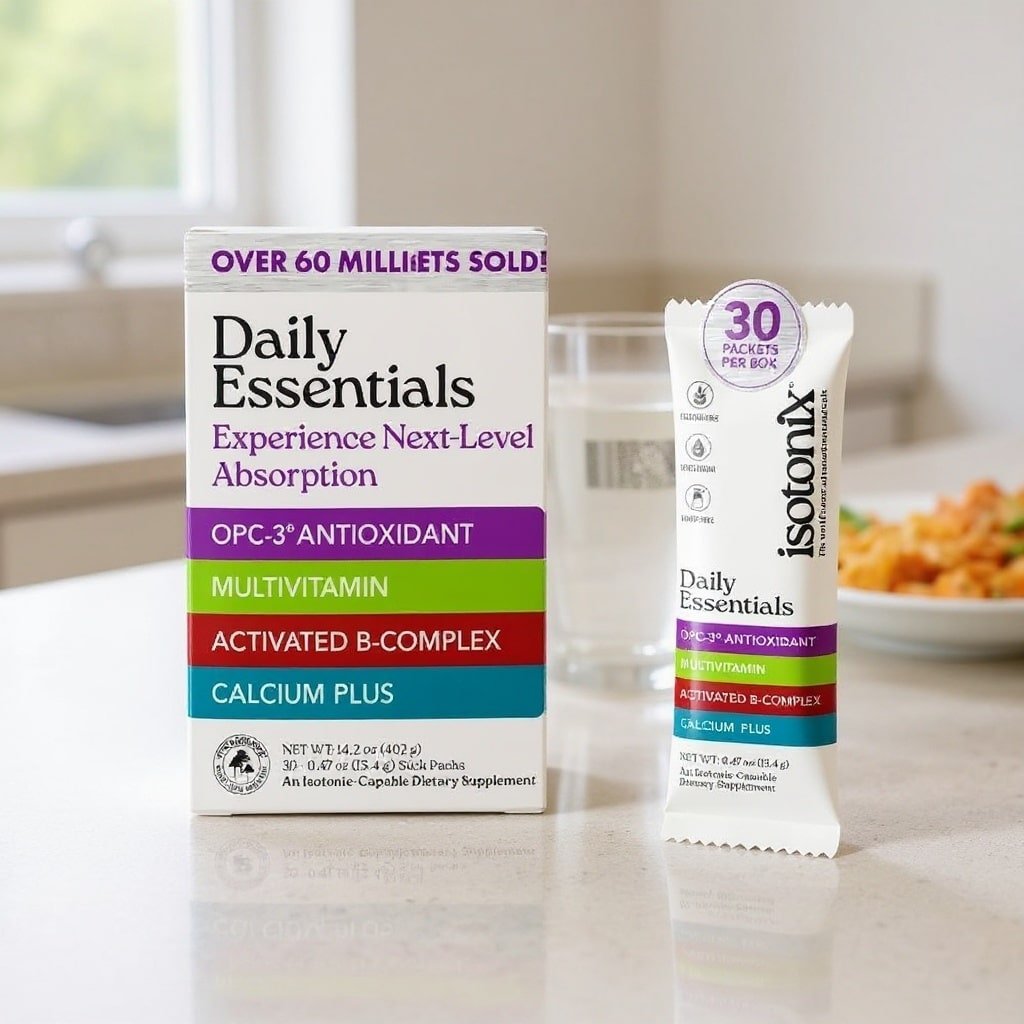 ReviewIsotonix Daily Essentials reviewFour Isotonix products bundled at a 15% discount. Is the stack worth buying together?
 -
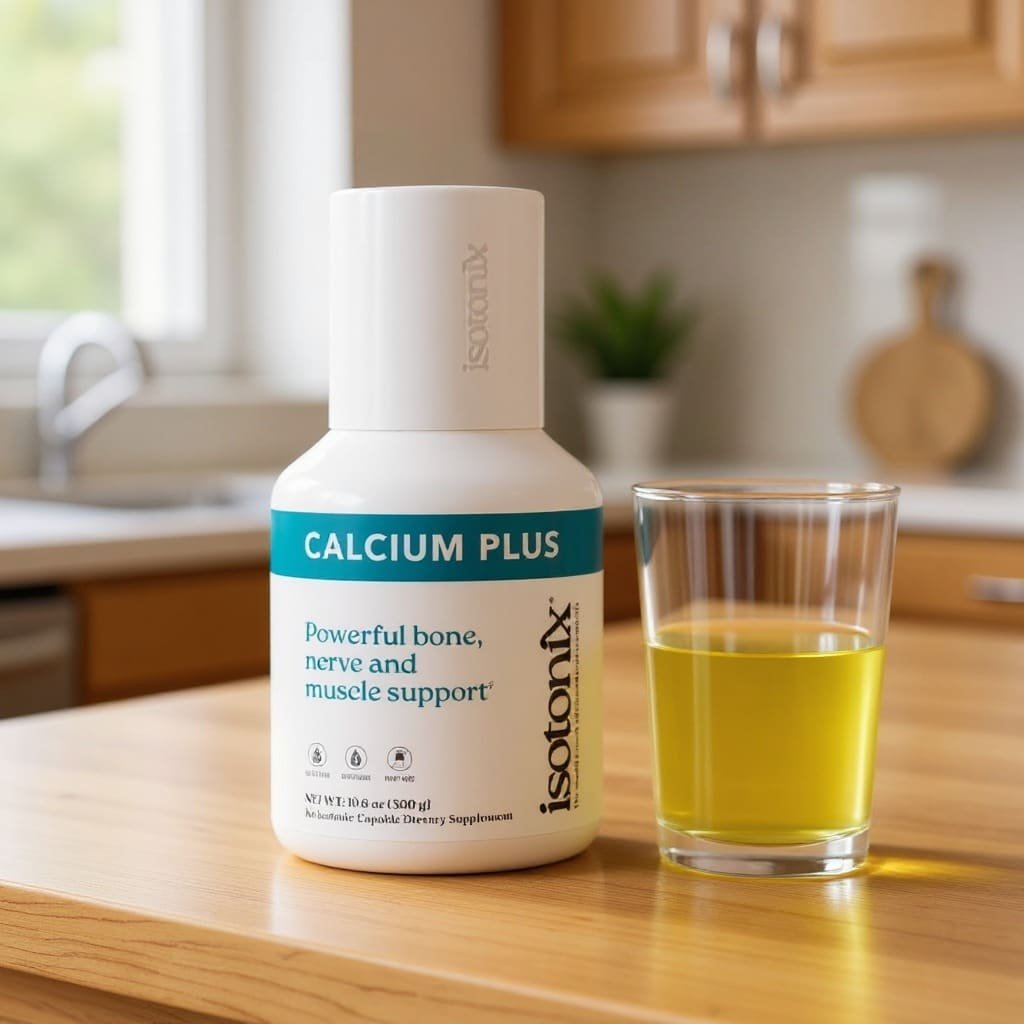 ReviewIsotonix Calcium Plus reviewDoes the isotonic drink format actually absorb better than a calcium tablet?
 -
 ComparisonIsotonix vs capsules: what actually mattersMost capsule buyers absorb less than they paid for. Here’s what isotonic actually changes.
 -
 ExplainerWhat is an isotonic supplement?The osmolarity science behind why isotonic delivery is faster, explained simply.
Sources
- USDA withdrawal of the ORAC database for foods (2012) and the reasoning behind it: Oxygen Radical Absorbance Capacity — background and USDA withdrawal.
- Antioxidants and free radicals overview: NIH Office of Dietary Supplements.
- Polyphenols and antioxidant research: Examine.com.