 Inspire
Isotonix Ultimate Aloe Review
Most aloe vera juice tastes like grass clippings and separates fast. Isotonix Ultimate Aloe uses real leaf juice and pulp, not a diluted extract. Here’s whether that’s worth the extra cost.
our rating
What we liked
- Made from real juice and pulp straight from the aloe leaf, not a diluted extract
- 200x concentrate at 52%, one of the more concentrated aloe products on the market
- 176 real customer reviews averaging 4.5 stars, with specific digestive-comfort feedback
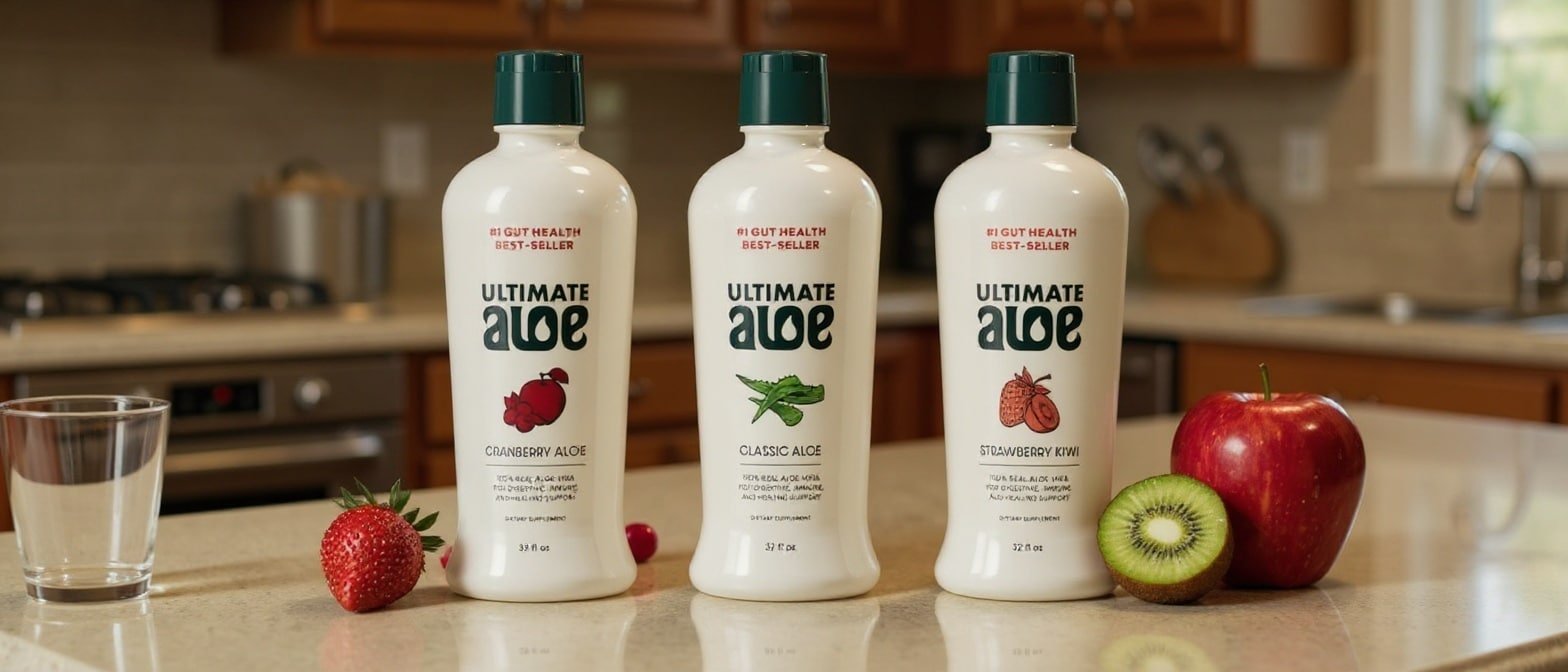
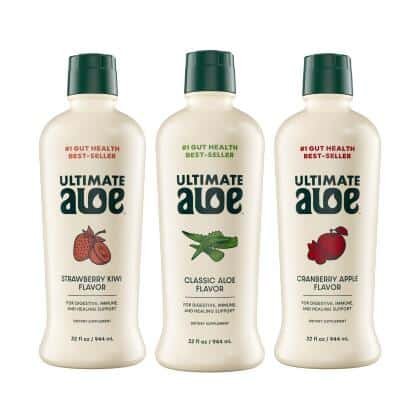
- 3 real flavor options (Classic, Strawberry Kiwi, Cranberry Apple) if plain aloe isn’t for you
What to know
- A recent reformulation added “aloe vinegar” to the ingredient list, and some longtime customers noticed the taste change
- Only works if you keep drinking it daily. It’s not a one-time fix for a bloated week
- Costs more per bottle than a supermarket aloe juice
- Not a substitute for medical care if you have a diagnosed digestive condition
Key takeaways
- Made from real aloe leaf juice and pulp (200x concentrate, 52% aloe barbadensis), not a watered-down extract.
- 4.5 stars across 176 verified customer reviews, mostly citing digestive comfort and less bloating.
- The formula was recently updated to add aloe vinegar. It’s a real change some longtime buyers noticed in the taste, and we think you should know before you order a case of it.
- One bottle covers 16 servings (2 fl oz each) from a 32 fl oz bottle, and it needs to be part of a daily habit to matter.
Who it’s for (and who should skip it)
This Isotonix Ultimate Aloe review breaks down exactly who benefits most, and who can skip it.
Buy it if…
- You deal with regular bloating, sluggish digestion, or general gut discomfort
- You’ve tried a supermarket aloe juice and found it thin, bitter, or not concentrated enough to matter
- You want a plain daily habit rather than a capsule regimen
- You already drink other Isotonix products and want to add gut support to the same routine
Skip it if…
- You have a diagnosed digestive condition. Talk to your doctor before adding any new supplement, aloe included
- You’re on prescription medication or pregnant or breastfeeding. The label specifically flags checking with a healthcare provider first
- You want the absolute cheapest aloe juice on the shelf. A generic bottle costs less per ounce
- You already tried Ultimate Aloe before the recent reformulation and didn’t like the new aloe-vinegar taste
What’s in it: real leaf, not diluted extract
Most aloe juice on a supermarket shelf is mostly water with a small percentage of actual aloe added for the label. Here’s the simple version: a thin aloe juice looks the same as a concentrated one in the bottle. That’s exactly where a lot of people get fooled, because you can’t tell the concentration by looking at it.
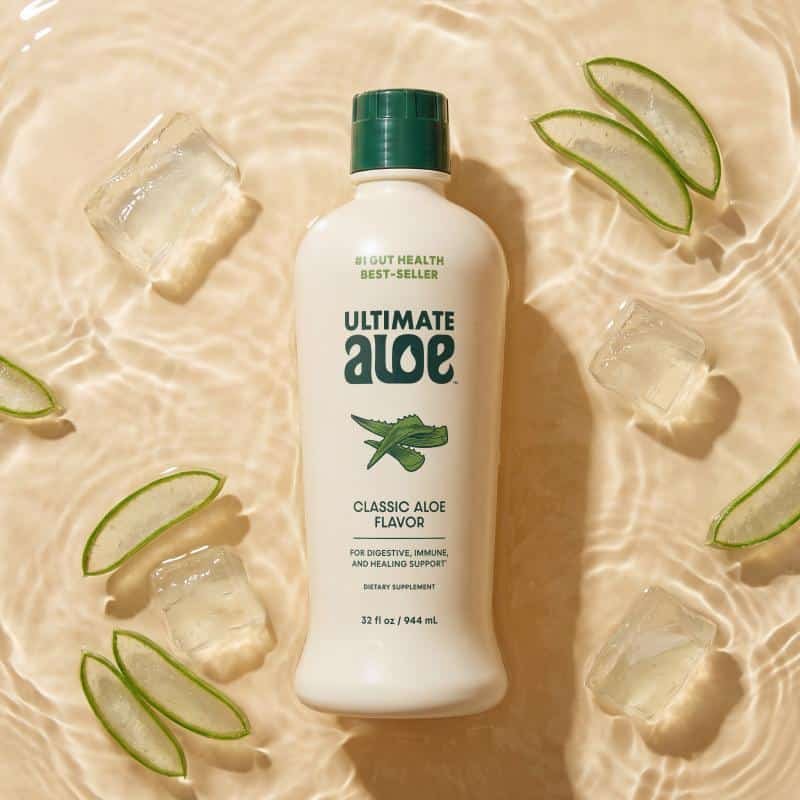
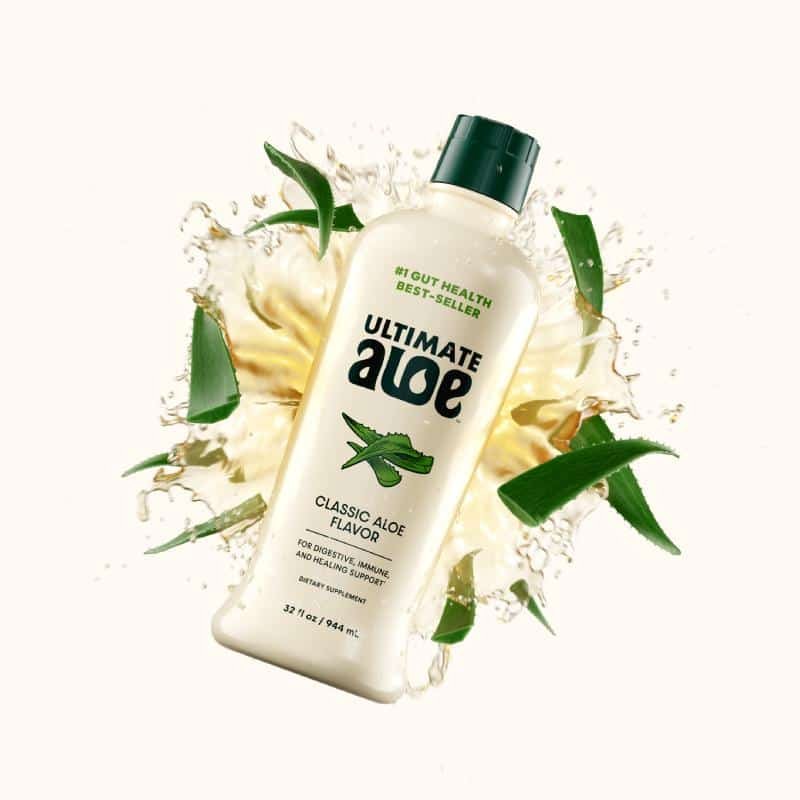
Isotonix Ultimate Aloe uses juice and pulp taken directly from the aloe leaf, and lists it as a 200x concentrate at 52% of the total formula.
How to use it
In practice: the label calls for 2 fl oz (one serving) daily, straight from the bottle or mixed into your favorite beverage. Shake well before use, serve chilled, and refrigerate after opening. A 32 fl oz bottle gives you 16 servings, so a bottle lasts a little over two weeks at one serving a day.
Isotonix Ultimate Aloe vs a standard aloe juice
The real difference between aloe juices on the shelf comes down to two things: how much actual aloe is in the bottle, and how it’s processed. A thin, cheap aloe juice can list “aloe vera juice” first on the label and still be mostly water once you account for dilution before bottling.
| Factor | Standard supermarket aloe juice | Isotonix Ultimate Aloe |
|---|---|---|
| Aloe concentration | Often diluted, concentration rarely disclosed on the label | 200x concentrate, 52% of the formula, disclosed on the Supplement Facts panel |
| Source | Sometimes reconstituted from aloe powder | Juice and pulp taken directly from the aloe leaf |
| Aloin/emodin content | Rarely tested or disclosed | Label states the product is tested exceptionally low in both |
| Flavor options | Usually just plain or one fruit blend | 3 flavors: Classic Aloe, Strawberry Kiwi, Cranberry Apple |
Digestive comfort and what aloe actually does
Aloe vera has a long history of traditional use for digestive support. The inner leaf gel (as opposed to the outer leaf latex, which contains most of the aloin) is the part most associated with gut comfort rather than a harsh laxative effect.
That inner-leaf distinction is exactly what Isotonix highlights on the label: a formula “exceptionally low in emodin and aloin,” the two compounds that give unrefined aloe products their reputation for stomach cramping.
Frequently asked questions
This section contains affiliate links — we may earn a commission at no extra cost to you. See our full evaluation policy at the end of this guide.
How much Isotonix Ultimate Aloe should I drink per day?
Did the recipe really change recently?
Is this safe to take with medication?
Which flavor should I get?
Do I need to refrigerate it?
“Real leaf concentrate at a disclosed 52%, not a vague ‘aloe juice’ label with no way to check what’s actually inside.”
The 200x concentrate and the low aloin/emodin claim are real, checkable specifics most drugstore aloe juices don’t offer. The recent aloe-vinegar reformulation is a genuine downside worth knowing before you buy a case, even though most reviewers say the gut-comfort effect is unchanged.

Related reading
-
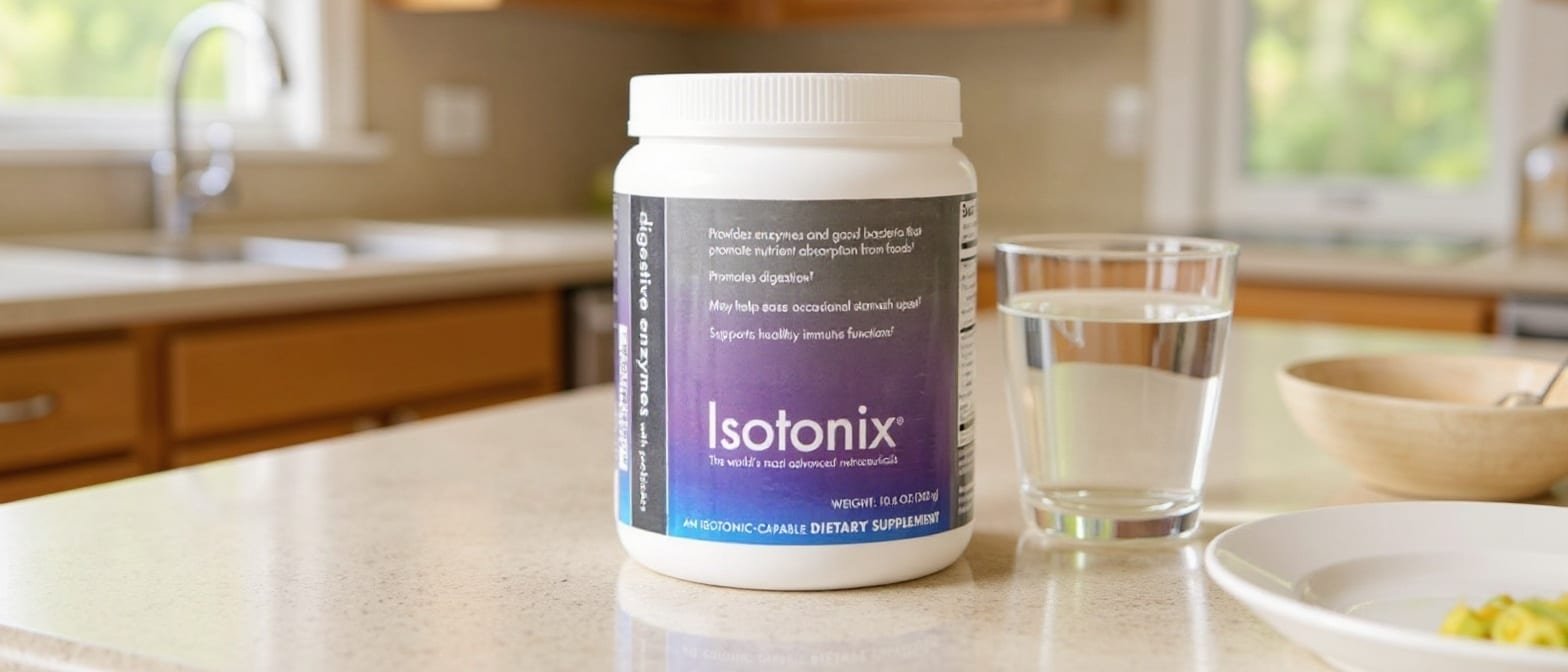 ReviewIsotonix Digestive Enzymes reviewFive enzyme classes in isotonic form, aimed at the same digestive comfort goal from a different angle.
 -
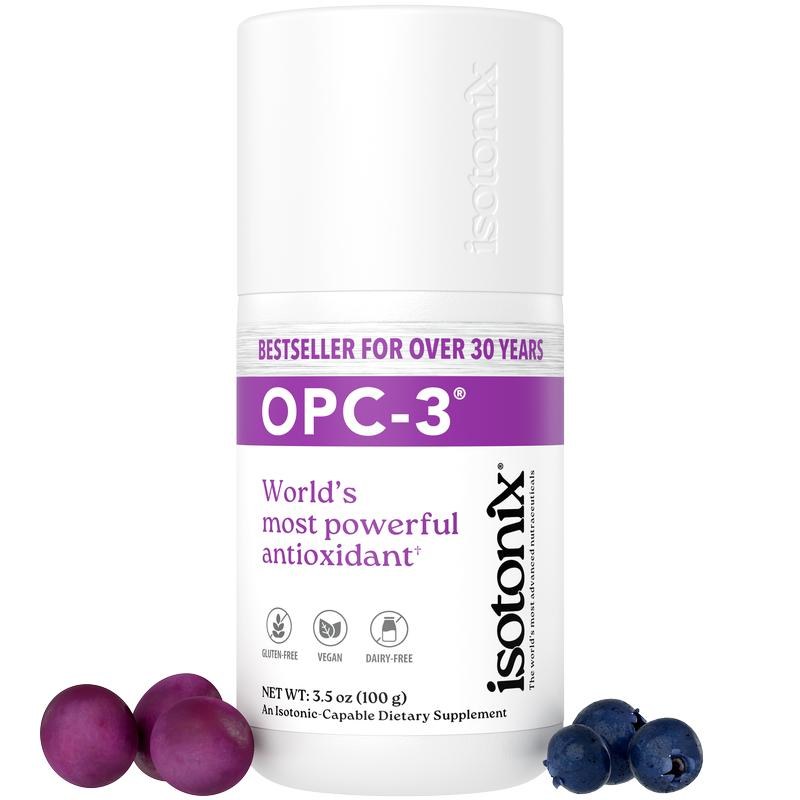 ReviewIsotonix OPC-3 reviewThe flagship antioxidant formula. Four extracts, isotonic form, strong research base.
 -
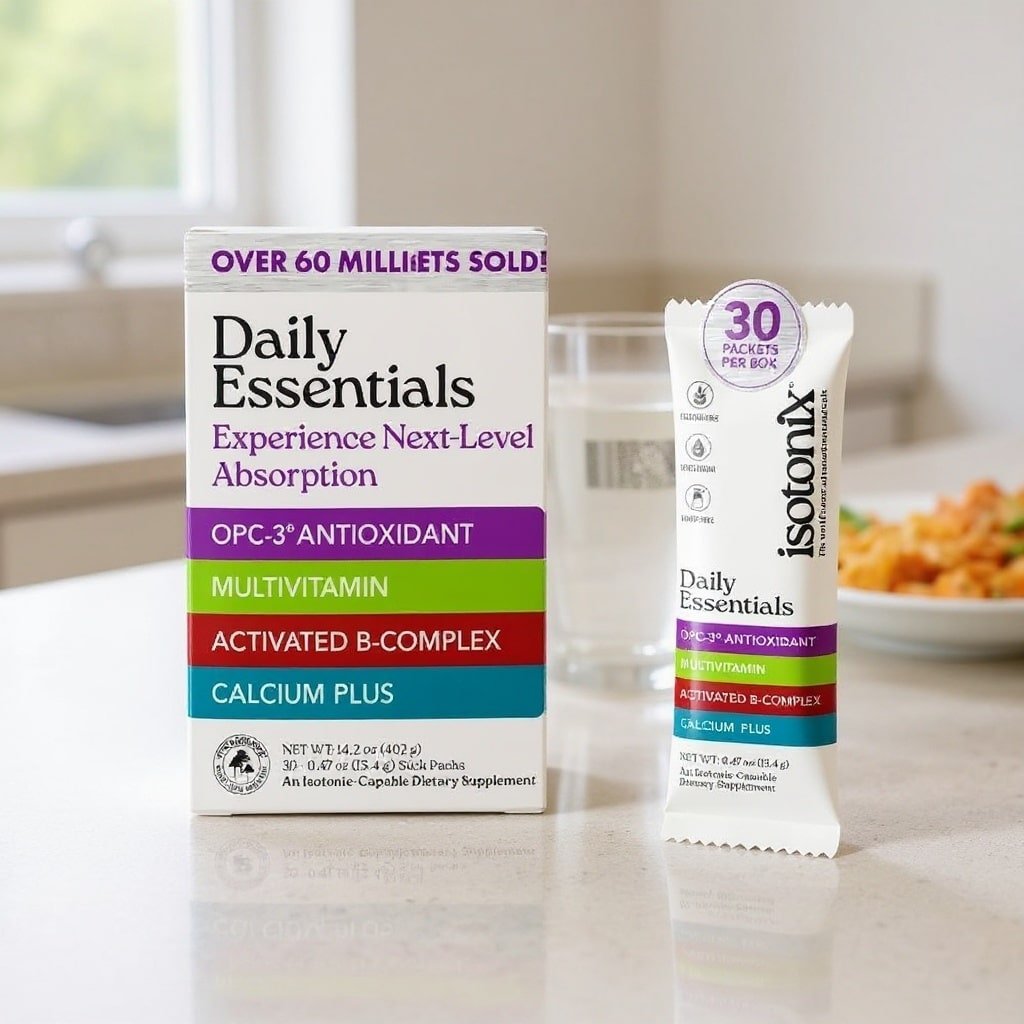 ReviewIsotonix Daily Essentials reviewFour Isotonix products bundled at a 15% discount. Is the stack worth buying together?
 -
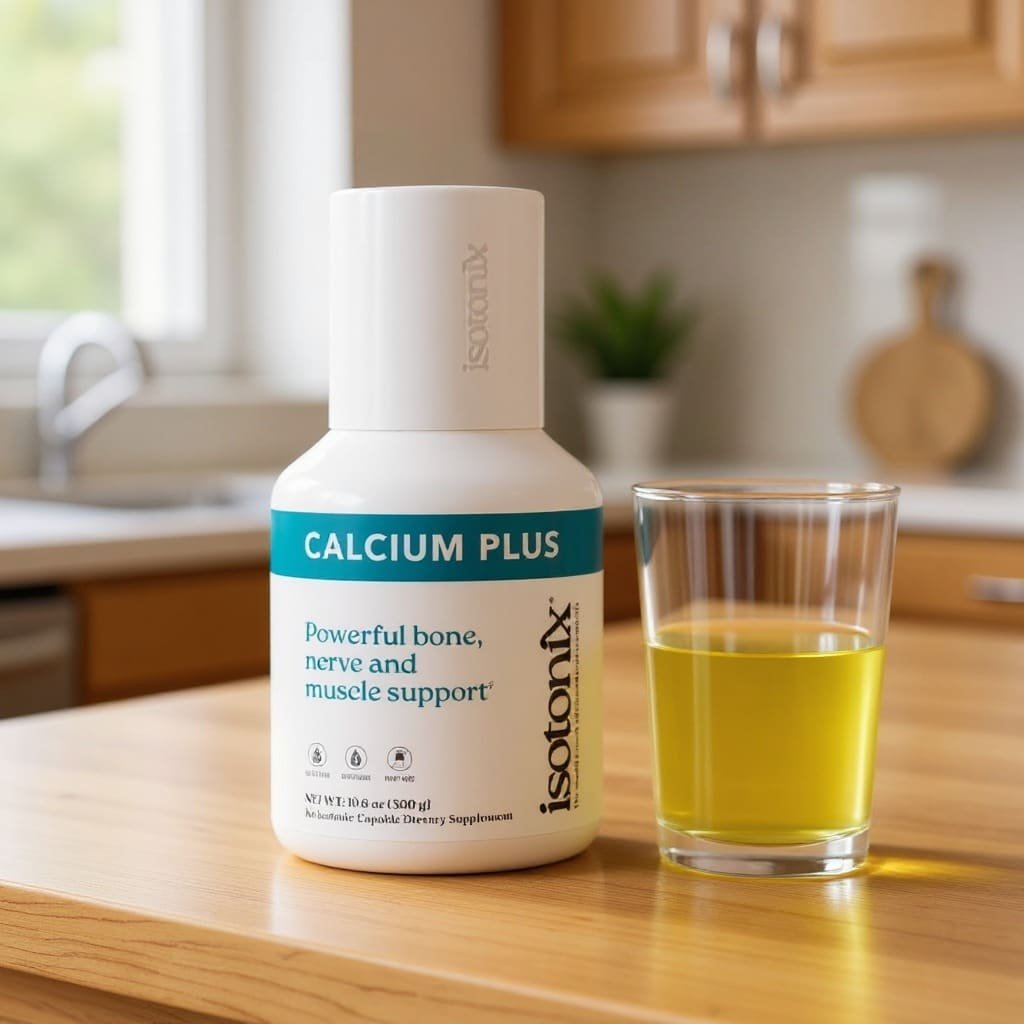 ReviewIsotonix Calcium Plus reviewCalcium, D3, magnesium and vitamin C as a drink instead of a chalky tablet.
 -
 ComparisonIsotonix vs capsules: what actually mattersMost capsule buyers absorb less than they paid for. Here’s what isotonic actually changes.
 -
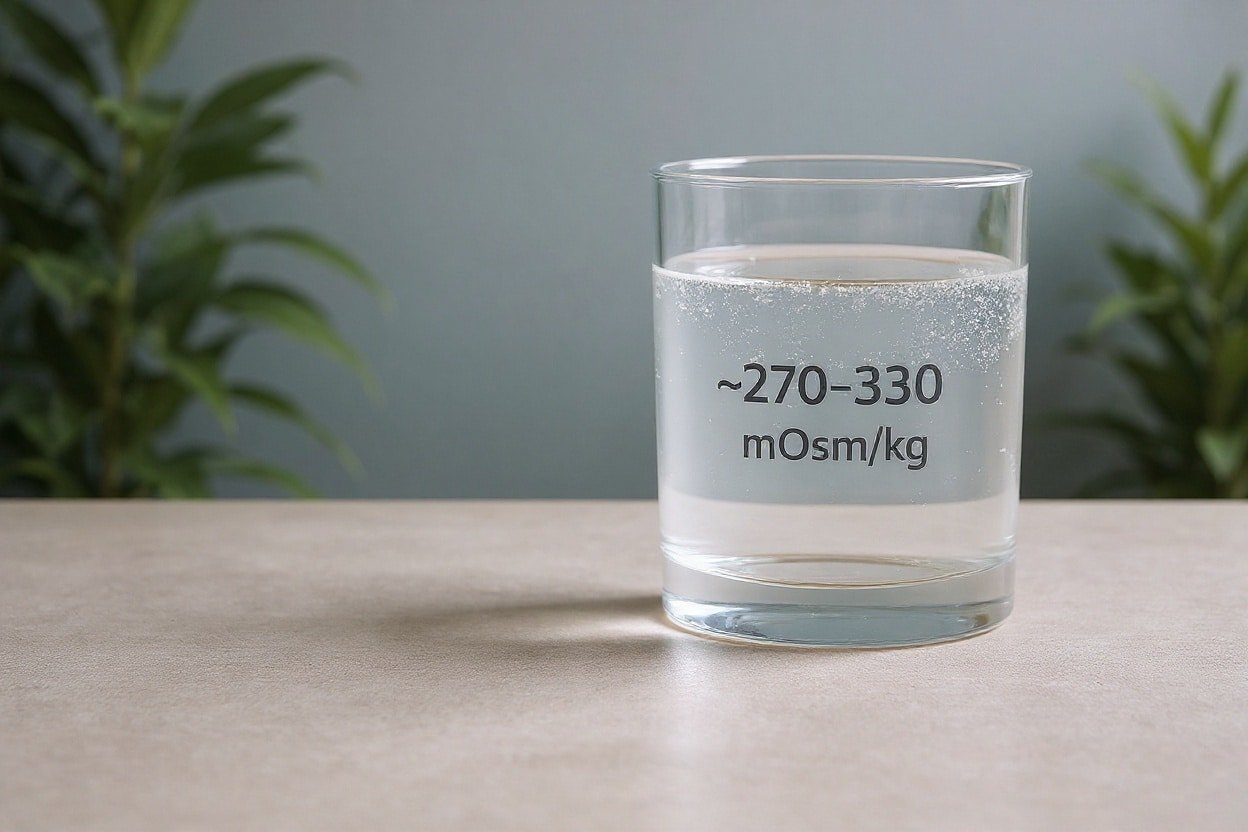 ExplainerWhat is an isotonic supplement?The osmolarity science behind why isotonic delivery is faster, explained simply.
Sources
- Aloe vera overview: NIH National Library of Medicine, Aloe Vera overview.
- Aloe vera safety, aloin and emodin content: NIH National Center for Complementary and Integrative Health on Aloe Vera.
- Product formula, Supplement Facts and customer reviews: Isotonix Ultimate Aloe official product page.