 Inspire
What Is OPC-3? Benefits, Ingredients & Side Effects (2026)
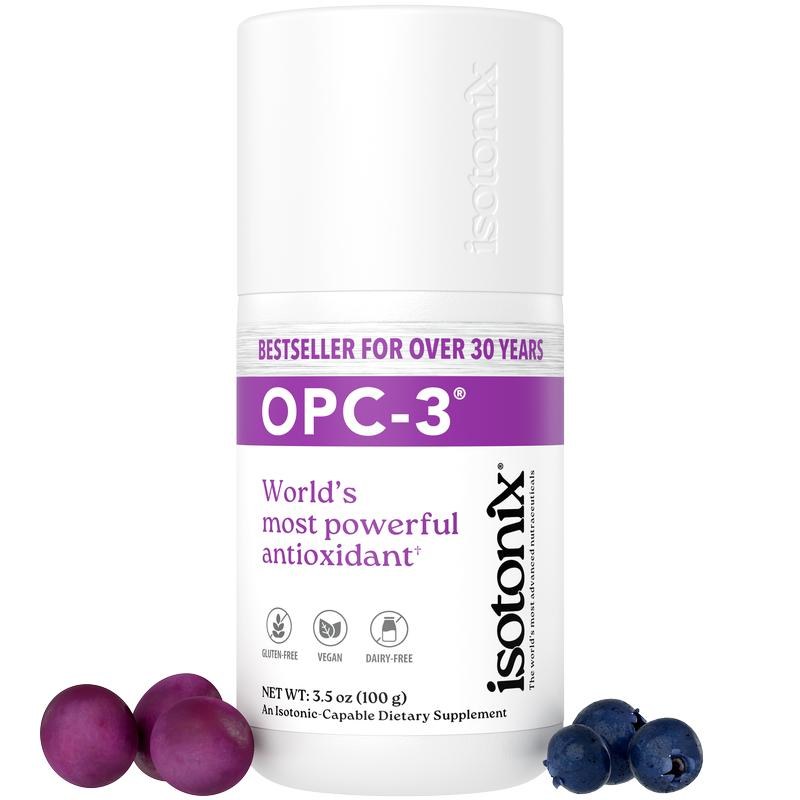
You’ve seen “OPC-3” on the bottle, but what actually is it — and does it do anything? Here’s the plain-English version: what the letters mean, the four extracts inside, what the antioxidants are supposed to do, and the honest side-effect notes before you buy.
Key takeaways
- OPC stands for oligomeric proanthocyanidins — the antioxidant compounds this category is named after.
- OPC-3 combines four antioxidant sources: grape seed, pine bark (Pycnogenol), red wine extract and bilberry, plus vitamin C.
- It’s made to absorb quickly in isotonic form, before stomach acid can break the antioxidants down.
- Most people tolerate it well; check with a pharmacist first if you take blood thinners or blood-pressure medication.
What OPC-3 actually is
This section contains affiliate links — we may earn a commission at no extra cost to you. See our full evaluation policy at the end of this guide.
OPC stands for oligomeric proanthocyanidins — a group of plant antioxidant compounds. Grape seeds and pine bark are famously concentrated sources of them, which is where this category gets its name. Isotonix OPC-3 is an isotonic drink powder built around those compounds rather than a capsule you swallow.
The “3” isn’t a dosage number — it refers to the multi-source blend. Instead of a single-ingredient grape seed extract, OPC-3 layers several antioxidant sources together.
The ingredients: what’s inside
OPC-3 is four antioxidant extracts in one formula, rounded out with vitamin C:
| Ingredient | What it is | Why it’s in the blend |
|---|---|---|
| Grape seed extract | A classic OPC source | The core proanthocyanidin content |
| Pine bark (Pycnogenol) | A patented pine bark extract | A well-studied, branded OPC source |
| Red wine extract | Polyphenols from red wine | Adds a different antioxidant profile |
| Bilberry extract | A berry antioxidant | Broadens the antioxidant mix |
| Vitamin C | Ascorbic acid | Antioxidant support; helps round out the formula |
Price, servings, and how it’s sold
On the official Isotonix store, a single bottle of OPC-3 runs $34.95 to $74.95, depending on whether you choose the 30-serving or the 90-serving size, and there’s a 10% discount if you set it up as a subscription. One serving is a single capful (3.3 g) mixed with 2 fl. oz. (60 mL) of water, taken once a day on an empty stomach.
OPC-3 is a Market America brand. Isotonix.com is operated by Market America, Inc., and checkout ties every order to a “shopping consultant,” which is Market America’s term for an independent distributor. In practice that means OPC-3 isn’t something you’ll find on a pharmacy shelf or a general retailer’s site next to a standalone grape seed extract or Pycnogenol capsule. It’s sold directly through Market America’s own storefront, which is worth knowing before you go looking for it elsewhere.
The benefits — and what the evidence actually supports
Grape seed and pine bark proanthocyanidins are among the better-researched plant antioxidants. Where the honest line matters: antioxidant compounds are studied for general antioxidant and vascular support, and the research base for OPCs is real. But a supplement is not a treatment for any disease, and we won’t claim it is. If you see OPC-3 marketed as a cure for a specific condition, that goes beyond what the evidence supports.
Delivery is what the isotonic format genuinely changes. The drink is designed to pass through the stomach quickly, so the antioxidants reach the small intestine intact instead of being degraded by stomach acid the way some capsule contents can be. That’s the real, defensible mechanism, covered in depth in our isotonic explainer.
Side effects & who should be careful
✓ Generally well tolerated
- Most people take it daily without issue
- Gentle on an empty stomach for most
- No stimulants; it’s an antioxidant drink, not an energy product
✕ Check with a professional first if…
- You take blood thinners — OPCs can have mild effects there
- You take blood-pressure medication
- You are pregnant or nursing — ask your provider
- You have a known allergy to any of the source plants
The most common practical notes are minor: it’s mildly tart, and it won’t fully dissolve, so give it a stir. If you’re on blood thinners or blood-pressure medication, run it past a pharmacist first, since OPCs can have mild effects in those areas.
How to take it
OPC-3 is designed to be mixed with the marked amount of cool water and taken on an empty stomach, typically in the morning. Using the correct water volume matters — it’s calibrated to reach isotonic concentration. For the full routine and common mixing mistakes, see our mixing guide.
Frequently asked questions
What does OPC-3 stand for?
What are the ingredients in OPC-3?
Does OPC-3 have side effects?
When should I take OPC-3?
Is OPC-3 worth it over a cheap grape seed capsule?
“OPC-3 is a real, multi-source antioxidant formula — four extracts plus vitamin C, in a delivery format built to get them absorbed. The honest limits are the same as any antioxidant: it is support, not a treatment.”
The isotonic delivery is the genuine differentiator, and the ingredient list is well-researched. Read the full review for the value verdict; new customers get 15% off a first order with 15OFFMA.

Sources
- Grape seed extract and Pycnogenol research overview: Examine.com.
- Antioxidant and dietary supplement background: NIH Office of Dietary Supplements.
- Product ingredients, pricing, and serving directions: the official Isotonix OPC-3 product page, and our full OPC-3 review.
Related reading
-
ReviewIsotonix OPC-3 reviewOur full hands-on review: value, taste, and whether the premium is worth it.
-
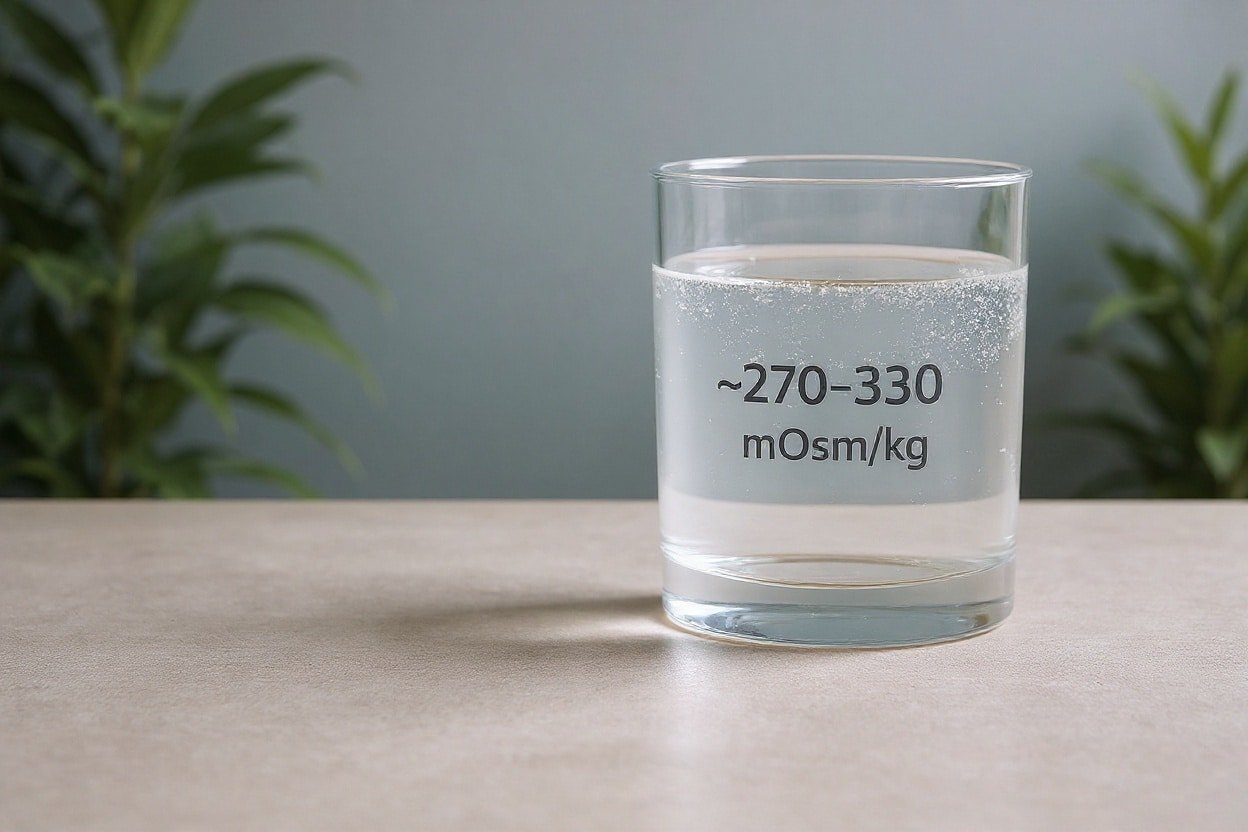 ExplainerWhat is an isotonic supplement?The osmolarity science behind why isotonic delivery is faster, explained simply.
 -
ExplainerIs Isotonix OPC-3 third-party tested?What third-party testing means and what it does for this product.