 Inspire
Isotonix OPC-3 Third Party Tested? The Straight Answer + What to Check
You’re about to buy OPC-3 and one question is nagging at you: is any of this actually verified, or is “tested” just a word on a page? Fair question. Here’s the direct version.
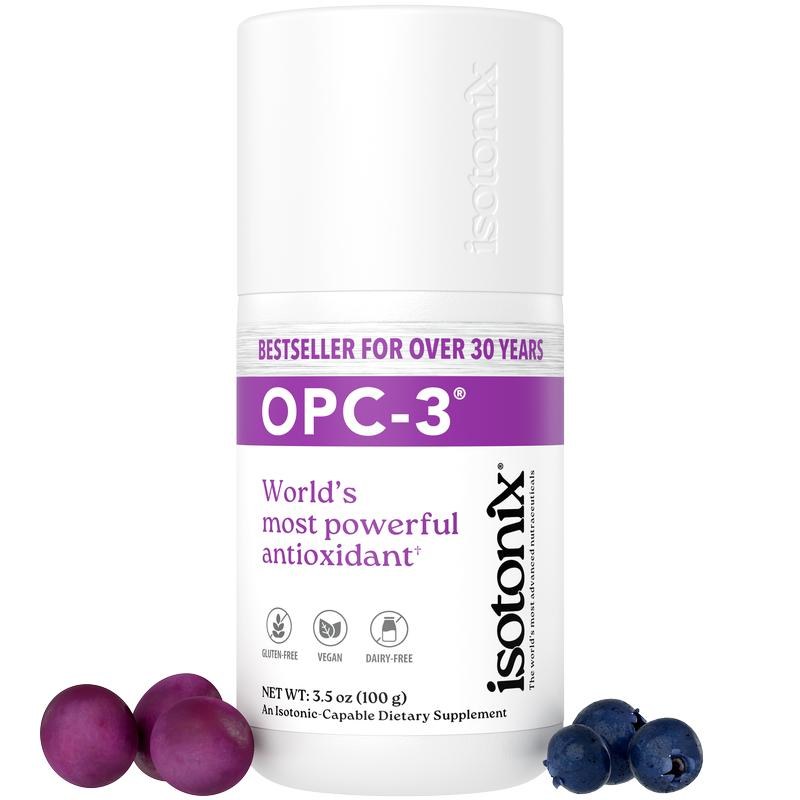
not USP/NSF-certifiedthe straight answer
What we liked
- Drink-mix format means most people actually take it consistently
- Joint comfort is the most commonly reported benefit after 4–8 weeks
- Published clinical data exists on the OPC-3 isotonic formula (PubMed links below)
What to know
- Not the cheapest antioxidant option, but a premium for the isotonic delivery
- Gradual results: expect weeks of consistent use, not days
- Not USP or NSF certified. Verify current documentation at purchase
Key takeaways from this Isotonix OPC-3 testing check
- Isotonix says OPC-3 is made under GMP conditions and tested for purity/potency.
- It is typically not presented as USP Verified or NSF Certified the way some mainstream supplements are.
- “Tested” can mean anything from basic in-house checks to full independent certification — verify the specific documentation for the exact product version you’re buying.
- There is published PubMed research on the OPC-3 isotonic formula specifically, not just antioxidants in general.
Isotonix OPC-3 Third Party Tested: Who it’s for (and who should skip it)
Based on what real buyers keep repeating and what the documentation actually says:
Buy it if…
- Joint comfort and circulation support with daily use is what you’re after
- You’ll actually mix and drink it consistently (the drink-mix format is the reason it works for most people)
- GMP manufacturing plus in-house purity/potency testing is enough verification for you, once you’ve checked the documentation yourself
Skip it if…
- USP Verified or NSF Certified is a non-negotiable requirement for you
- You want the cheapest antioxidant option, full stop
- You won’t mix it daily — capsules may win by default (see the checklist below)
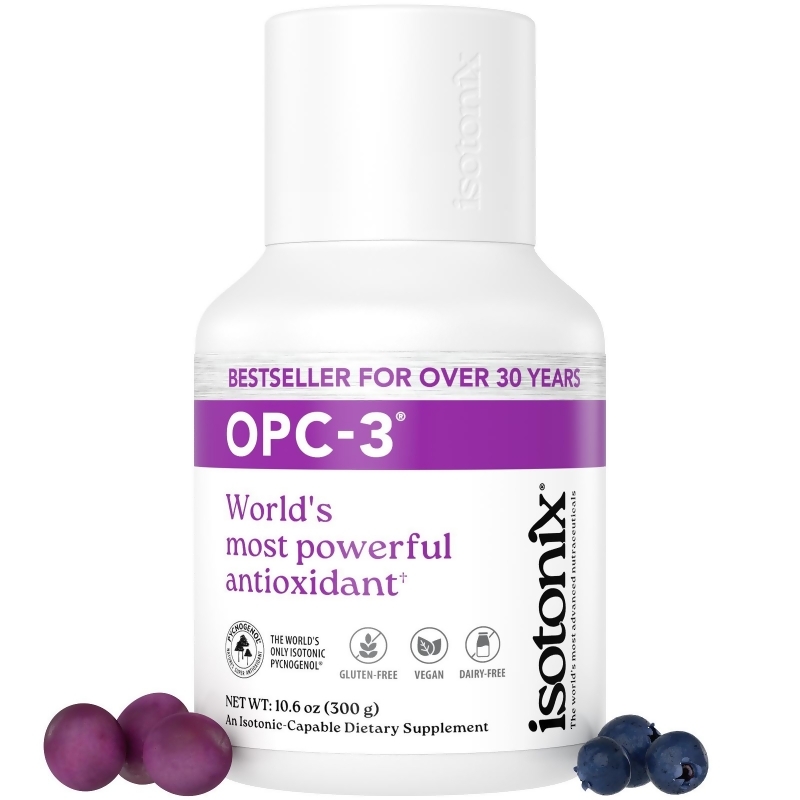
What “third party tested” usually means (and what it does not)
This section contains affiliate links — we may earn a commission at no extra cost to you. See our full evaluation policy at the end of this guide.
When shoppers ask “third party tested,” they usually mean one of these:
- Manufactured under GMP (quality systems + record-keeping)
- In-house or contract lab testing for purity, potency, and contaminants
- Independent certification like USP Verified or NSF Certified for Sport (stricter, and not universal)
So yes—brands can test products and still not have a big certification badge. That’s why the best approach is: verify what testing is claimed for OPC-3 specifically, not just “the brand in general.”
If you want the brand’s own wording, start with their science/FAQ pages:
Isotonix FAQ and
The Science of Isotonix.
Isotonix OPC-3: what it is (in plain English)
Isotonix OPC-3 is a powdered antioxidant drink mix commonly described as a blend of grape seed extract, pine bark extract, and citrus bioflavonoids. Most people try it for 4–8 weeks before deciding whether it’s “noticeable enough” to keep buying. If you’re the kind of person who will forget capsules, the drink-mix format can be the whole reason it works (because you actually use it).
Isotonix OPC-3 safety: what we can say without making medical claims
OPC-3 is built around plant extracts (grape seed, pine bark, bioflavonoids). Those ingredients have been studied in different contexts, but “studied” doesn’t mean “guaranteed results.” It means there’s a body of research you can review.
For a neutral safety overview, NCCIH’s page on grape seed extract is a good non-sales reference:
NCCIH: Grape Seed Extract.
If you take blood thinners, have medical conditions, are pregnant, or you’re stacking multiple supplements, talk to a clinician who knows your file. Not dramatic. Just smart.
What research exists on OPC-3 specifically (not just “antioxidants”)
If you want something concrete, here’s a PubMed listing for a randomized controlled trial that studied an OPC-3 isotonic bioflavonoid formula over 2 months in adults with metabolic syndrome risk factors. It reports changes in oxidative stress markers and several cardiovascular-related measures. Read it like an adult: sample size isn’t huge and it’s not a promise—but it is published research you can actually click.
PubMed: OPC-3 trial (PMID 18628275)
There’s also a PubMed listing discussing faster bioavailability for flavonoids delivered in an isotonic formulation compared with tablets. Again: useful data point, not a miracle sticker.
PubMed: isotonic vs tablet bioavailability (PMID 19172583)
What real buyers keep repeating (expectations vs reality)
When you look at repeat themes (not cherry-picking one “life-changing” comment), you’ll usually see:
- Joint comfort and stiffness (especially people who say “I notice it when I stop”)
- Steadier day-to-day energy (usually “feel better,” not “wired”)
- Circulation support (some buyers choose it for that reason specifically)
- Complaints are often logistics: price, missing scoop, damaged bottle, clumping powder
The “clumping” and “damaged bottle” complaints aren’t sexy, but they matter. Powder products can be sensitive to storage and shipping. If it arrives cracked or the powder is a brick, don’t force it. Inspect first, then decide.
Reddit: the skeptical questions are actually useful
Reddit isn’t a lab, but it is great for seeing what people are suspicious about. With OPC-3, the recurring themes are usually:
- “Why can’t I find clean research fast?”
- “Is this just an antioxidant blend with a fancy name?”
- “Is the business model affecting how people talk about it?”
Our take: skepticism is healthy. It forces you to verify. And it keeps you from buying something just because someone’s cousin swears it fixed their everything.
Threads referenced for “what people ask”:
The 5-minute verification checklist (BOFU)
| # | Step | Why it matters |
|---|---|---|
| 1 | Start at the official page | Screenshot the label details you’re relying on (ingredients, servings, directions) — if it changes later, you have your reference point |
| 2 | Look for lot number + expiry | Check the actual product when it arrives, not just the listing |
| 3 | Check what “tested” means | In the brand’s own wording — are they claiming purity/potency testing? Any published standards or certificate language? |
| 4 | Compare claims to published research | Use the PubMed links above — don’t rely on “study says” without the actual study |
| 5 | Decide based on fit | If you won’t mix it daily, capsules might win by default — consistency beats intention |
- Start at the official page and screenshot the label details you’re relying on (ingredients, servings, directions). If it changes later, you have your reference point.
- Look for lot number + expiry on the actual product when it arrives.
- Check what “tested” means in the brand’s wording. Are they claiming purity/potency testing? Any published standards? Any certificate language?
- Compare claims to published research (PubMed links above). Don’t rely on “study says” without the study.
- Decide based on fit: if you won’t mix it daily, capsules might win by default. Consistency beats intention.
Bottom line
If you want the cleanest answer to “Isotonix OPC-3 third party tested,” it’s this: Isotonix states it follows GMP and tests products, but USP/NSF-type certification is not a blanket guarantee across everything. So verify OPC-3 specifically using the checklist above and the official documentation you can actually see.
If you’ve done that and you’re ready to buy, our full Isotonix OPC-3 review covers the formula, dosing, and side-by-side comparison against a basic capsule, plus a 15% first-order code (15OFFMA) on the official store.
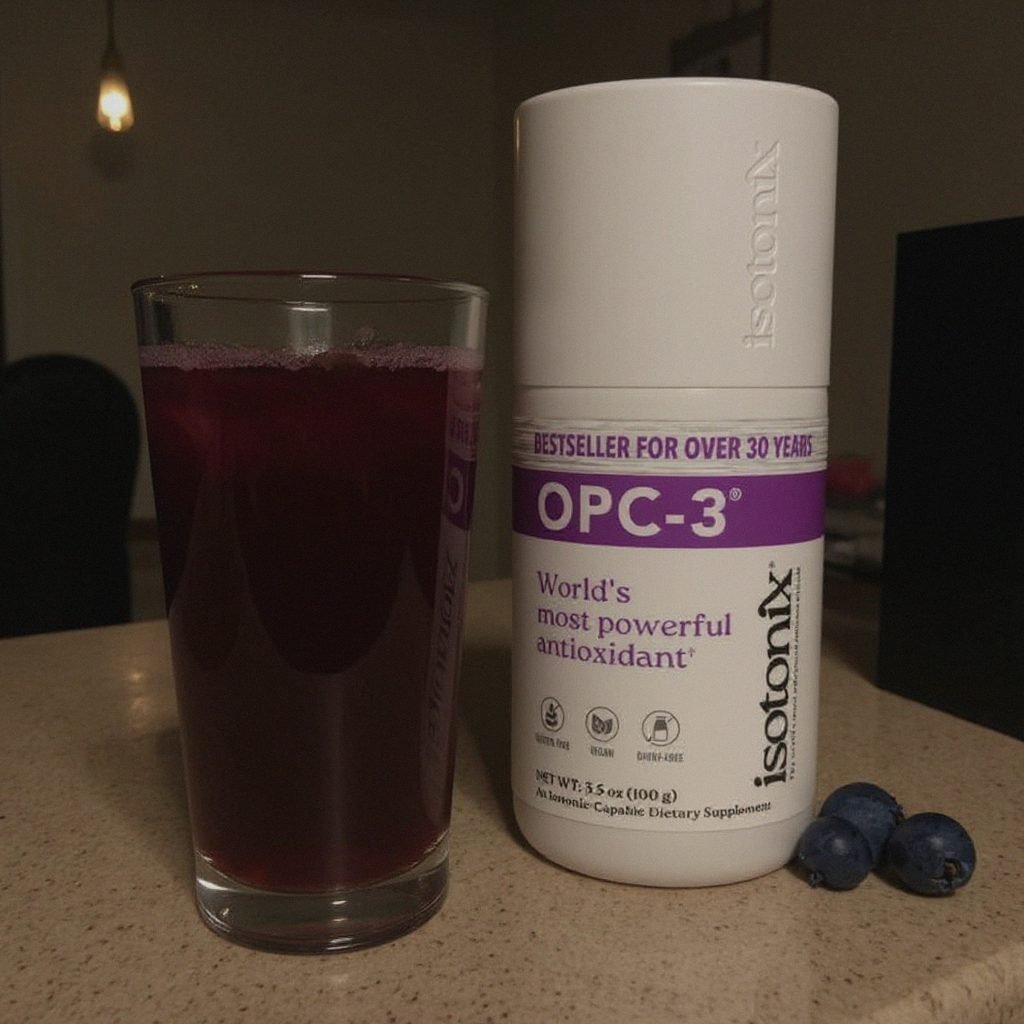
Frequently Asked Questions
Is Isotonix OPC-3 third party tested?
Isotonix states it follows GMP standards and tests for purity and potency. However, OPC-3 is not universally presented as USP Verified or NSF Certified. The safest move is to verify documentation for the specific batch and listing you are buying.
Is there published research on OPC-3 specifically?
Yes. There are published studies on an OPC-3 isotonic bioflavonoid formulation, including a randomized controlled trial listed on PubMed. Sample sizes are modest, but the research is publicly accessible.
How long does OPC-3 usually take to notice results?
Most repeat buyers report evaluating it after 4 to 8 weeks of consistent use. Effects, if noticed, are usually described as gradual rather than immediate.
Is OPC-3 safe to take daily?
The formula contains grape seed extract, pine bark extract, and citrus bioflavonoids. If you take blood thinners, have medical conditions, or are pregnant, consult a healthcare professional before daily use.
Why do some people question the product?
Common concerns revolve around pricing, marketing model, and how easy it is to find independent research quickly. That skepticism is healthy. Always verify claims directly through official documentation and published sources.
“Isotonix states it follows GMP and tests products, but USP/NSF-type certification is not a blanket guarantee across everything.”
Verify OPC-3 specifically using the 5-minute checklist above and the official documentation you can actually see — don’t rely on “the brand in general.”

Related reading
-
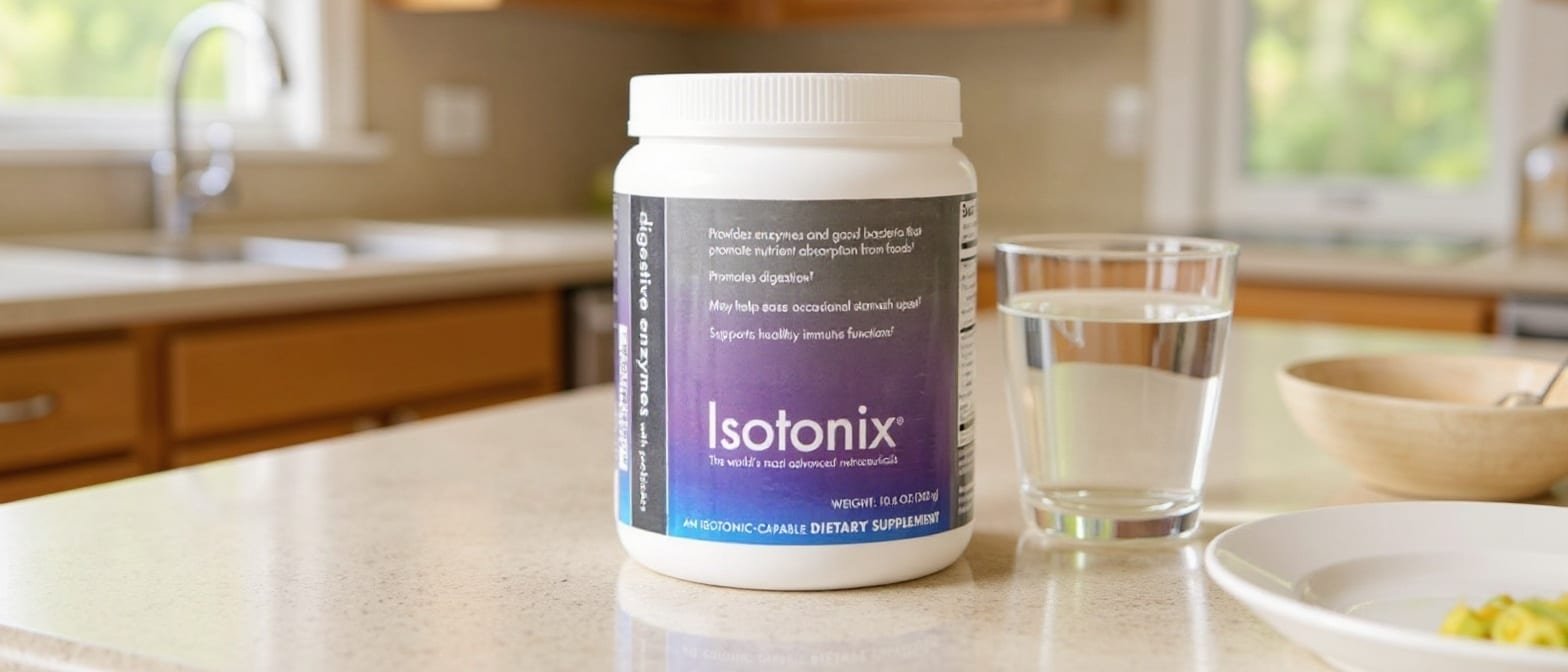 ReviewIsotonix Digestive Enzymes reviewFive enzyme classes in isotonic form.
 -
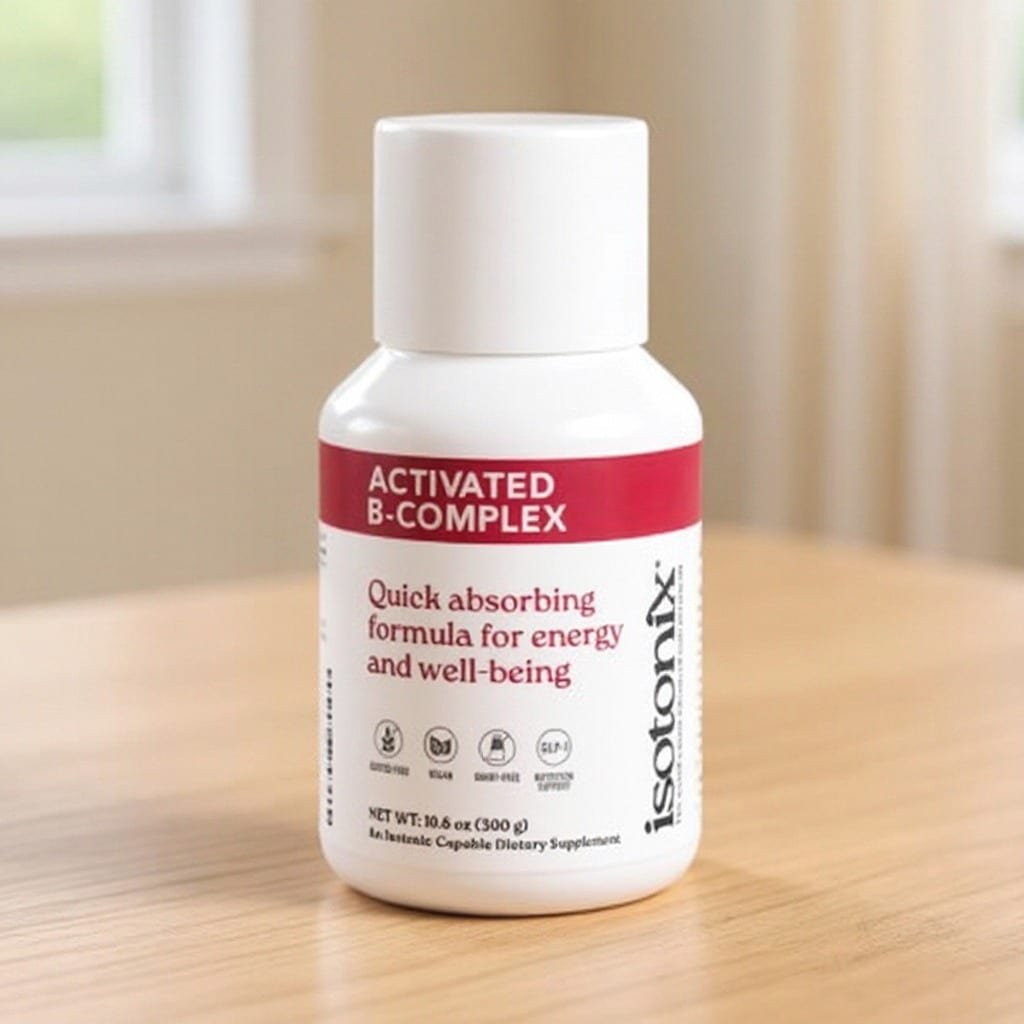 ReviewIsotonix Activated B-Complex reviewEight B vitamins in methylated forms.
 -
ReviewIsotonix OPC-3 reviewThe full formula, dosing, and comparison review.
-
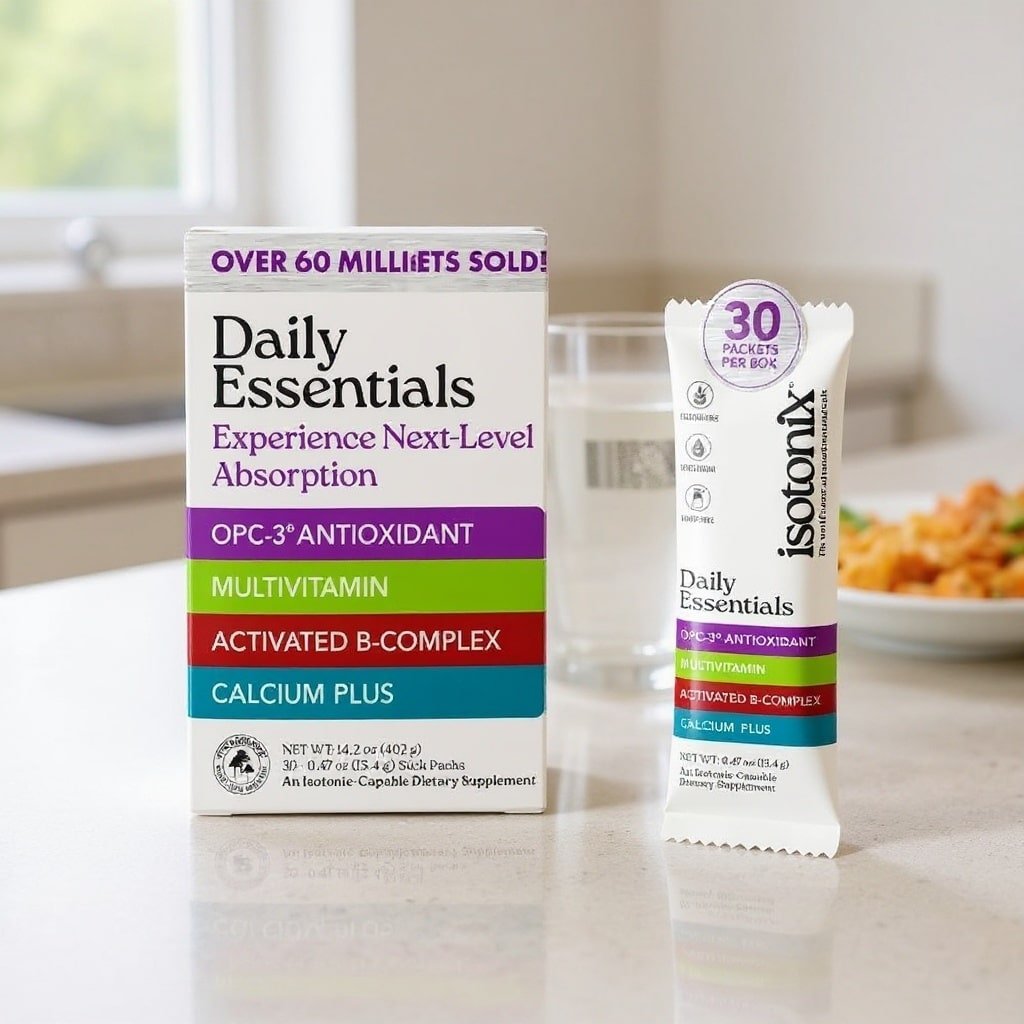 ReviewIsotonix Daily Essentials reviewFour Isotonix products bundled together.
 -
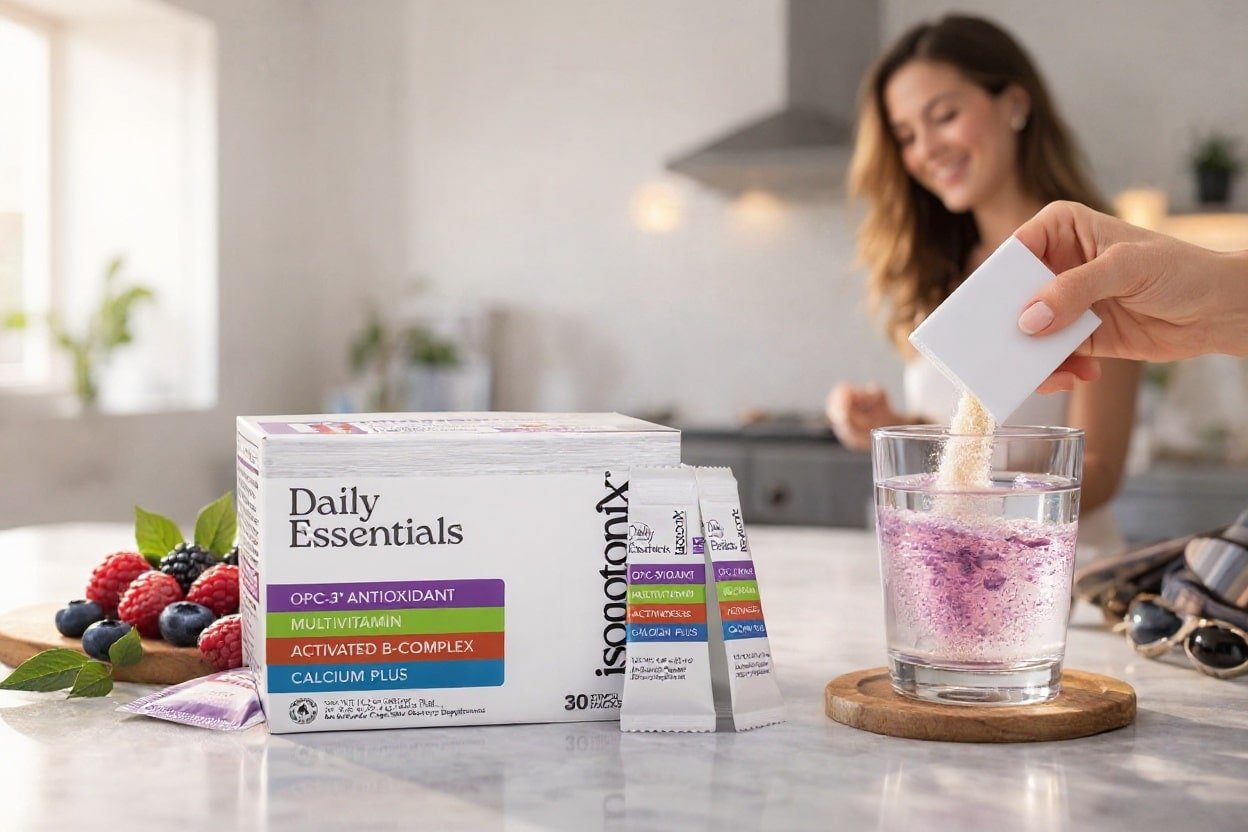 ReviewIsotonix Daily Essentials Packets reviewSame formula as the bottles, single-serve.
 -
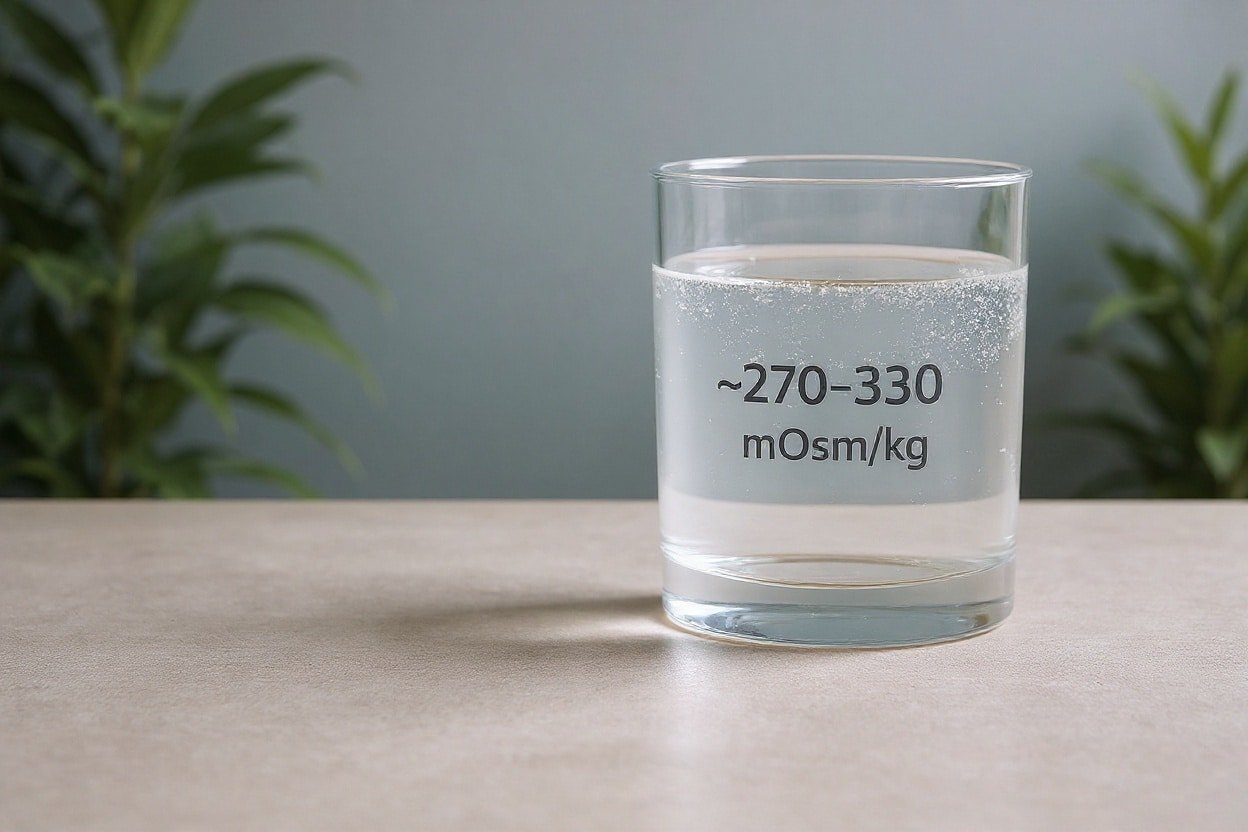 ExplainerWhat is an isotonic supplement?The osmolarity science, explained simply.
 -
 ComparisonIsotonix vs capsules: what actually mattersWhat isotonic delivery actually changes.
 -
 GuideIsotonix mixing mistakes to avoidCommon errors that waste a serving.
Sources and links used
- Circulation and cardiovascular risk factor study on OPC-3: PubMed (PMID 18628275).
- Antioxidant bioavailability of isotonic vs. tablet delivery: PubMed (PMID 19172583).
- Grape seed extract (OPC) safety and evidence: NCCIH.