 Inspire
Can You Use Too Much Mycorrhizae? What Overapplying Really Does
Overapplying rarely kills plants. It usually kills your budget and your expectations.
Updated June 2026 · 6 min read · ✓ Fact-checked
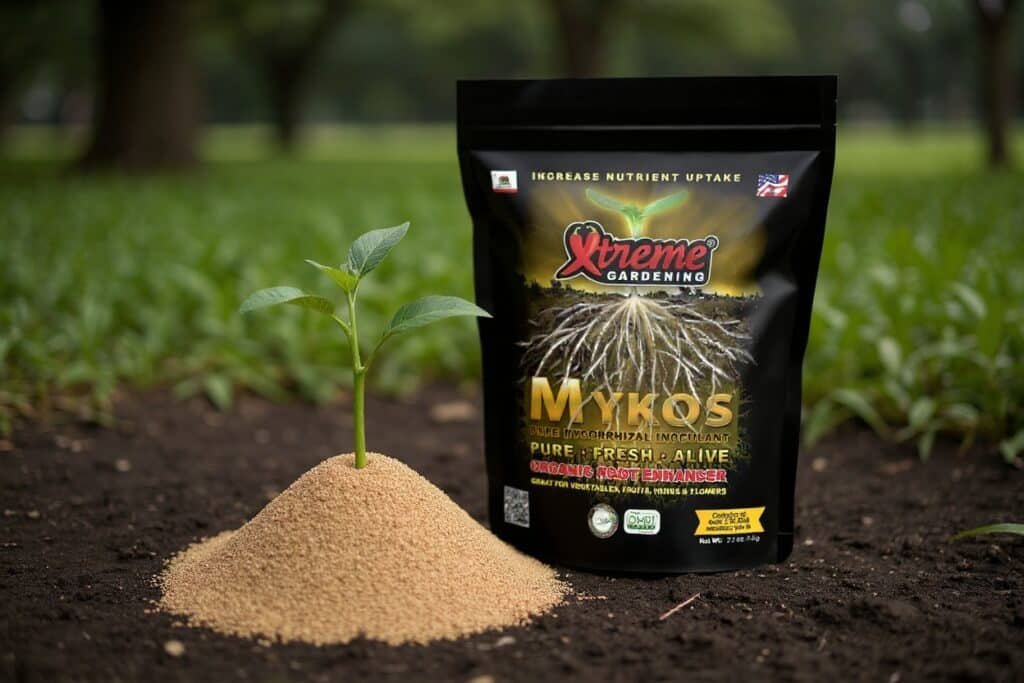
Can you use too much mycorrhizae? Yes. In most container and soil transplants, “too much” usually shows up as wasted product (because only what touches roots can colonize), not as a fertilizer-style burn. The safest rule for 2026 is simple: use a light dusting on the root ball or a small pinch in the transplant hole, then stop. If you’re dumping it like a soil amendment, you are paying extra for grit.
We wrote this because we kept seeing the same pattern in hobby groups: someone uses half a bag, sees no magic in 48 hours, then decides mycorrhizae is “hype.” Most of the time it isn’t the product. It is the placement and expectations.
Key takeaways
- “Too much” almost always means wasted product, not plant damage. This isn’t a fertilizer-burn risk.
- Measuring it like a fertilizer, tablespoons per gallon mixed through the whole pot, is the single most common overapply habit.
- MYKOS is the more forgiving product if you tend to overdo it. DYNOMYCO’s higher concentration makes overuse feel more expensive.
- If you already overapplied, don’t add more to fix it. The move is better placement next time, not more product now.
Our picks
Fast decision table
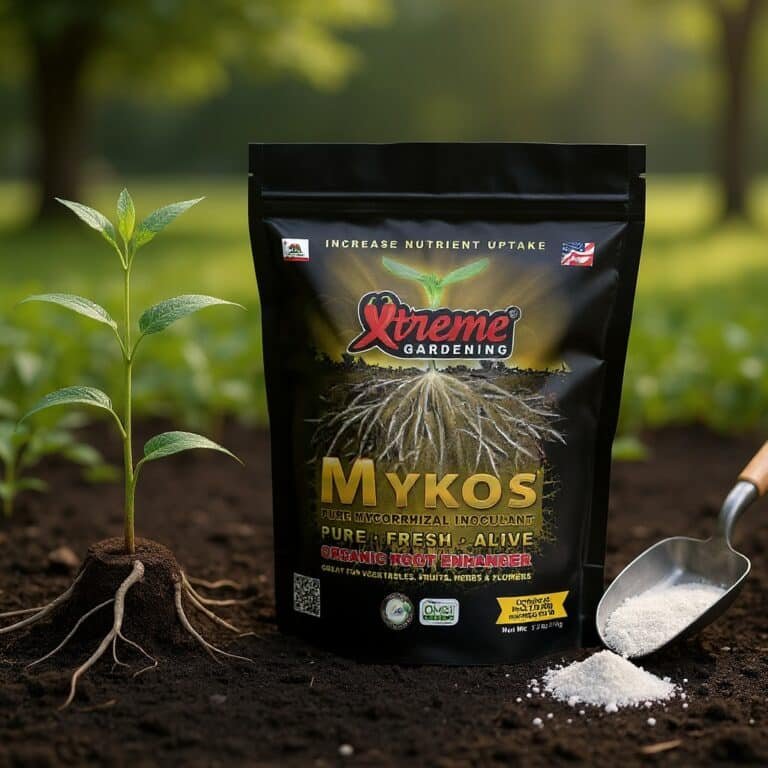
| Best fit | MYKOS: repeatable routine | DYNOMYCO: precision routine | MYKE: transplant-focused mainstream option |
|---|---|---|---|
| Overapply risk | Medium (people get generous) | High (bag disappears fast) | Medium (easy to overuse if you sprinkle) |
| What “too much” looks like | Product is spread through the pot instead of placed on roots at transplant. | ||
| Our simple fix | Dust root ball, pinch in hole, then stop. |
Quick answer: what “too much mycorrhizae” actually means
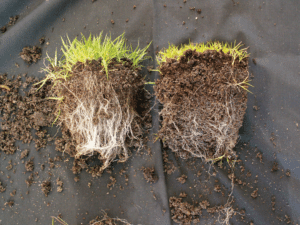
For most soil and container transplants, “too much” means you used so much that most of it never touched roots. That extra doesn’t magically colonize the whole pot. It just sits there.
Mycorrhizae is a root contact tool. If you want the science overview, this page is a clean starting point:
Mycorrhiza basics.
7 costly overuse signs we see (and how to spot them fast)
1You are treating it like fertilizer
If you are measuring “tablespoons per gallon of soil” and mixing it through the whole pot, that’s usually an overapply. It isn’t a compost. It is an inoculant.
2The bag is disappearing way too fast
This is the biggest tell. When a bag that should last a season is gone after a weekend, it almost always means the product is being scattered instead of placed.
3You are chasing instant results
We get it. Transplant day is emotional. But if you expect a “wow” in 24 to 48 hours, you will keep adding more. That is how overapplication starts.
4Thick layers in the transplant hole
A thick layer can actually make placement worse because roots only touch the outside edge. We would rather do a light coat on the root ball than build a pile at the bottom.
5You are top-dressing after the plant is already set
This isn’t always “harmful,” but it’s a classic waste move. If it doesn’t reach roots, it’s just expensive dust sitting in the pot.
6In hydro or recirculating setups, you are using the wrong form
If you run DWC or RDWC, adding granular products into places they don’t belong can create annoying cleanup. That is less about “too much” and more about “wrong product for the system.”
7You are stacking products to compensate for weak fundamentals
We see this with tomatoes a lot. If watering swings and the medium keeps going bone dry, adding more inoculant won’t fix that. Stability wins.
How we apply it (so we do not overapply)
- Root ball dusting: we lightly coat the outside of the root ball so granules stick.
- Pinch in the hole: a small amount where roots will sit, not a thick bed.
- Water in normally: consistent moisture helps. No flooding, no drought right after transplant.
If you want the longer brand comparison, this pillar is the hub:
MYKOS vs DYNOMYCO.
Which product is more forgiving if you tend to overdo it?
Conditional verdict, the way we actually think about it:
- If you are newer or you want the easiest habit: MYKOS is usually the safer “default” because it’s simple to place.
- If you are a measuring person and you transplant a lot: DYNOMYCO can feel stronger, but it also punishes sloppy placement because you burn through it faster.
- If you want a mainstream transplant-focused option: MYKE is a solid premium addition to this cluster.
If you already overapplied, here is what we would do
- Do not panic add more. Your best move is to go back to consistent watering and good transplant care.
- Stop top-dressing. Save the product for the next transplant moment when you can guarantee contact.
- Write down what you used. This sounds silly, but it prevents the “I have no idea how much I used last time” cycle.
Frequently asked questions
Can you use too much mycorrhizae and hurt a plant?
Rarely, and not the way a fertilizer burns a plant. The one real exception is heavy phosphorus fertilizer, covered below: it doesn’t harm the plant either, but it can quietly slow colonization even when you placed the inoculant correctly.
What is the biggest reason people overapply?
They sprinkle it through the pot to feel safe. Mycorrhizae is not a blanket coverage product. It works best when it touches roots during transplant.
Should I reapply every watering if I think I used too little?
Usually no. We treat this as a transplant tool. Save it for the next pot-up or transplant when you can guarantee contact again.
Does high-phosphorus fertilizer cancel out mycorrhizae?
This is the one case where too much is a chemistry problem, not a placement problem. Soluble phosphorus does not kill the fungi, but a high dose tells the plant it does not need the fungal partner as much, so colonization slows down even when you place the inoculant correctly. MycoApply’s manufacturer FAQ confirms that high phosphorus levels “do not harm or kill mycorrhizae, but they can slow the colonization process,” and recommends keeping phosphorus at a low to moderate level while you inoculate. If you are also feeding a high-phosphorus bloom fertilizer, space that application out instead of putting it down on the same day as the inoculant.
The Bottom Line
Yes, but too much usually shows up as wasted product, not chemical burn, since only what touches roots can colonize. The safest rule: a light dusting on the root ball or a small pinch in the transplant hole, then stop. If you are dumping it like a soil amendment, you are paying extra for grit.
Related reading
-
 Plant Care & GardeningGaia Green 4-4-4 vs 2-8-4: Which Fertilizer Should You Use First?Gaia Green 4-4-4 vs 2-8-4: which organic fertilizer is right for your garden? The key difference is phosphorus, and when you switch matters more than most guides admit.
 -
 Plant Care & GardeningMosquito Dunks for Standing Water: 6 Pack vs 20 Pack (What We’d Buy)Mosquito Dunks for standing water: 6-pack vs 20-pack compared — which size to buy, how many you need per season, and how to apply them without wasting product.
 -
 CanadaBest Mosquito Control for Standing Water in Canada (Homeowner Guide)Best mosquito control for standing water in Canada: 5 tested options ranked by effectiveness, safety near wildlife, and value. Includes biocontrol and chemical picks.