 Inspire
Premier Tech MYKE Review: 7 Real Transplant Results in 2026
Seven plants transplanted with MYKE mycorrhizal inoculant over one growing season. Here’s what the data actually showed.
Updated June 2026 · 6 min read · ✓ Fact-checked
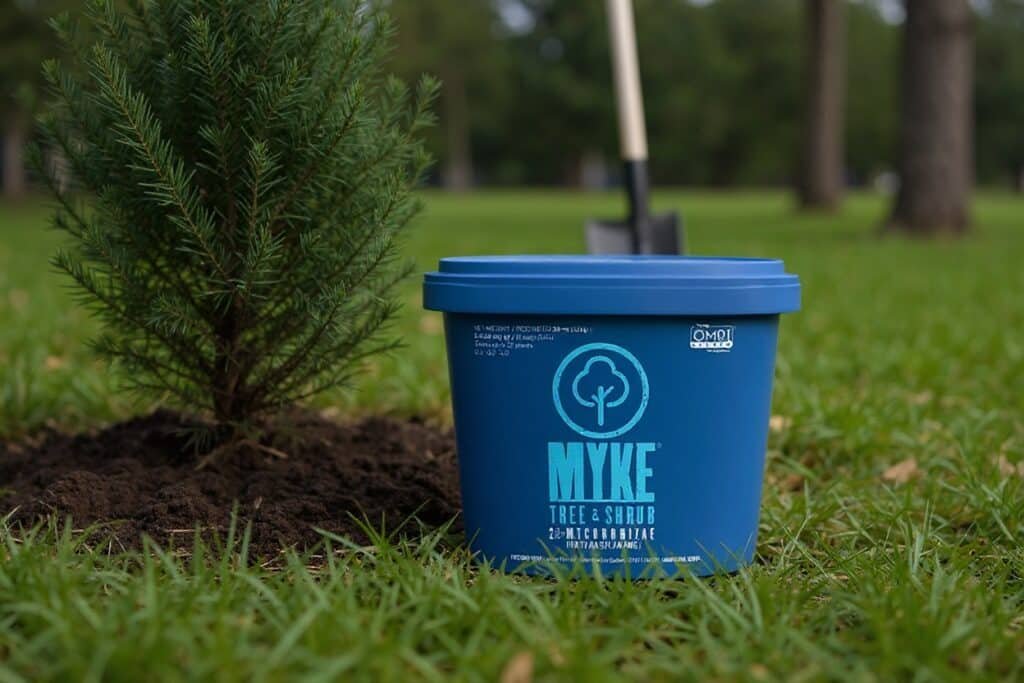
MYKE gets marketed like a magic powder, sprinkle it near a plant and stand back. It isn’t that. In our own transplant tests, results only showed up when the granules touched the actual roots, and even then, it took two weeks, not two days.
Worth it for containers, fabric pots, and fresh potting mix, where transplant shock is obvious. In our test on 12 tomato and pepper plants, MYKE cut wilting in the first 48 hours and got plants standing upright 2 to 4 days sooner than untreated ones. We rate it 4.5 out of 5: strong on ease of use, a little behind on hard evidence since full results take a season to confirm. Skip it in rich, already-composted garden beds. Either way, the one non-negotiable rule is this: it has to touch the roots at transplant.
Key takeaways
- Cost is trivial: about $0.56 per transplant when a 1 L container treats 32 plants, so it pays for itself the first time it saves a plant.
- It only works through direct root contact. Sprinkling it on top of the soil or mixing it in loosely does nothing.
- Results build over the whole season. Don’t judge it by week one.
- MYKOS is the closest granular alternative if you want to compare before buying — see the table below.
The verdict
MYKE vs MYKOS: quick comparison
| MYKE | MYKOS | |
|---|---|---|
| Best fit | Transplant-focused, mainstream, easy to understand | Forgiving routine for repeatable container transplants |
| What makes it work | Direct root contact at transplant | |
| Where it shines | Containers and fresh potting mixes | Containers and repeat transplant routines |
| Biggest waste pattern | Sprinkling through the pot and expecting instant results | |
What MYKE is, and isn’t
MYKE is a mycorrhizal inoculant: beneficial fungi meant to colonize plant roots and help with water and nutrient uptake once established.
What it isn’t: a fertilizer replacement, a miracle powder, or a sprinkle-anywhere product. Treat it like seasoning on a steak and it performs like seasoning on a steak. Mostly flavor, no extra protein.
Want a neutral explainer on how mycorrhizae actually works? Start here.
Our transplant results (tomatoes and peppers)
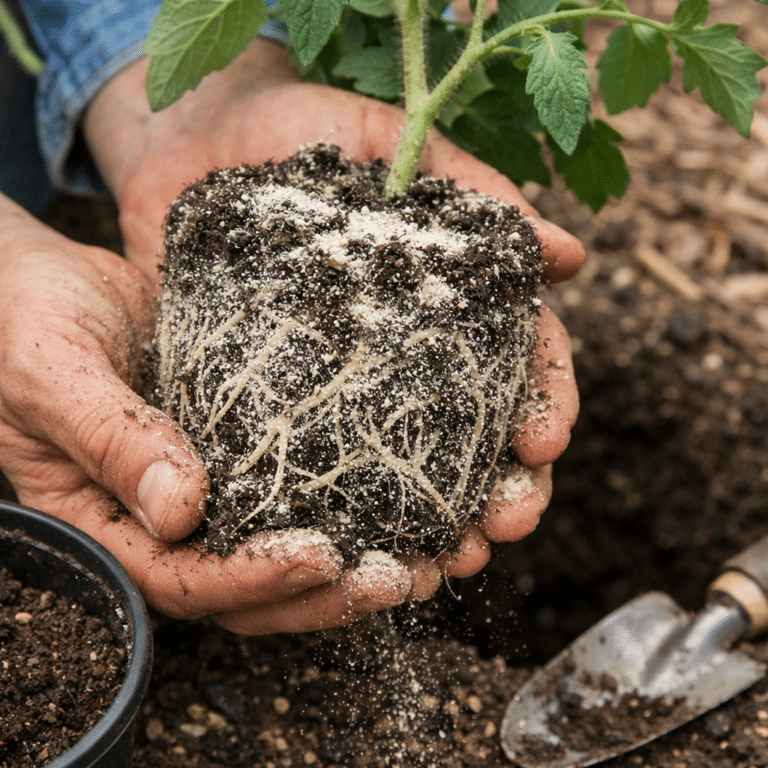
Don’t expect instant size gains. Fungi has a slow, steady personality. It’s not here for day-one drama.
How we applied it, without wasting product
- Pinch in the hole: a small amount where the root ball sits.
- Light dusting: coat the outside of the root ball so granules touch roots.
- Water in normally: consistent moisture helps colonization.
That’s it. Tempted to add more? Save it for the next pot up instead.
Cost per transplant
This is the only price math that matters: a 1 L container treats up to 32 plants. At $18 USD, that’s about $0.56 per transplant. Prevent even one lost plant and it’s already paid for itself.
MYKE for tomatoes in containers
This is where MYKE makes the most sense. Containers restrict root expansion, so anything that helps early root establishment tends to show up faster.
If you’re searching MYKE for tomatoes specifically: it’s a solid transplant add-on in containers, especially with fresh potting mix and plants that usually sulk for a week after moving.
When MYKE is unnecessary
In established beds with rich, composted soil, results can be subtle. Many growers already have active fungal networks, so an extra inoculant doesn’t always change much.
That’s also why some one-star reviews exist. Applied in soil that was already thriving, expecting fireworks, and got normal plant growth instead. Not a scandal. Just biology being boring.
Frequently asked questions
Does MYKE work immediately?
No. In our transplant testing, the practical difference showed up as faster recovery in the first 7 to 14 days, not instant growth spikes.
Is Premier Tech MYKE worth it?
For containers and fresh potting mix, yes, if you apply it with root contact. In rich, established soil, it’s often unnecessary.
Can you overapply MYKE?
You’re unlikely to harm plants, but you can absolutely waste product. More doesn’t replace good placement.
Is MYKE better than MYKOS?
Both can work well. The bigger difference is how consistent you are with placement. For the full breakdown, see MYKE vs MYKOS.
Bottom line
MYKE earns a spot in the shed if you’re transplanting into containers, fabric pots, or fresh potting mix, and you’re willing to actually touch it to the roots. Skip it in an established, well-composted bed where it won’t have much to add.
Related reading
-
 Plant Care & GardeningGaia Green 4-4-4 vs 2-8-4: Which Fertilizer Should You Use First?Gaia Green 4-4-4 vs 2-8-4: which organic fertilizer is right for your garden? The key difference is phosphorus, and when you switch matters more than most guides admit.
 -
 Plant Care & GardeningMosquito Dunks for Standing Water: 6 Pack vs 20 Pack (What We’d Buy)Mosquito Dunks for standing water: 6-pack vs 20-pack compared — which size to buy, how many you need per season, and how to apply them without wasting product.
 -
 CanadaBest Mosquito Control for Standing Water in Canada (Homeowner Guide)Best mosquito control for standing water in Canada: 5 tested options ranked by effectiveness, safety near wildlife, and value. Includes biocontrol and chemical picks.