 Inspire
Best Shower Filter 2026 (What’s Actually Tested)
4 shower filters compared on what’s independently verified versus what’s just claimed, including one finding that changed our own top pick.
July 13, 2026 · 11 min read · Contains affiliate links
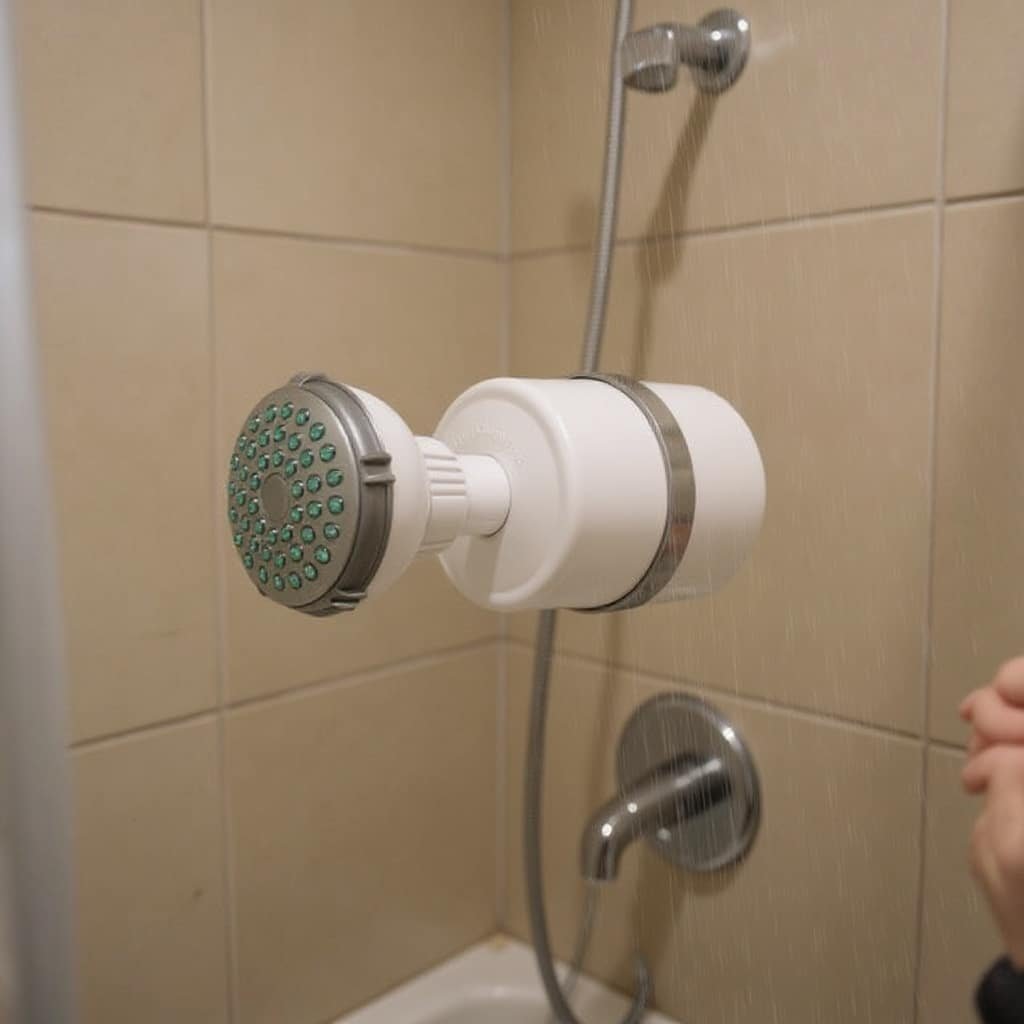
Every shower filter brand cites the same 1990s exposure studies to justify itself. Fewer mention that the most-cited infant eczema study specifically found household water hardness, not chlorine, was linked to risk, and that its own authors said they couldn’t determine whether chlorine mattered at all.
None of the 4 shower filters below appear on NSF’s own certified-product database for shower filtration, only 5 small, obscure manufacturers do. That’s an industry pattern, not a reason to avoid all of them, but it means “certified” claims deserve a second look.
- Culligan WSH-C125: best overall, established brand, EPA WaterSense certified, no independent red flags found.
- Sprite Slim-Line 2: best budget, the simplest and longest-proven design here.
- Crystal Quest Premium Shower Filter: broadest claimed contaminant list, but read our caveat below before buying.
Some links below pay us a referral fee. Doesn’t change our picks.
Key takeaways
Shower filters sell on the idea that chlorine in hot shower water is a meaningful skin and hair problem. The exposure science on volatile disinfection byproducts (chloroform, THMs) absorbed through skin and inhaled as steam is real and independently measured. What’s murkier is which specific filters actually deliver on chlorine removal, and whether chlorine is even the variable that matters most for skin issues like eczema, versus water hardness, which no shower filter we found actually addresses. We compared what’s independently tested against what’s simply claimed on the box.
Compare all 4 at a glance
| Model | Format | Media | Filter life | Price |
|---|---|---|---|---|
| Culligan WSH-C125 | Filtered showerhead | KDF (WHR-140 cartridge) | 10,000 gal / 6 mo | ~$40–50 |
| Sprite Slim-Line 2 | Inline (your showerhead) | Chlorgon (KDF + calcium sulfite) | 6 months | ~$30–35 |
| AquaBliss SF100 | Inline (your showerhead) | Multi-stage KDF/carbon/ceramic | 3–6 months | ~$35–37 |
| Crystal Quest Premium | Inline w/ optional showerhead | GAC + catalytic carbon + ERA-6500/9500 + ceramic | 6–12 mo / 10,000–15,000 gal | ~$41–80 |
Prices fluctuate; figures above are a recent snapshot, not a locked-in claim.
What the science actually says
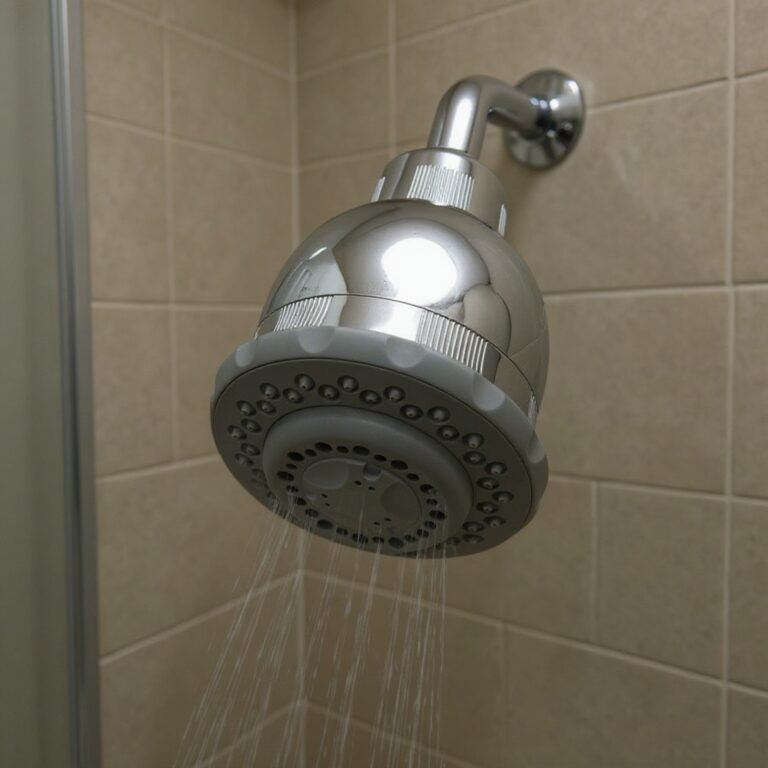
The exposure claim is legitimate. Research on chlorinated water (Jo, Weisel & Lioy, 1990, and later EPA-funded exposure work) found that a 10-minute shower’s combined skin absorption and inhalation of volatile disinfection byproducts like chloroform can be comparable to, or in some estimates exceed, what you’d absorb drinking a full day’s tap water. This is specifically about volatile compounds released as steam, not chlorine in general.
Chlorine and chloramine are not the same fix. KDF and activated carbon handle free chlorine reasonably well. Neither reliably removes chloramine (chlorine bound to ammonia, increasingly common as municipalities switch disinfectants) without catalytic carbon or combined media specifically suited to it. A filter that “removes chlorine” may do very little against chloramine.
The eczema study gets misquoted constantly, including by filter brands. A widely cited infant eczema study (Perkin et al., Journal of Allergy and Clinical Immunology, 2016, 1,303 infants) found household water hardness was significantly associated with eczema risk. The study’s own authors stated they were unable to determine whether chlorine levels affected eczema development at all. Independent lab testing has also found that none of the shower filters tested reduce water hardness, that requires a water softener, a different product entirely.
Bottom line: if your actual goal is softer water for skin, a shower filter isn’t the tool. If your goal is reducing chlorine/chloramine exposure and byproduct inhalation during a hot shower, that’s what these products are built for, with real variation in how well each one is independently verified to do it.
Our picks
This section contains affiliate links — we may earn a commission at no extra cost to you. See our full evaluation policy at the end of this guide.
Ranked on media quality, filter life, and how well each brand’s claims hold up to independent scrutiny.



Frequently asked questions
Do shower filters actually work?
It depends what you mean by “work.” The exposure science behind wanting one is real, chlorine and chloramine byproducts in hot shower water are measurably absorbed through skin and inhaled as steam. Whether a specific filter delivers meaningful reduction varies by brand and media, and independent testing is thin across this whole category, only 5 small manufacturers are on NSF’s own certified list for shower filtration.
Will a shower filter help my eczema or dry skin?
Possibly, but the most-cited research doesn’t clearly support chlorine as the cause. The 2016 infant eczema study widely referenced by shower filter brands actually found water hardness, not chlorine, associated with risk, and its authors said they couldn’t determine whether chlorine mattered. If hard water is your issue, you need a water softener, not a shower filter.
What’s the difference between an inline filter and a filtered showerhead?
An inline filter sits between your shower arm and your existing showerhead, so you keep your current spray pattern. A filtered showerhead (like the Culligan here) replaces the whole head, filter and spray settings built in. Neither format is inherently more effective, it comes down to the media inside.
Does a shower filter remove chloramine, not just chlorine?
Only if it’s built for it. Standard KDF and carbon media handle free chlorine well but don’t reliably remove chloramine (chlorine bound to ammonia) without catalytic carbon or media specifically chosen for it. If your municipality uses chloramine, not chlorine, disinfection (many now do), check the media type before assuming any “removes chlorine” claim covers you.
How often do I actually need to replace the cartridge?
Whichever the manufacturer states first, gallons or months, both are real limits based on how much active media is in the cartridge. Running one past its rated life means you’re mostly showering through inert material.
Culligan WSH-C125
Established brand, EPA WaterSense certified, longest filter life, no red flags in our research
Want to keep your own showerhead and spend less? The Sprite Slim-Line 2 is the simplest, cheapest option.
Want the most-reviewed option? AquaBliss SF100 has the deepest track record here.
Related reading
-
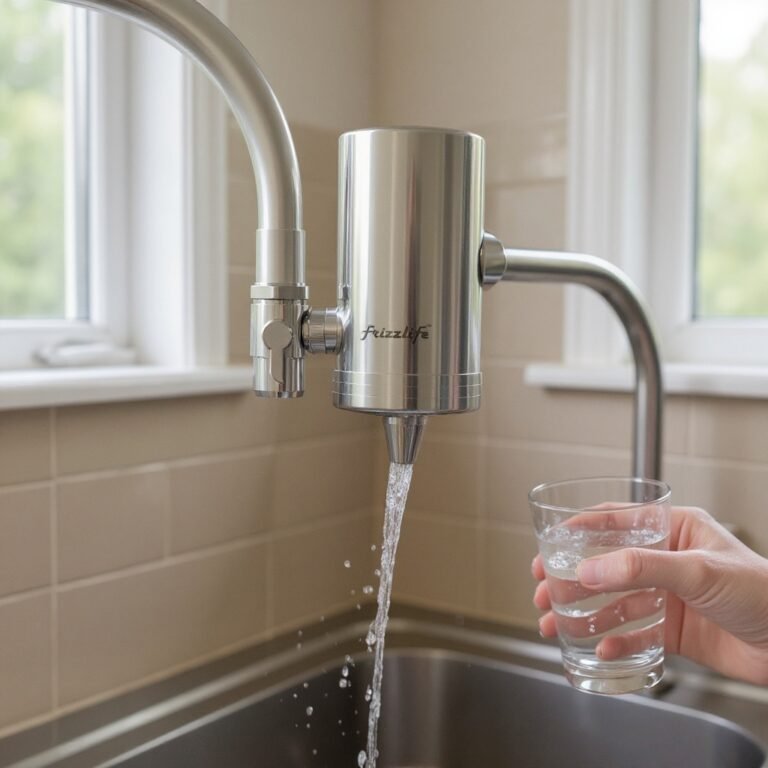 Water & AirBest Faucet Water Filter 2026 (US & Canada Picks)Same discipline applied to kitchen tap filters: what NSF numbers actually certify versus what’s implied.
 -
 Water & AirBest Under-Sink Water FiltersFor drinking water specifically, a broader certified contaminant list than any shower filter can carry.
 -
 Water & AirWell Water Testing: What It Actually ChecksIf hardness is your real concern, here’s how to confirm it before buying anything.
Last updated July 13, 2026 — we re-check specs and prices regularly.
As an Amazon Associate we earn from qualifying purchases.