 Inspire
Best Under-Sink Water Filters (2026): RO vs Carbon vs 2-Stage
Under-sink filters range from a $129 carbon cartridge to an $850 reverse osmosis system. Here’s which one actually fits your water and your budget.
Updated July 4, 2026 · 10 min read · ✓ Fact-checked
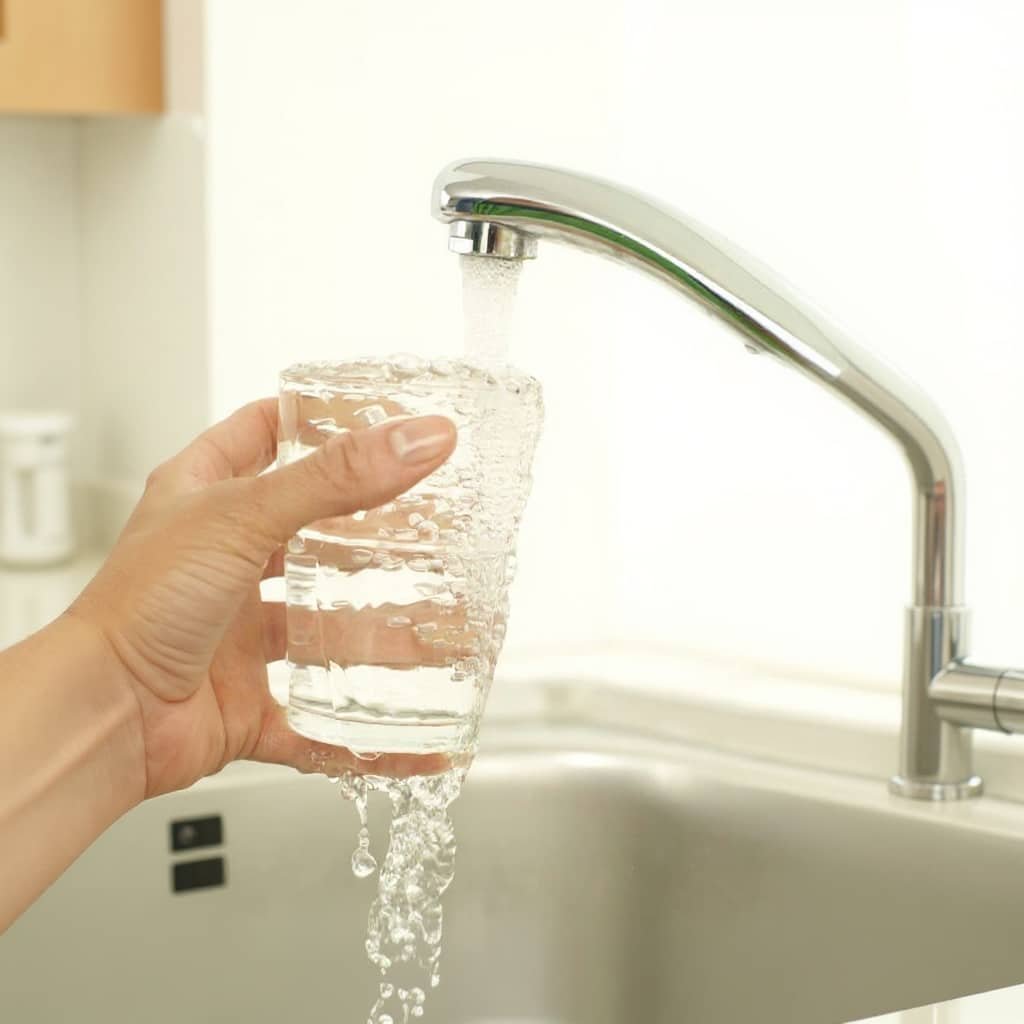
The first question with an under-sink filter isn’t whether you can afford reverse osmosis — it’s whether you actually need it.
Most kitchens don’t need a full reverse osmosis system. If it’s just taste and chlorine, the Epic Smart Shield fixes it for $129 in a 15-minute install. If you have a real contaminant concern, the Waterdrop G3P800 RO system is worth the bigger price and install.
Test your water before you buy. A $20 home test kit tells you whether you’re dealing with taste and chlorine (carbon is enough) or something carbon can’t touch (you need RO).
Key takeaways
- Reverse osmosis removes the most, including PFAS, but wastes some water and needs 2 drilled holes plus a power outlet to install.
- A carbon block filter fixes taste and chlorine with none of that hassle, installed in about 15 minutes — a 2-stage system sits in between, with better removal than carbon alone while keeping your water’s natural minerals.
- Check both marketplaces before you buy: the same filter can cost far more in Canada than the US, and not every brand ships here directly.
Best Under Sink Water Filter: Our picks
This section contains affiliate links — we may earn a commission at no extra cost to you. See our full evaluation policy at the end of this guide.
3 different technologies, so match the pick to what your water actually needs, not just the price tag.

The 3 compared
| System | Best for | Type | Rating |
|---|---|---|---|
| Waterdrop G3P800 | Maximum removal, PFAS & TDS | Reverse osmosis | 4.3★ |
| Epic Smart Shield | Fastest, easiest install | Carbon block | 4.9★ |
| Aquasana AQ-5200.55 | Keeping minerals, no waste water | 2-stage carbon + ion exchange | 4.0★ |
Which type do you actually need
The honest answer is: test your water before you buy anything. A $20 home test strip tells you whether your problem is taste, chlorine, and general contaminants (any of these 3 systems handles that) or something specific like high total dissolved solids, arsenic, or nitrates that only reverse osmosis reliably removes.
- Just want better-tasting water and less chlorine smell? A carbon filter like the Epic Smart Shield is enough, and it’s the cheapest, fastest install of the 3.
- Want to keep the minerals in your water while still filtering out lead, chlorine, and most common contaminants? A 2-stage system like the Aquasana AQ-5200.55 is built for that.
- Dealing with a real contaminant concern, high TDS, or want the most thorough filtration available? Reverse osmosis is the only technology here that reliably handles it, at the cost of a bigger install and some wasted water.
Installation reality: what each one actually asks of you
Carbon (Epic Smart Shield): connects to your existing cold line and faucet. About 15 minutes, no drilling, no dedicated faucet needed unless you want one.
2-stage (Aquasana AQ-5200.55): needs 1 drilled hole in the counter or sink deck for its own dedicated faucet. Budget 30 to 45 minutes.
Reverse osmosis (Waterdrop G3P800): needs 2 drilled holes (faucet and drain), a nearby power outlet, and a drain saddle that fits your existing pipe. Check your drain pipe diameter before you buy. Waterdrop rates it a 30-minute DIY install, but budget longer if your under-sink plumbing is nonstandard.
Frequently asked questions
Do I need reverse osmosis, or is carbon enough?
For most municipal water, carbon is enough to fix taste, odor, and chlorine. Reverse osmosis earns its cost when you have a specific concern a test confirms carbon can’t handle, like high TDS, arsenic, or certain PFAS levels.
Why does reverse osmosis waste water?
RO membranes need excess water flow to flush away what they filter out, so some water goes down the drain along with the wastewater. The Waterdrop G3P800’s 3:1 ratio (3 parts filtered water for every 1 part waste) is better than older RO systems, which are often 4:1 or worse.
Will an under-sink filter fix hard water?
Not on its own. Hard water is a mineral (calcium and magnesium) problem that causes scale buildup, and it needs a water softener, not a drinking-water filter. An under-sink filter improves what comes out of that one faucet; a softener treats the whole house.
Can I install one of these myself?
Yes, all 3 are built for DIY installation with basic tools. The carbon and 2-stage systems are the easiest. Reverse osmosis is still DIY-friendly but involves more steps: 2 drilled holes, a power connection, and a drain line.
Why is the same filter priced differently in Canada?
It happens more than you’d expect. The Aquasana AQ-5200.55 is the identical product and ASIN on both Amazon sites, but it’s priced at roughly double in Canada. Always check both marketplaces before buying if you’re not tied to one.
Waterdrop G3P800
Worth the bigger install for a real contaminant concern
Water tests clean and you just want better taste? The Epic Smart Shield is the easiest, cheapest install of the 3.
Coupon code INSPIRE15 for 15% off at checkout.
Want to keep your water’s minerals? The Aquasana AQ-5200.55 filters the basics without stripping them out, just check Canadian pricing first.
Related reading
-
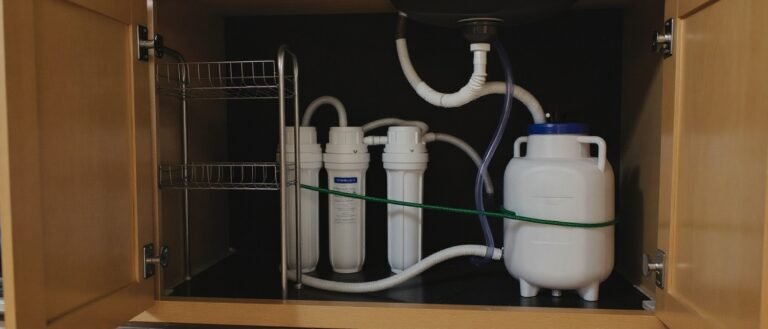 Water & AirReverse Osmosis vs Carbon Filter: Which Is Better in 2026?RO removes the most, including TDS and fluoride. Carbon keeps your minerals and wastes no water. The real decision, not the marketing version.
 -
 CanadaWhat Ontario’s Free Well Water Test Actually Checks (and What It Doesn’t)Ontario’s free well water testing program checks for E. coli and coliform bacteria only. Here’s what it doesn’t cover, how to test for the rest, and how to protect your water either way.
 -
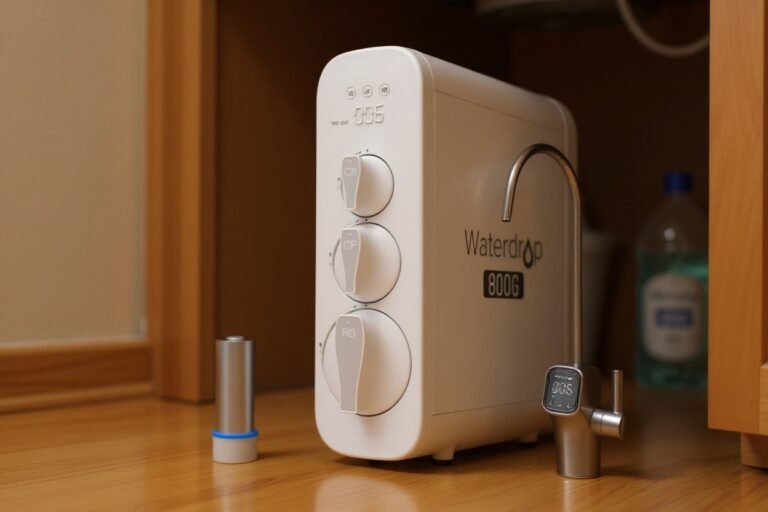 CanadaDoes Waterdrop, SpringWell, or Epic Water Ship to Canada? (2026)Waterdrop doesn’t ship to Canada at all. SpringWell and Epic Water do, with some catches. Here’s what we confirmed for each brand and where to buy instead when direct shipping isn’t an option.