 Inspire
Best Cold-Climate Heat Pump Canada: Ranked for Ontario Winters
5 units ranked for actual Ontario winters, not lab conditions. Which ones hold their output at −25°C, which qualify for Ontario’s heat pump rebates, and the one to skip.
July 12, 2026 · 11 min read · Contains affiliate links
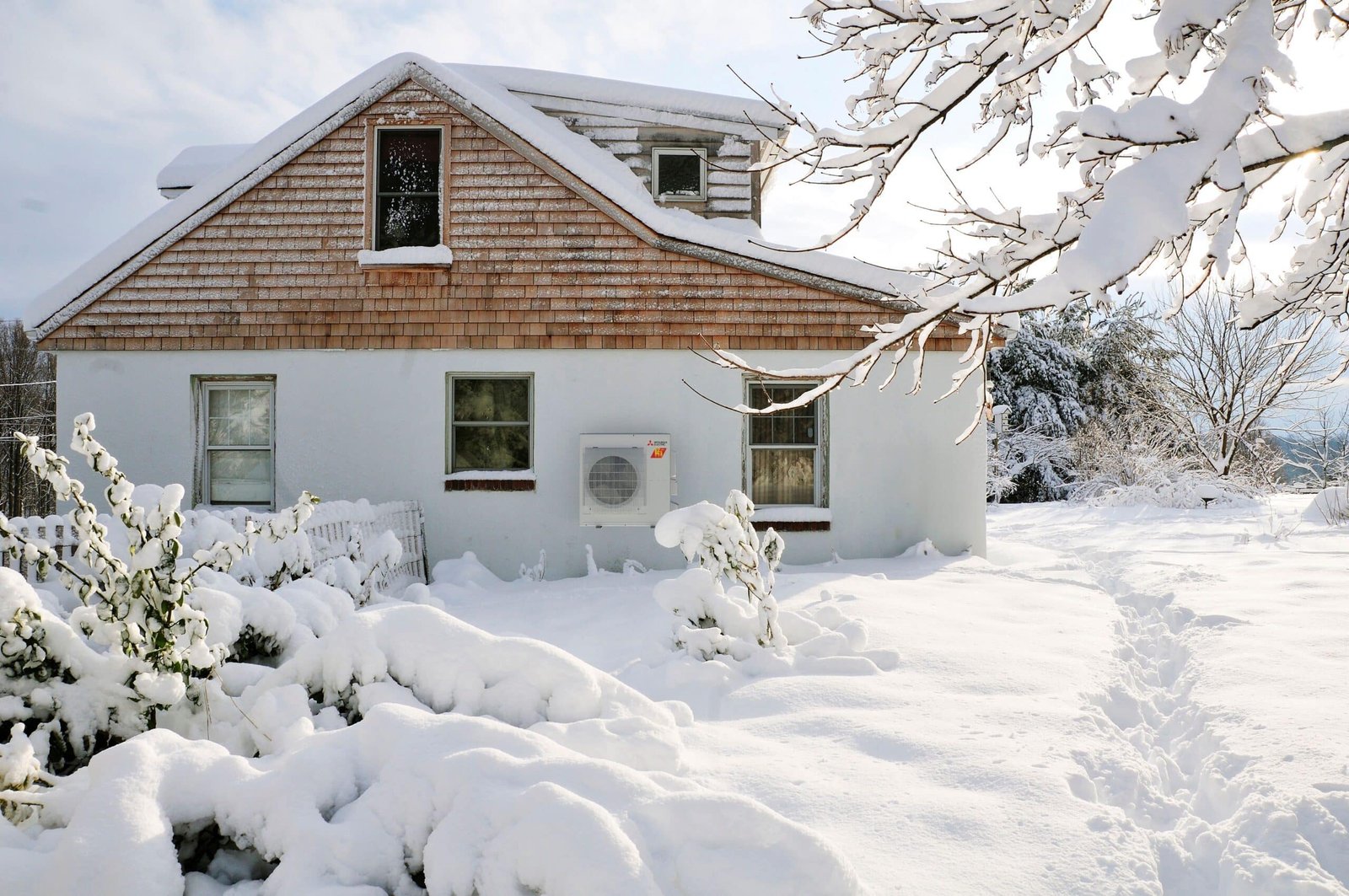
Most heat pumps quit around −10°C. Ontario winters don’t. A “cold-climate heat pump” sounds like what you need, but the label covers a huge range, some units coast on backup heat by −15°C, others hold 70% of rated output at −25°C. You’re buying one of two very different things, and the marketing won’t tell you which.
Check rated output at −25°C, not the “works down to” headline number.
- Mitsubishi Hyper-Heat: best overall, the default recommendation from most Ontario contractors.
- Fujitsu XLTH: best for extreme cold, northern Ontario and the Ottawa Valley.
- MRCOOL DIY 4th Gen: best for a DIY install in southern Ontario, but it forfeits both grants.
Some links below pay us a referral fee. Doesn’t change our picks.
Key takeaways
That’s the whole problem with this category. A unit can technically “operate” at −30°C while running at 30% capacity, with electric backup heat doing all the real work in the coldest weeks of the year. We ranked 5 units on what actually matters for Ontario: rated output at −25°C (not just minimum operating temp), grant eligibility, and whether you can get it serviced locally in February when something breaks.
Compare all 5 at a glance
| Model | Best for | Rated to | Install | Grant eligible |
|---|---|---|---|---|
| Mitsubishi Hyper-Heat MSZ-FS | Most Ontario homes | −25°C | Contractor | Yes (HRSP)** |
| Fujitsu XLTH 12RLS3HY | Extreme cold, north Ontario | −26°C | Contractor | Yes (HRSP)** |
| Daikin Aurora Series | Existing ductwork | −25°C | Contractor | Yes (HRSP)** |
| MRCOOL DIY 4th Gen | DIY, south Ontario only | −18°C | Homeowner | No* |
| Pioneer Diamante | Budget, south Ontario | −25°C | Contractor | Verify |
*DIY install doesn’t qualify for Ontario’s Home Renovation Savings Program (HRSP) or the income-qualified Energy Affordability Program, both require a licensed contractor. **Households heating with oil or electricity who meet income limits may also qualify for a fully-covered install through IESO’s Save on Energy Energy Affordability Program instead of, not on top of, the HRSP rebate. This tier is open to owners, tenants, and lessees, not just homeowners. See the grants section below.
The one spec to check before anything else
Every heat pump lists a minimum operating temperature. What you actually want is how much heat it puts out at −25°C. A unit can technically “operate” at −30°C while running at 30% capacity, which means your electric backup heat is doing most of the real work in the coldest weeks of the year, and you’re paying for a heat pump that’s mostly decoration when you need it most.
Four things separate a genuine cold-climate unit from one that just survives the cold: a variable-speed inverter compressor that keeps modulating output as it gets colder instead of simply cycling on and off, refrigerant chosen and charged to stay efficient at low pressure rather than just at room temperature, a smarter defrost cycle that doesn’t dump 10 minutes of cold air into the house every hour the way older units do, and a published capacity curve at −25°C, not just a single “works down to” headline number.
The Mitsubishi Hyper-Heat is rated to run down to −25°C, and the manufacturer’s own submittal data shows it still delivering close to 90% of its 47°F rated output right at that floor (11,000 BTU/h versus a 12,300 BTU/h rating). The Fujitsu XLTH is rated slightly colder still, to −26°C. That’s a real difference from units that only publish a single “works down to” headline number without a published capacity curve behind it, since those tend to be the ones that struggle once temperatures actually reach that mark.
Our picks
This section contains affiliate links, and we may earn a commission at no extra cost to you. See our full evaluation policy at the end of this guide.
Ranked on rated output at −25°C, grant eligibility, and whether you can get it serviced in Ontario in February.
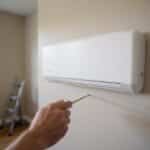
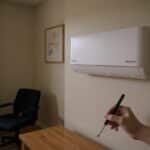
The grants: where most Ontario homeowners leave money on the table
This trips people up because the federal program most articles mention doesn’t actually apply to Ontario the way it applies to the rest of Canada. Ontario has its own delivery mechanism, and a separate provincial rebate on top, and the two don’t stack the way older guides describe.
| Program | Up to | Who qualifies | Deadline |
|---|---|---|---|
| Energy Affordability Program (Ontario’s delivery of federal Oil to Heat Pump Affordability funding, via IESO’s Save on Energy) |
Free install Valued up to $25,000: up to $15,000 federal + up to $10,000 provincial |
Ontario resident heating with oil or electricity, whether you own, rent, or lease, as long as you’re the listed utility account holder. Before-tax household income at or below the program’s limit: $48,220 for one person, up to $127,576 for a household of 7 or more. NRCan-qualified heat pump, installed for you through the program. | No published closing date as of September 2026 Verify at saveonenergy.ca. Note: the July 31, 2026 federal deadline applies to Alberta, Manitoba, Saskatchewan, the Northwest Territories, and Quebec, not Ontario. |
| Ontario Home Renovation Savings Program (HRSP) | $7,500 air-source heat pump $12,000 for a ground-source heat pump. Enbridge Gas customers get a lower tier: $2,000 air-source / $3,000 ground-source. |
Any Ontario homeowner. No income test. NRCan-qualified model. Participating HVAC contractor. | No stated deadline Verify at homerenovationsavings.ca |
| Canada Greener Homes Loan | Closed | Was an interest-free loan up to $40,000 for retrofits. Stopped taking new applications October 1, 2025. NRCan now lists remaining funding as fully committed. | Closed to new applicants |
| Utility rebates (Enbridge) | Folded into HRSP | Enbridge’s standalone Home Efficiency Rebate Plus program closed its intake in 2024 and wound down through the end of 2025. Enbridge Gas customers now get the lower HRSP tier above instead of a separate rebate. | Closed We couldn’t confirm a separate standalone Hydro One heat pump rebate. Check with your local electric utility directly. |
These two Ontario pathways don’t stack, because the Energy Affordability Program already covers the full installed cost. If you heat with oil or electricity and qualify on income, check that one first: it’s a free install delivered directly through Save on Energy, not a rebate you apply for after paying a contractor yourself. Everyone else uses the Home Renovation Savings Program instead, which pays a per-ton rebate rather than a flat amount. On the equipment side, the Mitsubishi Hyper-Heat, Fujitsu XLTH, and Daikin Aurora are all on NRCan’s qualified list, so all three are eligible for HRSP.
The MRCOOL DIY isn’t eligible for either program. A licensed contractor is a requirement for both, not a suggestion.
Verify your specific model number at nrcan.gc.ca before signing a contract, and confirm current program status at saveonenergy.ca and homerenovationsavings.ca. Approved lists and program terms update regularly.
5 questions to ask before you sign anything
The grant rush brought a lot of new heat pump installers into Ontario. Not all of them are ready. These 5 questions separate the ones who are.
Is this exact model number on the NRCan approved list? Not “is it cold-climate,” ask them to show you the NRCan listing. Pull it up on the spot.
Do you handle the grant application, or do I? Good contractors include this as part of the job. If you’re told to handle it yourself, that’s a bad sign.
Did you do a load calculation before picking the unit size? Oversized units short-cycle and fail early; undersized ones run constantly. The calculation is called a Manual J. If they don’t know the term, walk away.
What’s the backup heat plan at −25°C? For a dual-fuel setup, get the balance-point temperature in writing. For heat-pump-only, know what it costs per hour when backup resistance kicks in at your hydro rate.
What’s the parts lead time for this brand in Ontario? Mitsubishi parts are stocked province-wide. Some brands take 2–4 weeks. In February, that gap matters more than the $400 you saved on hardware.
Frequently asked questions
Does a heat pump actually work at Canadian temperatures?
Cold-climate ones do. Standard heat pumps start struggling at −10°C. The Mitsubishi Hyper-Heat is rated to −25°C and the Fujitsu XLTH to −26°C, and both hold most of their output there. A standard heat pump marketed as “cold climate” can be rated down to just −15°C, a very different product. Check the rated temp, not just the label.
Do I still need a furnace with a cold-climate heat pump in Ontario?
Usually no. A properly sized Hyper-Heat handles most Ontario homes as the sole heat source. Dual-fuel setups make sense for older houses with poor insulation. Your contractor’s load calculation tells you which situation you’re in, don’t let anyone install one without doing that calculation.
Can I install a heat pump myself in Ontario?
Only the MRCOOL DIY, using pre-charged line sets that skip the refrigerant certification. Every other unit needs a licensed HVAC installer under Ontario law. That trade-off costs you the federal and provincial grants too, since both require contractor installation.
Will a heat pump actually lower my energy bill?
Depends what you’re replacing. Switching from oil or electric baseboard, usually yes, since a heat pump moves heat instead of generating it. Switching from gas, it’s closer to a wash and depends on your local electricity and gas rates. Run your own numbers before assuming savings.
Does a heat pump cool my home in summer too?
Yes. It runs in reverse in summer, pulling heat out of your house the same way an air conditioner does. One unit replaces both your furnace and your AC, which changes the payback math if you were also planning to replace an aging central AC.
What is HSPF2 and why does it matter?
HSPF2 is the winter heating efficiency rating; it determines your electricity bill from November to March. SEER measures summer cooling instead. For Ontario’s climate zone, look for HSPF2 above 9.5. One catch: HSPF2 numbers run lower than older HSPF numbers, so make sure you’re comparing the same standard when pricing models.
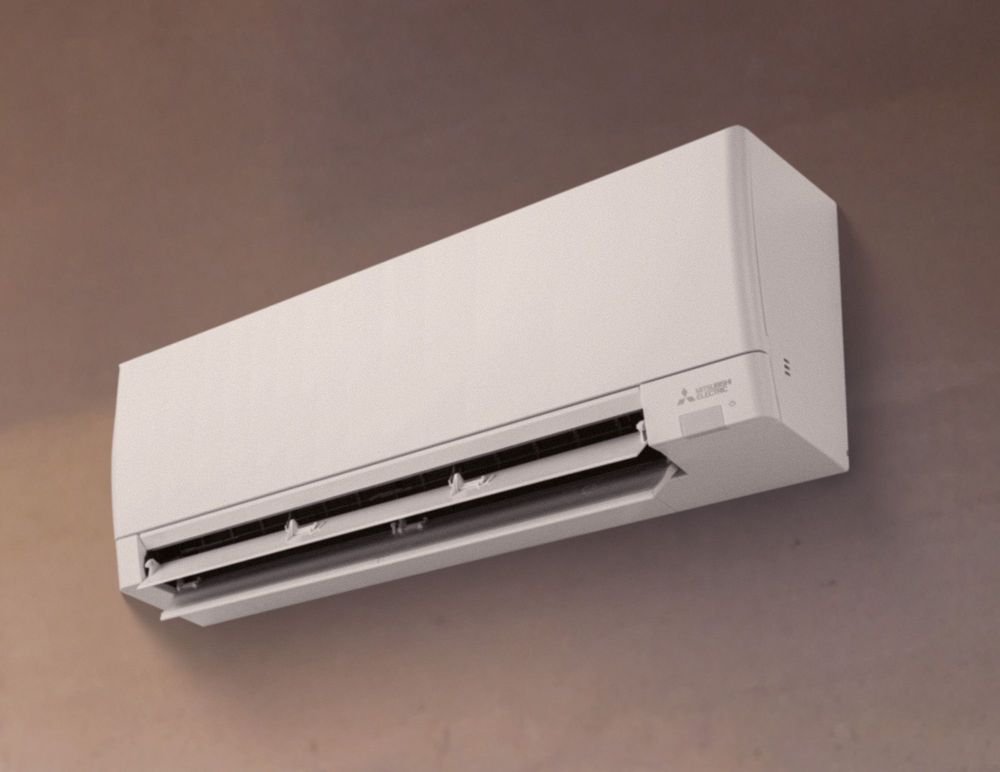
Mitsubishi Hyper-Heat MSZ-FS
Rated to −25°C, qualifies for Ontario’s Home Renovation Savings rebate, parts stocked province-wide
Northern Ontario or the Ottawa Valley? The Fujitsu XLTH is built specifically for sustained cold, rated to −26°C.
Southern Ontario and want to DIY? The MRCOOL 4th Gen skips the contractor, but forfeits both grants.
Related reading
-
 CanadaOil to Heat Pump Affordability Program: Applications Closed July 31, 2026The $10,000 federal grant mentioned above, explained in full: eligibility, income test, and what the closed intake means now.
 -
 CanadaBest Dehumidifier for a Basement in Canada (2026)Ducted heat can dry out a basement fast in winter. Here’s how to keep humidity in range year-round.
 -
CanadaBest Portable Air Conditioner Canada 2026 (No-Window Picks)The same heat pump runs in reverse for cooling. Here’s what to get if you need a standalone summer fix instead.
Last updated September 10, 2026. Reverified grant amounts, deadlines, and manufacturer specs against the sources above; corrected the Mitsubishi and Fujitsu minimum operating temperatures and rewrote the grants section, since Ontario delivers the federal oil-to-heat-pump program differently than the rest of Canada. Also corrected the Energy Affordability Program eligibility details: it covers electricity-heated homes as well as oil-heated ones, and is open to tenants and lessees, not just homeowners, per IESO’s own program page. Confirm current status before applying.
As an Amazon Associate we earn from qualifying purchases.