 Inspire
Best Portable Air Conditioner Canada 2026 (No-Window Picks)
4 units ranked by real SACC, the number that matters, not the BTU figure printed biggest on the box. Includes the one pick that actually works in a tight condo window.
July 10, 2026 · 10 min read · Includes affiliated links
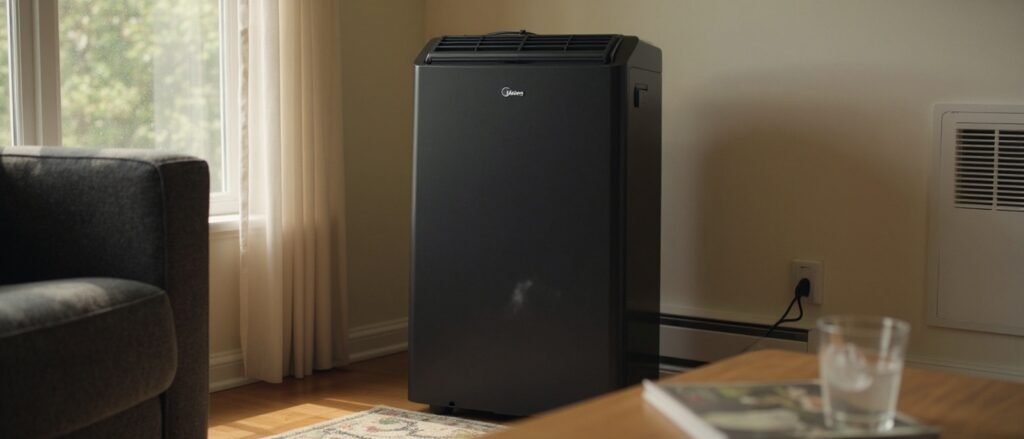
The BTU number on the box is inflated. Check SACC (Seasonal Adjusted Cooling Capacity) instead.
- Midea Duo MAP14S1TBL: best overall, the smallest gap between BTU and SACC of anything we checked.
- DeLonghi PAC EX390LVYN: best for large rooms, if you can get past its noise.
- SereneLife SLPAC8: best budget.
- Dreo AC515S: best for a tight condo or apartment window.
Some links below pay us a referral fee. Doesn’t change our picks.
Key takeaways
Every portable AC lists a BTU number based on lab conditions with the hose disconnected. In 2017 the DOE mandated a second, more honest figure: SACC (Seasonal Adjusted Cooling Capacity), tested with the hose attached like you’d actually run it. The gap between the two numbers varies a lot by brand, sometimes only 15% (like the Midea here), sometimes closer to 40% (like the DeLonghi). A “14,000 BTU” unit that’s really an 8,600 SACC unit is meaningfully weaker than a “14,000 BTU” unit that’s a genuine 12,000 SACC.
Nobody covers the condo/rental window-venting problem alongside real product picks. Most portable AC guides ignore that a lot of Canadian apartments have crank, casement, or narrow sliding windows that standard venting kits don’t fit well.
Size it: what SACC do you actually need
Real sizing, not the marketing square-footage claim
Sizing matters more than the brand when picking what apartments and condos actually need. A rough but honest starting point: about 20 BTU (SACC) per square foot for a normal room, more if it gets strong afternoon sun.
This is a starting estimate, not an exact engineering calculation. Ceiling height, insulation, and how many people/electronics are in the room all shift the real number.
Our Picks: Best Portable Air Conditioner Canada
This section contains affiliate links — we may earn a commission at no extra cost to you. See our full evaluation policy at the end of this guide.
Picked for real SACC-vs-BTU gap, confirmed noise level, and venting design.

The 4 compared
| Model | BTU (box) | SACC (real) | Hose | Noise | Price (CAD) |
|---|---|---|---|---|---|
| Midea Duo MAP14S1TBL | 14,000 | 12,000 | Dual | 42dB | ~$773 |
| DeLonghi PAC EX390LVYN | 14,000 | 8,600 | Single | 53dB | ~$560 |
| SereneLife SLPAC8 | 8,000 | Not published | Single | 55dB | ~$350 |
| Dreo AC515S | 12,000 | 8,000 | Single (dual optional) | 45-46dB | ~$600 |
Every price below can move — Amazon.ca prices fluctuate; figures above are a recent snapshot, not a locked-in claim.
Condo and rental windows: the honest answer
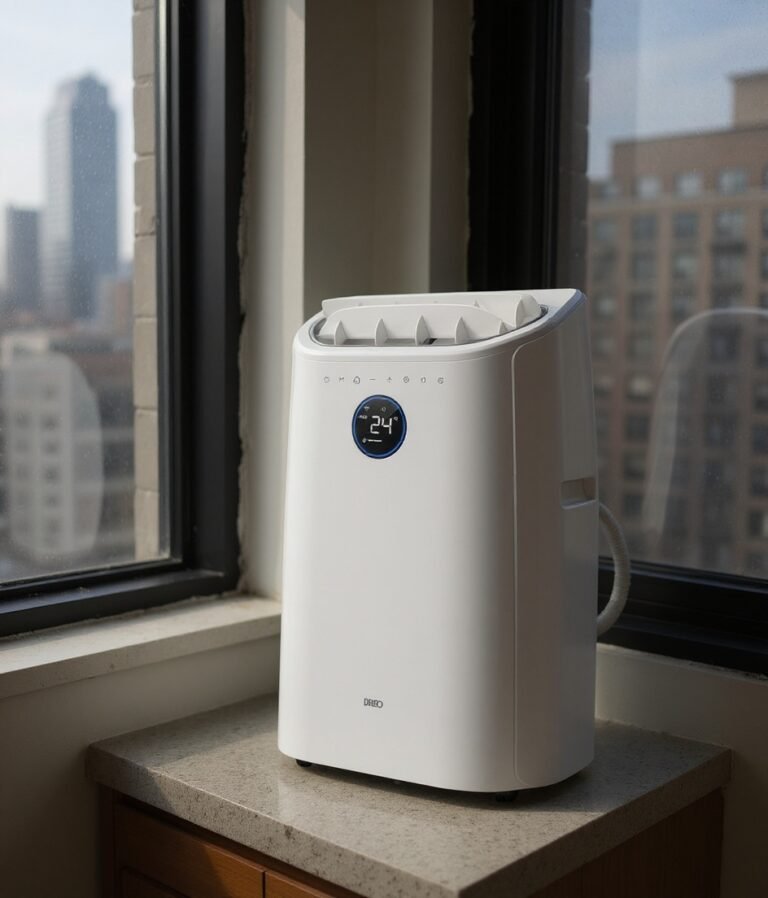
Every standard portable AC ships with a window venting kit built for a double-hung or sliding window with real width to work with. Toronto and Vancouver strata rules, older casement windows, and narrow condo openings are where most kits struggle.
The Dreo’s 17″-53″ adjustable panel is the best product-level answer we found. It’s still a product-level answer, not a universal fix. A true crank or fixed-pane window with no real opening doesn’t have a portable-AC solution at all beyond a custom-built acrylic or plywood insert cut to your specific window, which several real buyers online resorted to when no off-the-shelf kit fit.
One more thing before you buy: your pick still has to fit the window. Check your window type and your condo board’s rules before buying anything. Some buildings restrict exterior venting entirely, in which case a portable AC isn’t an option regardless of which one you pick, and a window unit or in-suite ductless system needs board approval instead.
Frequently asked questions
What’s the difference between BTU and SACC?
BTU is measured under old lab conditions with the exhaust hose disconnected, which inflates the number. SACC (Seasonal Adjusted Cooling Capacity) is the DOE-mandated 2017 standard, tested with the hose attached like real use. Always compare SACC, not the BTU headline number, when sizing a room.
Single-hose or dual-hose, does it matter?
Yes. A single-hose unit pulls replacement air from wherever it can find it, including back through gaps around your door, which makes it work harder. A dual-hose unit draws intake air from outside instead, and is measurably more efficient, though it needs a bit more window width to install.
Can a portable AC work in a condo with a crank or casement window?
Not well with an off-the-shelf kit. The Dreo AC515S’s 17″-53″ adjustable panel is the narrowest fit we found, but a true fixed or crank window with minimal opening needs a custom-cut insert, not a stock venting kit.
How loud are portable air conditioners?
Anywhere from about 42dB to 55dB among the models here, roughly the range between a quiet conversation and a running dishwasher. If noise matters, check the specific decibel rating, not just the brand’s marketing name for a “quiet” mode.
Do I need to check my strata or condo board rules before buying?
Yes. Some buildings restrict exterior venting through windows entirely. Check before buying, since no portable AC gets around a building rule that prohibits the hose from being visible outside the window.
Midea Duo MAP14S1TBL
The most honest BTU-to-SACC ratio of the four, and the quietest
Tight condo window? The Dreo AC515S‘s 17″-53″ kit is the narrowest fit we found.
Which pick is best on a tight budget? Just need one room cooled on a budget? The SereneLife SLPAC8 is the cheapest pick here.
Related reading
-
 CanadaBest Air Purifiers for Wildfire Smoke Season in Canada (2026)Running your AC on a smoky day recirculates it. Here’s what actually clears the air.
 -
 CanadaBest Portable Power Station Canada 2026: Storm-Ready PicksRunning an AC during a heat-wave brownout? Here’s how much backup power you’d actually need.
Related reading
-
 CanadaWhat Ontario’s Free Well Water Test Actually Checks (and What It Doesn’t)Ontario’s free well water testing program checks for E. coli and coliform bacteria only. Here’s what it doesn’t cover, how to test for the rest, and how to protect your water either way.
 -
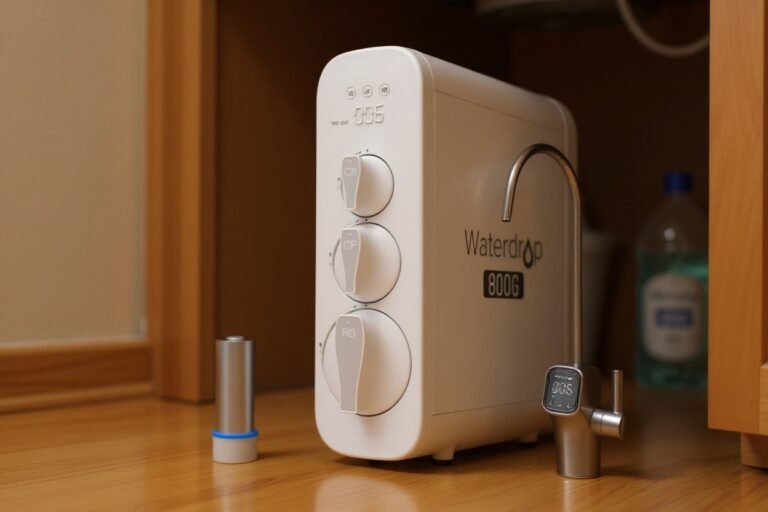 CanadaDoes Waterdrop, SpringWell, or Epic Water Ship to Canada? (2026)Waterdrop doesn’t ship to Canada at all. SpringWell and Epic Water do, with some catches. Here’s what we confirmed for each brand and where to buy instead when direct shipping isn’t an option.
 -
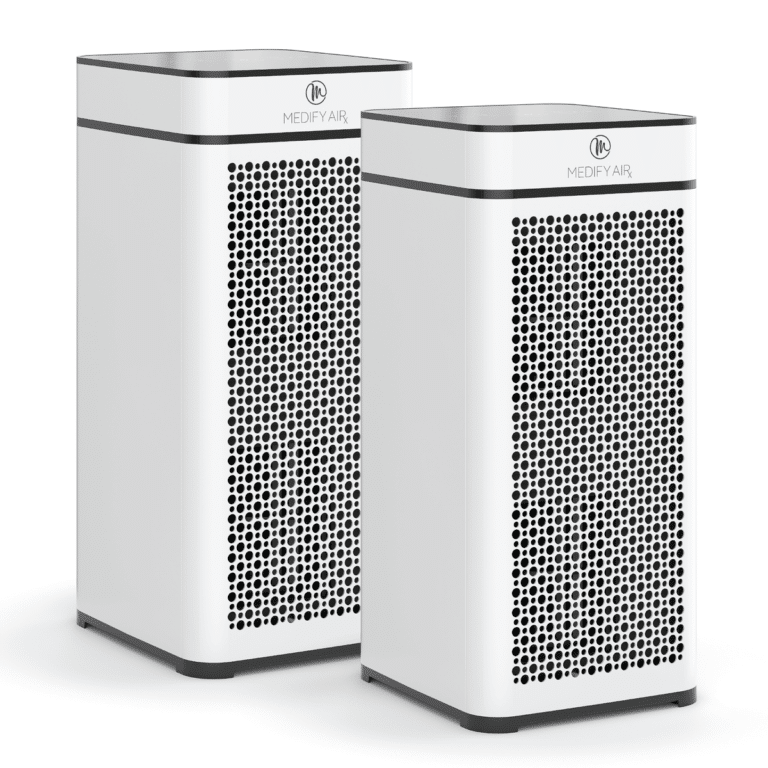 CanadaBest Air Purifiers for Wildfire Smoke Season in Canada (2026)3 real air purifiers picked specifically for wildfire smoke: CADR smoke rating, true HEPA filtration, and real owner reviews, not just square footage claims on the box.
Last updated July 10, 2026. We re-check specs and prices regularly.
As an Amazon Associate we earn from qualifying purchases.