 Inspire
Oil to Heat Pump Affordability Program: What’s Closed and What Isn’t by Province (2026)
A federal grant paid up to $10,000 toward switching from oil heat to a heat pump in 5 provinces and territories, and that intake closed July 31, 2026. Ontario and 6 other provinces and territories were never on that deadline, and Ontario homeowners can still get a heat pump at no cost through a separate provincial program.
Updated September 15, 2026 · 9 min read · ✓ Fact-checked · Includes affiliated links
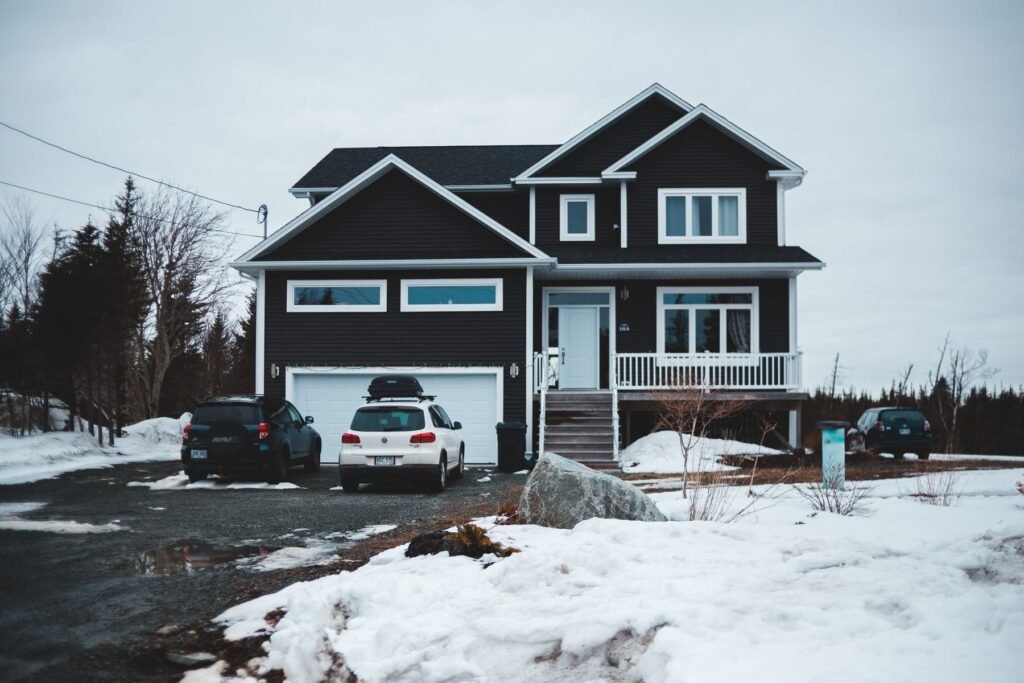
The July 31, 2026 application deadline applies only to Alberta, Manitoba, Saskatchewan, the Northwest Territories, and Quebec. If you applied from one of those 5 jurisdictions before that date, your application is still being processed, and you have until January 31, 2027 to upload your documents and complete the work.
Ontario, British Columbia, New Brunswick, Newfoundland and Labrador, Nova Scotia, PEI, and Yukon were never on this deadline. Those jurisdictions use a separate, provincially co-delivered version of the program. In Ontario specifically, income-qualified oil-heated homes can still get a heat pump installed at no cost through Save on Energy’s Energy Affordability Program, and NRCan has not published a closing date for it.
Heat with oil in Alberta, Manitoba, the Northwest Territories, Quebec, or Saskatchewan? A federal program paid up to $10,000 CAD toward a heat pump, and it paid out before you installed it rather than after. Heat with oil in Ontario instead? That federal deadline was never yours, and a separate provincial program worth up to $25,000 is still taking applications.
The federal Oil to Heat Pump Affordability Program (OHPA) closed to new applicants on July 31, 2026, but only where the federal government delivers it directly: Alberta, Manitoba, the Northwest Territories, Quebec, and Saskatchewan. It paid up to $10,000 CAD toward a qualifying heat pump in those 5 jurisdictions, sent to you before installation rather than as a reimbursement after. If your application went in before the deadline, it is still being processed.
Ontario, BC, New Brunswick, Newfoundland and Labrador, Nova Scotia, PEI, and Yukon run OHPA funding through their own co-delivery partner instead, and that July 31 deadline does not apply to them. In Ontario, the federal funding flows through Save on Energy’s Energy Affordability Program (EAP): a free, fully-covered heat pump install worth up to $25,000 (up to $15,000 federal plus up to $10,000 provincial), income-tested, with no closing date published as of this update.
Key takeaways
- OHPA covers Alberta, Manitoba, Northwest Territories, Quebec, and Saskatchewan specifically, delivered directly by the federal government, not through a provincial program. Its application intake closed July 31, 2026, and if you already applied you have until January 31, 2027 to upload your documents and get the work completed and paid for.
- The grant is $10,000 CAD flat for these 5 jurisdictions. The $15,000 federal tier reported elsewhere applies in a different group of provinces and territories (BC, NB, NL, NS, ON, PEI, YT) that co-deliver the program with a local partner, and the July 31, 2026 deadline does not apply there.
- In Ontario, that co-delivered funding runs through Save on Energy’s Energy Affordability Program: a free heat pump install worth up to $25,000 combined (federal plus provincial), income-tested, with no published closing date.
- Applicants were approved before buying or installing anything. The payment arrived first, then you had 6 months to complete the install.
Oil To Heat Pump Affordability Program: One thing worth pairing with a new heat pump
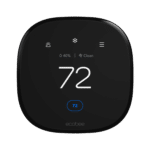
A heat pump runs most efficiently with a thermostat built for it. This isn’t part of the grant, just a practical add-on.
Who actually qualifies
The criteria below are for the federal direct-delivery grant in Alberta, Manitoba, the Northwest Territories, Quebec, and Saskatchewan. If you heat with oil in Ontario, skip ahead to how the Energy Affordability Program works instead, since its eligibility rules and income test are set by Save on Energy, not NRCan.
For the 5 direct-delivery jurisdictions, you need to check every box, this isn’t a program with partial eligibility:
- Currently heat with oil. You’ll need to show at least 500 litres of heating oil purchased in the past 12 months, receipts included.
- Household income at or below the median for your province. The exact threshold depends on both your province and household size, for example a 1-person household in Saskatchewan is capped around $43,700, a 5+-person household around $127,650. Alberta, Manitoba, Quebec, and the NWT each have their own figures.
- You own the home, and it’s your primary residence. Renters, landlords renting out the property, and seasonal or cottage properties are all excluded.
- The home is connected to an integrated electricity grid. This rules out some genuinely remote properties, including parts of the NWT.
- The dwelling is habitable year-round and was built at least 6 months ago. Detached, semi-detached, row and townhomes, mobile homes on a permanent foundation, floating homes, and small (2-unit or fewer) low-rise multi-unit buildings all qualify.
How much you actually get
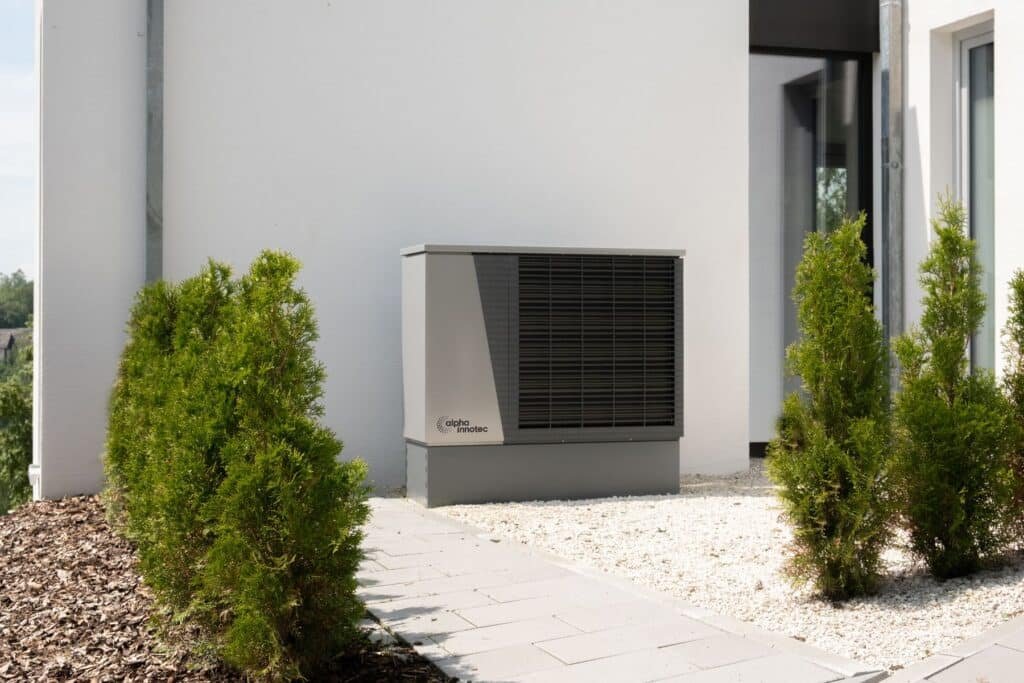
For Alberta, Manitoba, the Northwest Territories, Quebec, and Saskatchewan specifically, the grant is $10,000 CAD, unchanged since the program launched in 2023. That figure has stayed flat regardless of income level or how remote your home is, it’s a binary: you either qualify for $10,000 or you don’t qualify at all.
You may have seen a $15,000 figure reported for this program. That higher amount, plus a separate $250 bonus payment, is the federal share only in a different group of provinces and territories (British Columbia, New Brunswick, Newfoundland and Labrador, Nova Scotia, Ontario, PEI, and Yukon), which co-deliver the program with a provincial partner instead of the federal government running it directly. If you’re in one of the 5 jurisdictions this article covers, plan around $10,000, not $15,000. In Ontario, the provincial partner (IESO’s Save on Energy) adds its own funding on top, so the combined total there runs higher still. See the Ontario breakdown below.
| Tier | Amount | Provinces / territories | Delivered by |
|---|---|---|---|
| Federal direct | $10,000 CAD flat | Alberta, Manitoba, Northwest Territories, Quebec, Saskatchewan | Federal government directly |
| Provincial/territorial track (federal share) | Up to $15,000 CAD + $250 bonus payment | British Columbia, New Brunswick, Newfoundland and Labrador, Nova Scotia, Ontario, PEI, Yukon | Delivered through provincial/territorial program |
| Ontario total (federal + provincial) | Up to $25,000 CAD combined | Ontario only | Save on Energy (IESO), federally funded via OHPA |
If you’re in Ontario: the Energy Affordability Program is still open
Ontario doesn’t use the Canada Greener Homes portal at all. The same federal OHPA funding flows into Ontario through the Independent Electricity System Operator’s (IESO) Save on Energy Energy Affordability Program (EAP), and it was not affected by the July 31, 2026 federal deadline that applies elsewhere in this article.
- It’s free, not a rebate. Eligible households get a cold-climate heat pump installed at no cost, combining up to $15,000 in federal OHPA funding with up to $10,000 in provincial funding, for a combined value up to $25,000.
- It’s income-tested. Household income generally needs to fall at or below roughly $48,220 for a single person, up to roughly $127,576 for a household of 7 or more, or you can qualify through assistance programs like ODSP or Ontario Works.
- No closing date has been published. Unlike the 5-jurisdiction federal direct-delivery grant above, NRCan and Save on Energy have not announced an intake deadline for the EAP as of this update.
Apply directly through Save on Energy rather than the Canada Greener Homes portal used elsewhere in this article. Ontario’s process, paperwork, and income test are administered separately from the 5-jurisdiction grant described below.
How it actually works
The steps below describe the federal direct-delivery process in Alberta, Manitoba, the Northwest Territories, Quebec, and Saskatchewan only. Ontario applicants use the different process described above instead.
Check eligibility and apply online through the Canada Greener Homes portal, using a GCKey or Sign-In Partner login. This step closed on July 31, 2026 for these 5 jurisdictions. No home energy evaluation (EnerGuide) was required for this specific program, that requirement belonged to a different, now-closed grant.
Get a decision, reportedly within about 48 hours for most applicants, by email.
Accept the grant and receive payment upfront, before you’ve bought or installed anything, typically within 10 to 15 business days of accepting.
Here’s what matters most here: Install the heat pump within 6 months of receiving payment, using a contractor who can sign the required attestation confirming the system heats the whole home.
Submit your receipts and the signed contractor attestation afterward, through the Canada Greener Homes portal, on or before January 31, 2027. A verification visit is possible.
Where the deadlines stand now
These 3 dates apply to the federal direct-delivery track in Alberta, Manitoba, the Northwest Territories, Quebec, and Saskatchewan. Mixing them up matters:
- July 31, 2026: this was the last day to submit a new application. That date has passed and the intake is closed.
- January 31, 2027: the deadline to upload your required documents, and to have the work completed and paid for. If you applied in time, this is the date that matters to you now.
- March 31, 2027: the program closes entirely.
If you’re in Quebec specifically: this federal program is separate from Quebec’s own provincial “Chauffez vert” oil-to-heat-pump assistance, which could previously stack with it, but Chauffez vert itself ended March 31, 2026. Don’t count on combining the two going forward, verify current provincial program status separately before assuming it’s still active.
Frequently asked questions
Is this the same as the Canada Greener Homes Grant?
No. The Canada Greener Homes Grant was a separate program that closed to new applicants on October 1, 2025. OHPA’s federal direct-delivery track ran separately for Alberta, Manitoba, the Northwest Territories, Quebec, and Saskatchewan, with its own rules, including no required EnerGuide evaluation, and its intake closed on July 31, 2026 for those 5 jurisdictions only.
Do I need to pay for the heat pump first and get reimbursed?
One thing worth knowing here: No, this was the reverse of a typical reimbursement grant. You applied, got approved, and received payment before buying or installing anything.
What if I live in Ontario, BC, or another province not covered here?
The July 31, 2026 deadline never applied to you. The co-delivery track runs through a provincial partner instead, with a different amount (up to $15,000 federal plus a possible $250 bonus, before any provincial top-up), and each co-delivery jurisdiction sets its own timeline. In Ontario specifically, that funding flows through Save on Energy’s Energy Affordability Program, worth up to $25,000 combined and still accepting applications with no published closing date. If you’re in BC, New Brunswick, Newfoundland and Labrador, Nova Scotia, PEI, or Yukon, check your own province’s program page, since arrangements vary by jurisdiction.
Does a heat pump actually work in a cold Canadian winter?
Modern cold-climate heat pumps maintain efficiency well below freezing, that’s a separate technical question from this program’s rules. Ask your contractor for a unit rated for your specific climate zone.
What if I did not apply before July 31, 2026?
That depends on where you live. In Alberta, Manitoba, the Northwest Territories, Quebec, or Saskatchewan, new applications for the direct-delivery grant are no longer accepted, NRCan has not announced an extension or a new intake there, and that track is winding down through 2027. In Ontario and the other co-delivery jurisdictions, this deadline was never yours. Ontario homeowners can still apply through Save on Energy’s Energy Affordability Program.
Bottom line
In Alberta, Manitoba, the Northwest Territories, Quebec, or Saskatchewan, the window to apply for the direct-delivery grant has closed. If you got an application in before July 31, 2026, the date to protect now is January 31, 2027, when your documents have to be uploaded and the work has to be completed and paid for.
In Ontario, that deadline doesn’t apply to you. Income-qualified oil-heated homes can still get a heat pump installed at no cost, worth up to $25,000, through Save on Energy’s Energy Affordability Program. If you’re in BC, New Brunswick, Newfoundland and Labrador, Nova Scotia, PEI, or Yukon, check your own province’s program page for its current status.
Related reading
-
 CanadaBest Mosquito Control for Standing Water in Canada (Homeowner Guide)Best mosquito control for standing water in Canada: 5 tested options ranked by effectiveness, safety near wildlife, and value. Includes biocontrol and chemical picks.
 -
 CanadaMYKOS vs DYNOMYCO: Which Mycorrhizae Is Worth Buying in 2026?MYKOS vs DYNOMYCO: which mycorrhizal inoculant is worth buying? We compare species count, application method, price per application, and real transplant results.
 -
 Plant Care & GardeningBest Mycorrhizae for Tomatoes in Containers (2026): MYKOS vs DYNOMYCOBest mycorrhizae for tomatoes in containers: our top picks after testing in grow bags and pots. Only the ones that actually improved root uptake — no filler products.