 Inspire
Best Mycorrhizae for Tomatoes in Containers (2026): MYKOS vs DYNOMYCO
Two premium inoculants, one container rule: it has to touch roots.
Updated June 2026 · 6 min read · ✓ Fact-checked
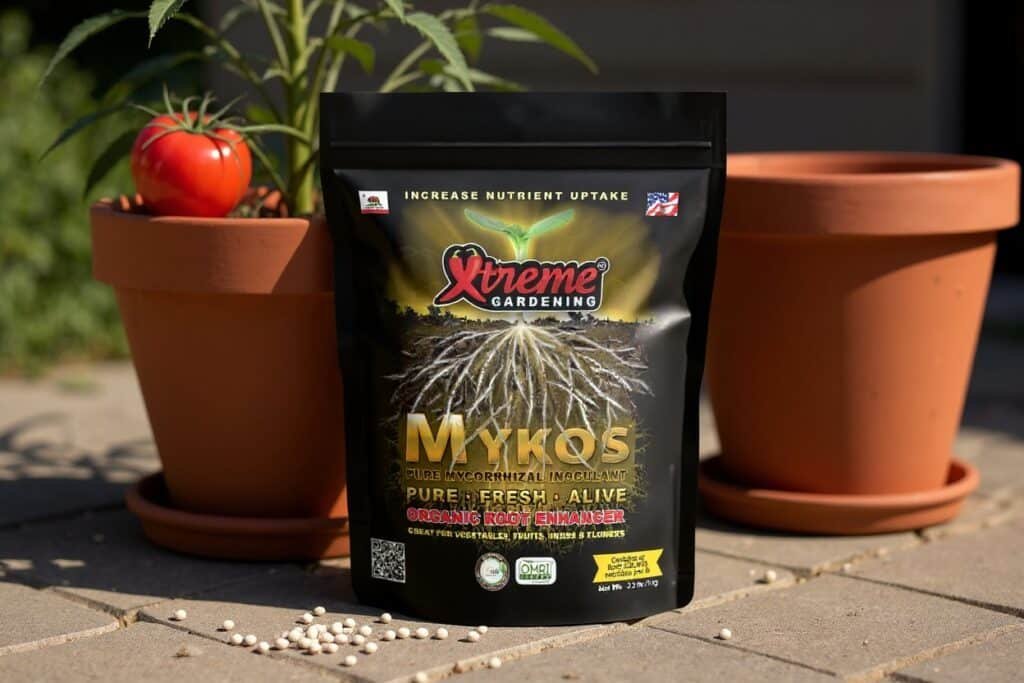
A bag of mycorrhizae looks like one decision: pick the better brand, sprinkle it in, done. It isn’t. MYKOS and DYNOMYCO both get blamed for “doing nothing” when the real failure was never the product, it was granules landing in loose potting mix instead of on a root. Containers make that mistake impossible to hide, there’s no spare soil volume in a five-gallon pot to bury a bad habit in.
Best mycorrhizae for tomatoes in containers (2026): For most growers transplanting tomatoes into containers, MYKOS is the safest “default” pick because it’s forgiving and easy to apply at the root ball. If you transplant a lot and you measure on purpose, DYNOMYCO is the stronger “precision” pick thanks to its higher concentration spec. In containers, the deciding factor isn’t the label. It is root contact at transplant, especially in common 5–10 gallon setups.
We are container-first growers. We like control, we hate transplant stall, and we will pay more if it reduces risk. We also asked a bunch of hobbyists what actually changed their tomato transplants. The pattern was consistent: the product matters, but the placement matters more.
Key takeaways
- Containers make placement mistakes loud. Less soil volume means less room for error than an in-ground bed.
- Nearly every “it didn’t work” story traces back to the same root cause: the product never touched an actual root.
- Tomatoes specifically punish a slow first week after transplant. A rough start compounds over the whole season.
- Think in cost per transplant, not bag price, the same way premium DIY growers do.
Our picks
Container Tomato Decision Table
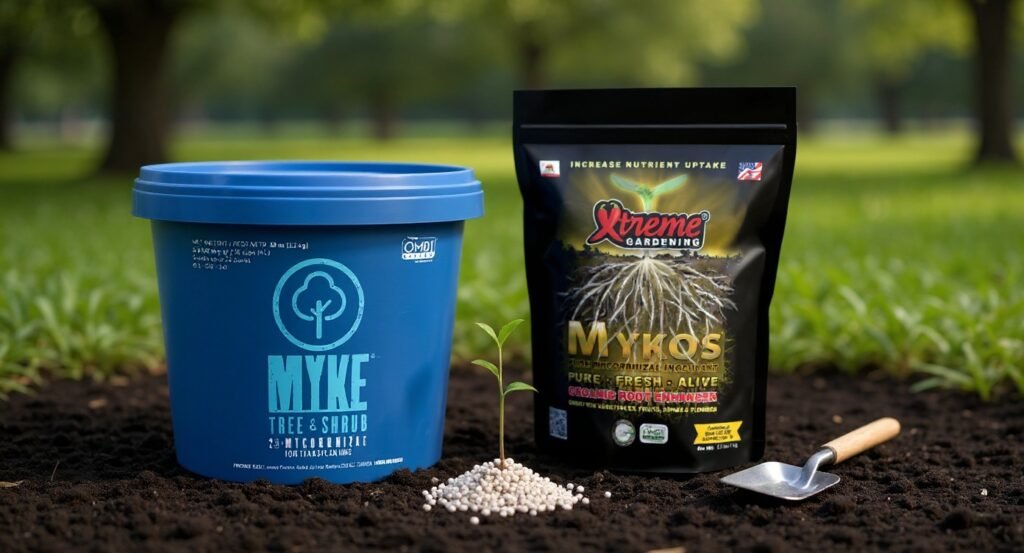
| Best for | MYKOS: easy routine you repeat | DYNOMYCO: precision routine you measure |
|---|---|---|
| Container fit | Excellent, especially for potting mixes | Excellent, especially with deliberate placement |
| Spec mindset | “I just want it to work.” | “I want higher concentration and I will apply properly.” |
| Most common fail | No root contact. If it does not touch roots, it does nothing. |
Quick pick for container tomatoes
- If you want simple and repeatable: pick MYKOS.
- If you transplant heavily and you measure: pick DYNOMYCO.
- If you won’t place it on roots: skip both and save the money.
If you want the full brand-vs-brand comparison, we keep that here:
MYKOS vs DYNOMYCO.
What matters in containers (and why tomatoes make it obvious)
Containers make mistakes loud. Less soil volume means less buffer. Tomatoes show it fast: a slow week after transplant can turn into a season of “catching up.”
That is why we treat mycorrhizae like transplant insurance. Not magic. Not a yield cheat code. Just a tool that can help roots establish faster when you apply it correctly. That is why choosing the best mycorrhizae for tomatoes in containers comes down to application discipline, not marketing claims.
Best mycorrhizae for tomatoes in containers: MYKOS vs DYNOMYCO (table)
| Best for | MYKOS: easy routine you repeat | DYNOMYCO: precision routine you measure |
|---|---|---|
| Container fit | Excellent, especially for potting mixes | Excellent, especially with deliberate placement |
| Spec mindset | “I just want it to work.” | “I want higher concentration and I will apply properly.” |
| Most common fail | No root contact. If it doesn’t touch roots, it does nothing. | |
How we apply it for container tomatoes
We keep it boring on purpose. Boring gets repeated.
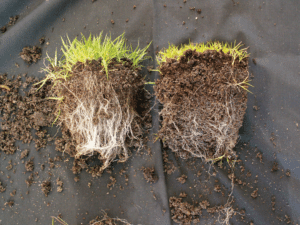
- Dust the root ball: lightly coat the outside of the root ball so granules stick.
- Pinch in the hole: put a small amount right where roots will sit.
- Water in normally: you want moisture, not a swamp.
One thing we see from experienced growers: they treat this like “touch points,” not like a soil amendment. Place it where roots are, then move on.
3 mistakes we see constantly (and why people think it “doesn’t work”)
Most “it didn’t work” stories come from placement errors, which is why the best mycorrhizae for tomatoes in containers is usually the one you apply correctly every single time.
- Sprinkling into the pot after transplant: it looks productive, but it rarely hits roots.
- Using too much and expecting instant drama: colonization is a process, not fireworks.
- Letting the medium go bone dry right after transplant: early consistency matters.
Cost per transplant (premium DIY reality)
When we evaluate the best mycorrhizae for tomatoes in containers, we think in cost per transplant, not bag price. Most premium DIY growers don’t mind paying for a product that saves time or reduces risk. The real cost is losing a week of growth in a container system you are already investing in.
If you dose intentionally, both products usually work out to a small cost per transplant. What gets expensive is using it incorrectly, then buying more.
Frequently asked questions
Is mycorrhizae worth it for tomatoes in containers?
Usually, yes, if you transplant and you apply it at the root ball. Containers amplify stress, so root establishment matters more.
When should I apply it for tomatoes?
At transplant. That is the moment you can guarantee root contact. Post-transplant top-dressing is the most common waste.
Will it increase tomato yield?
It can support the conditions that lead to better yield, mainly stronger early rooting and steadier growth. It is not a substitute for light, nutrition, and watering discipline.
Which is the safest first buy?
If you want the simplest routine for container tomatoes, MYKOS is usually the easiest starting point. If you already measure everything and transplant often, DYNOMYCO is a great fit.
The Bottom Line
For most container tomato transplants, MYKOS is the safest default, it is forgiving and easy to apply right at the root ball. If you transplant often and measure on purpose, DYNOMYCO’s higher concentration spec makes it the stronger precision pick. In containers, root contact at transplant decides the outcome, not the label.
Related reading
-
 CanadaBest Mosquito Control for Standing Water in Canada (Homeowner Guide)Best mosquito control for standing water in Canada: 5 tested options ranked by effectiveness, safety near wildlife, and value. Includes biocontrol and chemical picks.
 -
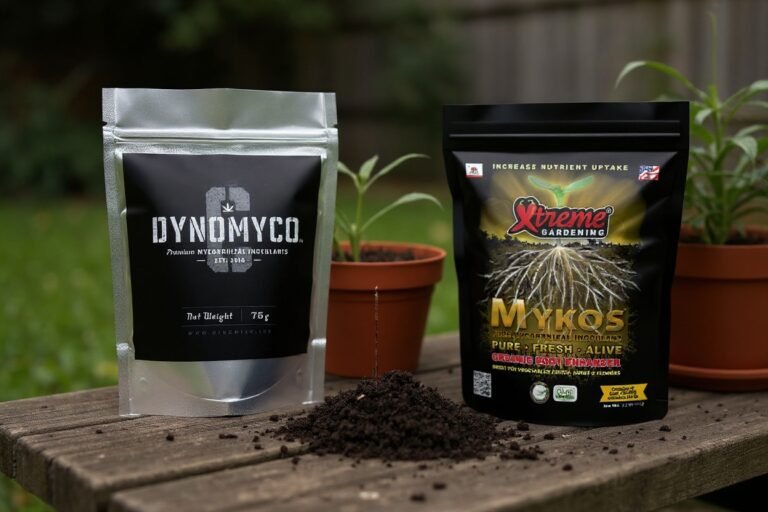 CanadaMYKOS vs DYNOMYCO: Which Mycorrhizae Is Worth Buying in 2026?MYKOS vs DYNOMYCO: which mycorrhizal inoculant is worth buying? We compare species count, application method, price per application, and real transplant results.
 -
 CanadaBlossom End Rot on Tomatoes: Why It Happens (and the Fastest Fix)Blossom end rot is a calcium delivery problem, not usually a soil shortage. What causes it, how to stop it in about two weeks, and when a cal-mag supplement actually helps.