 Inspire
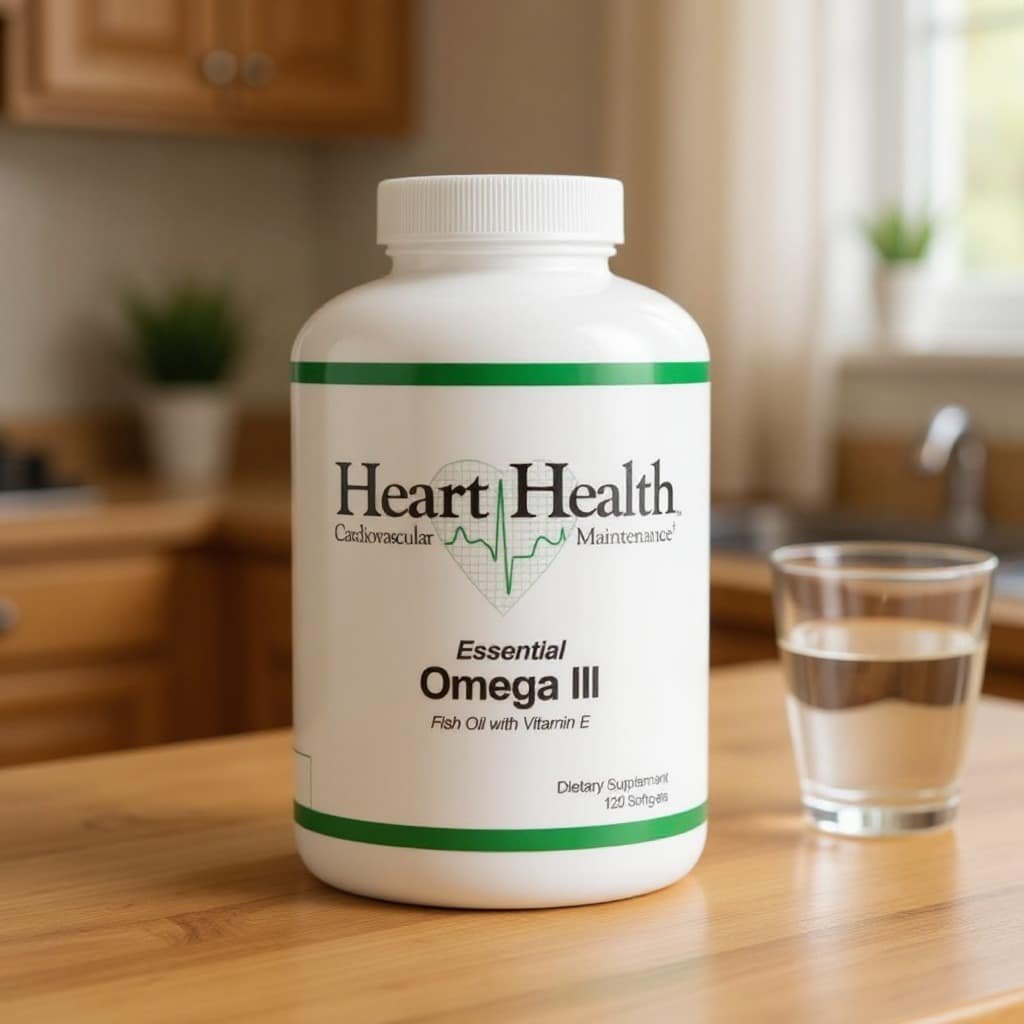
Heart Health Essential Omega III Fish Oil Review
Most fish oil capsules taste like the ocean on the way back up. This one is built around not doing that: small fish, extra vitamin E, and a dose big enough to matter. This Heart Health Omega review checks whether the label backs up the “nearly 3x more fish oil” claim.
maker rating
What we liked
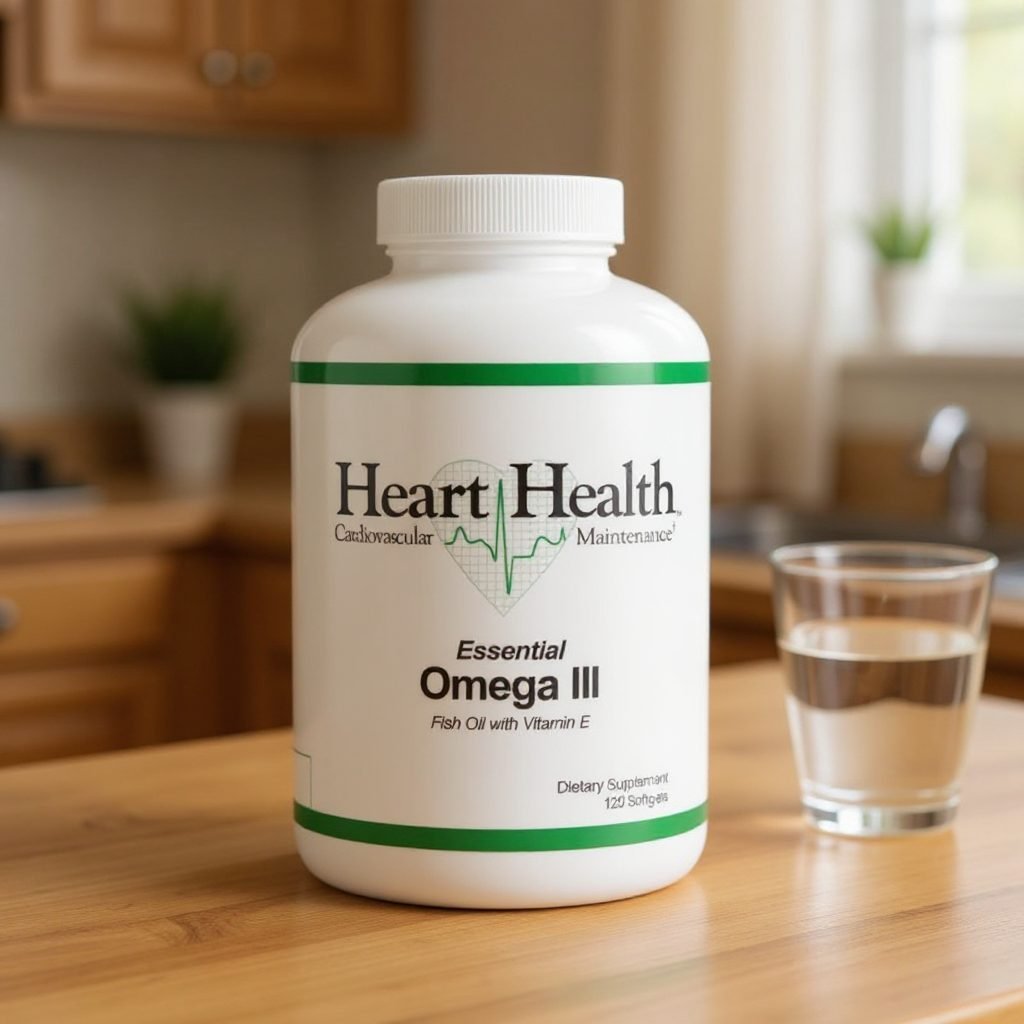
- 900 mg EPA + 600 mg DHA per serving, a genuinely high dose (label-stated)
- Small, low-toxin fish (sardines and anchovies) instead of large predatory species
- Tested twice: once by the manufacturer, once by an independent lab
- Vitamin E added specifically to stop the oil from turning rancid
What to know
- Premium price for a fish oil ($69.95 for a 30-day, 60-serving bottle)
- 2 softgels per serving, and the softgels are on the larger side
- Exact EPA/DHA source species and full heavy-metal test results aren’t published on the product page
- Not a substitute for cholesterol or blood pressure medication
Key takeaways from this Heart Health Omega review
- This Heart Health Omega review found 900 mg EPA and 600 mg DHA per 2-softgel serving, a real, label-stated dose rather than a “fairy-dusted” trace amount.
- It’s sourced from small, short-lived fish (sardines and anchovies) instead of large predatory species, which is the main lever for keeping heavy-metal accumulation down.
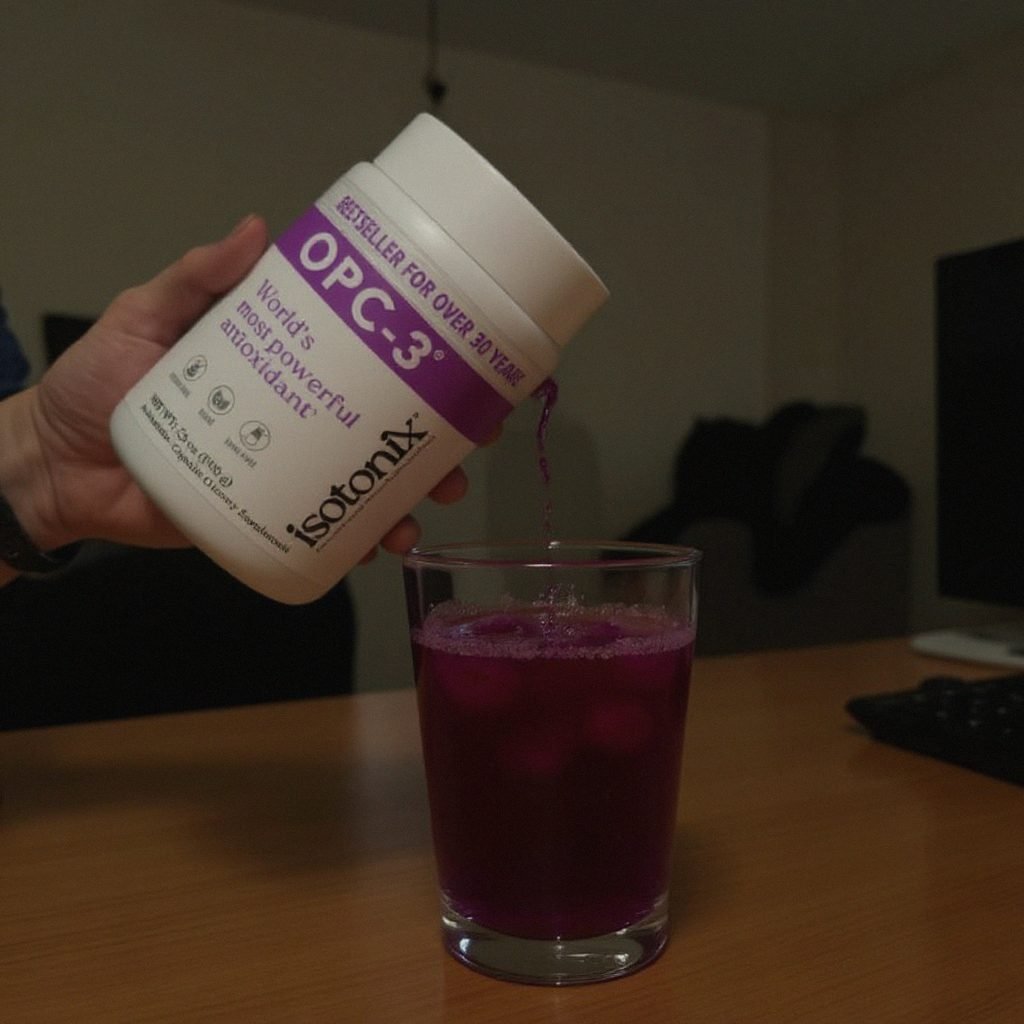
- This is a softgel capsule product, not an isotonic powder drink like OPC-3 or B-Complex — there’s no mixing involved, just two softgels with a meal.
- Vitamin E (D-alpha-tocopherol) is added specifically to keep the oil from oxidizing, which is also what’s behind the “no fishy burps” reviews we see repeated across regions.
Who it’s for (and who should skip it)
This Heart Health Omega review breaks down exactly who gets the most out of it, and who’s better off elsewhere.
Buy it if…
- You’ve tried cheap fish oil before and it repeated on you all afternoon
- You want a real EPA/DHA dose, not a token amount buried in a “fish oil blend”
- You’d rather take 2 softgels with a meal than mix a powder
- You already take other Isotonix products and want heart-health support alongside them
Skip it if…
- You eat fatty fish (salmon, mackerel, sardines) two or more times a week already
- You want the cheapest possible per-capsule fish oil, full stop
- Softgels of any size are hard for you to swallow
- You’re on blood thinners and haven’t talked to your doctor about omega-3 supplements yet
What’s in it: the actual dose
Here’s the simple version: a lot of budget fish oil capsules list “1000 mg fish oil” on the front. They bury the real number in tiny print on the back, where the actual EPA and DHA content turns out to be a few hundred milligrams at most.
The rest is other fatty acids and filler oil that don’t do much for you. What matters is the EPA and DHA number specifically, and that’s where this one is upfront.
In practice: take 2 softgels daily with a meal. Unlike Isotonix’s powder line, there’s nothing to mix here, no water, no empty-stomach timing to plan around.
Sourcing and purity: why small fish matters
The formula leans on one specific sourcing decision: small, short-lived fish instead of large predatory ones. Sardines and anchovies sit near the bottom of the ocean food chain and have short lifespans.
So they’ve had far less time to accumulate mercury and other heavy metals than something like tuna or swordfish, which eat smaller fish for years before ending up in a bottle of oil. That’s a real, well-understood mechanism in fish oil sourcing, not marketing spin.
| Factor | Typical cheap fish oil capsule | Heart Health Essential Omega III |
|---|---|---|
| Fish source | Often unspecified or large species; higher lifetime toxin exposure | Small fish (sardines, anchovies); lower toxin accumulation |
| EPA/DHA transparency | “Fish oil 1000 mg” on front, EPA/DHA split often not broken out | 900 mg EPA + 600 mg DHA stated directly on the label |
| Oxidation protection | Rarely includes an added antioxidant; more prone to the “fish burp” smell | D-alpha-tocopherol (vitamin E) added specifically to slow oxidation |
| Testing | Manufacturer testing only, if any is disclosed | Tested by the manufacturer and by an independent testing company |
None of this makes the product third-party certified in the way something like IFOS-certified fish oil is. The product page doesn’t publish a heavy-metal test certificate or name the independent testing company. If that documentation matters to you specifically, it’s worth asking Isotonix directly before you buy rather than assuming it from the marketing copy.
What the research actually says about EPA and DHA
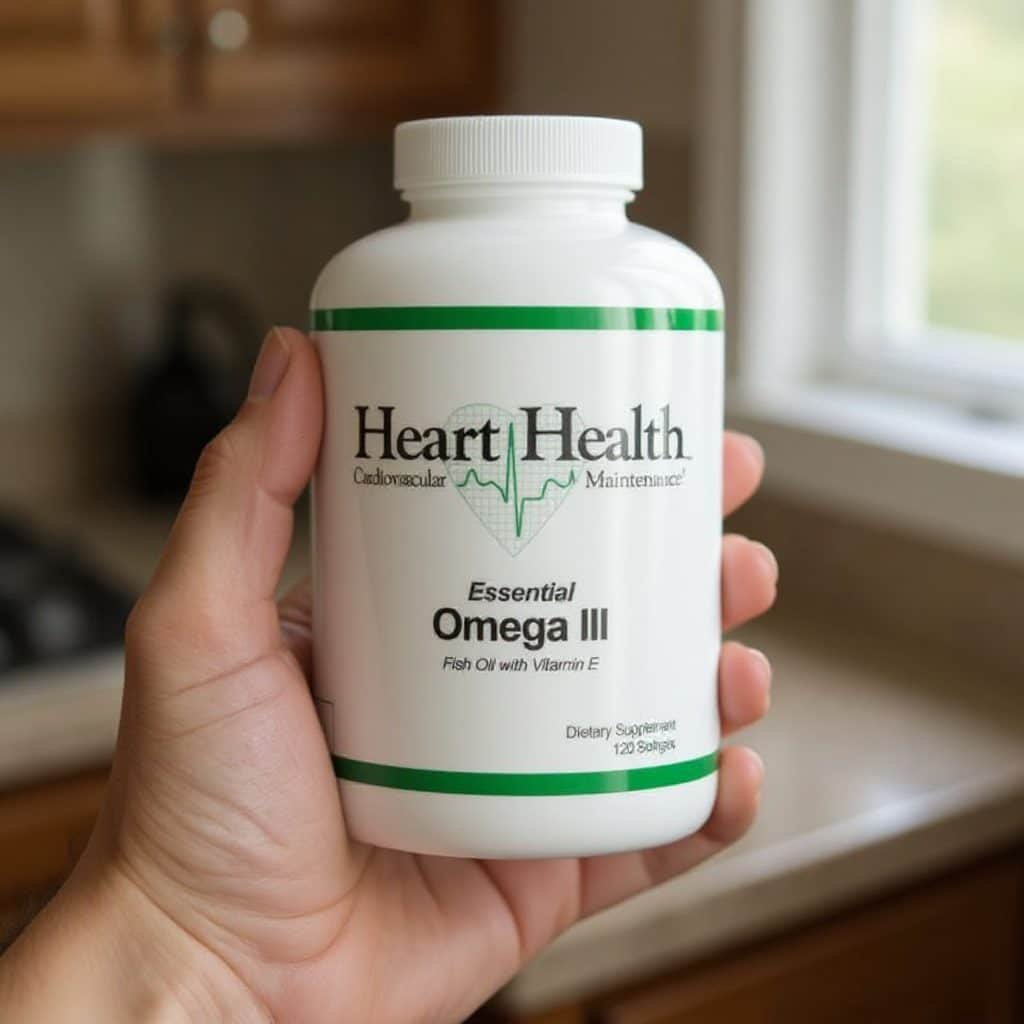
EPA and DHA are the two omega-3 fatty acids most studied for cardiovascular health. According to the FDA, supportive but not conclusive research shows that consuming EPA and DHA may reduce the risk of coronary heart disease. The product’s own labeling repeats that same qualified language rather than overstating it.
The National Institutes of Health’s Office of Dietary Supplements notes that omega-3s from fish and fish oil are linked to supporting healthy triglyceride levels. DHA specifically makes up a meaningful share of the fatty acids in cell membranes in the brain and retina.
From what we see across regions in the customer reviews on this product, the most repeated comment isn’t really about the heart-health claim at all — it’s about the smell and aftertaste. Multiple reviewers across the US, Canada, Singapore, and Malaysia pages specifically call out the lack of “fishy burps,” which lines up with the added vitamin E doing its job of slowing oxidation.
vs a cheap generic fish oil capsule
| Heart Health Essential Omega III | Generic drugstore fish oil | |
|---|---|---|
| EPA + DHA per serving | 900 mg + 600 mg (label-stated) | Often 300–500 mg combined, sometimes lower |
| Fish source disclosed | Yes: sardines and anchovies | Often not specified |
| Added antioxidant | Vitamin E included | Varies by brand |
| Cost per bottle | $69.95 (premium) | Usually under $20 |
The price gap is real and worth naming plainly. What you’re paying for is a disclosed, higher EPA/DHA dose and a sourcing decision that lowers toxin exposure, not a fundamentally different molecule.
If your budget is tight and you just want baseline omega-3 coverage, a reputable drugstore brand with a published EPA/DHA breakdown can still do the job. This one is for people who’ve already tried the cheap option and either couldn’t tolerate it or wanted a meaningfully higher dose.
Frequently asked questions
This section contains affiliate links — we may earn a commission at no extra cost to you. See our full evaluation policy at the end of this guide.
Is this an isotonic drink like Isotonix OPC-3?
How much EPA and DHA does one serving actually contain?
Why does it claim to have less fishy aftertaste?
Can I take this alongside Isotonix OPC-3 or B-Complex?
Is fish oil a substitute for cholesterol or blood pressure medication?
Our verdict, plus where to buy
“A genuinely high EPA/DHA dose from small, lower-toxin fish, in a capsule that doesn’t repeat on you.”
The 900 mg EPA / 600 mg DHA dose and the sardine-and-anchovy sourcing are the real story here, not an isotonic claim, since this is a straightforward softgel. It costs more than a drugstore fish oil, but the label is honest about what’s in it.

Related reading
-
 ReviewIsotonix OPC-3 reviewThe flagship antioxidant formula. Four extracts, isotonic form, strong research base.
 -
 ReviewIsotonix Calcium Plus reviewCalcium, D3, magnesium and vitamin C as an isotonic drink instead of a chalky tablet.
 -
 ReviewIsotonix Activated B-Complex reviewAll 8 B vitamins in the forms your body can use immediately, no conversion step required.
 -
 ReviewIsotonix Daily Essentials reviewFour Isotonix products bundled at a 15% discount. Is the stack worth buying together?
 -
 ComparisonIsotonix vs capsules: what actually mattersMost capsule buyers absorb less than they paid for. Here’s what isotonic actually changes.
 -
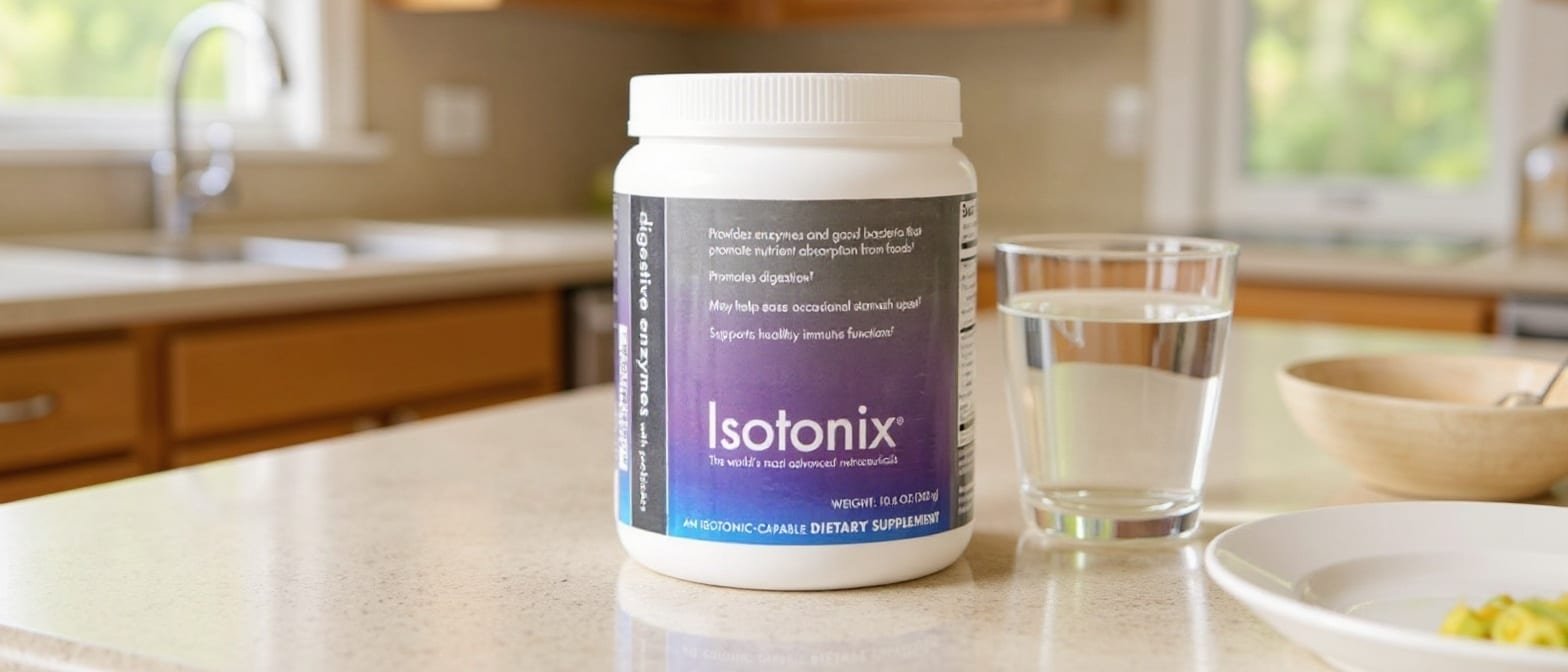 ReviewIsotonix Digestive Enzymes reviewFive enzyme classes in isotonic form. Does the delivery advantage hold up for digestion?
Sources
- Omega-3 fatty acids overview, EPA/DHA and cardiovascular research: NIH ODS on Omega-3 Fatty Acids.
- Fish oil sourcing and contaminant considerations: Examine.com on Fish Oil.