 Inspire
Is Isotonix Prenatal Safe During Pregnancy?
Before you take anything new while pregnant, you want a straight answer on what’s in it, what it interacts with, and what to actually ask your OB — not marketing copy. Here’s the ingredient-by-ingredient safety picture.
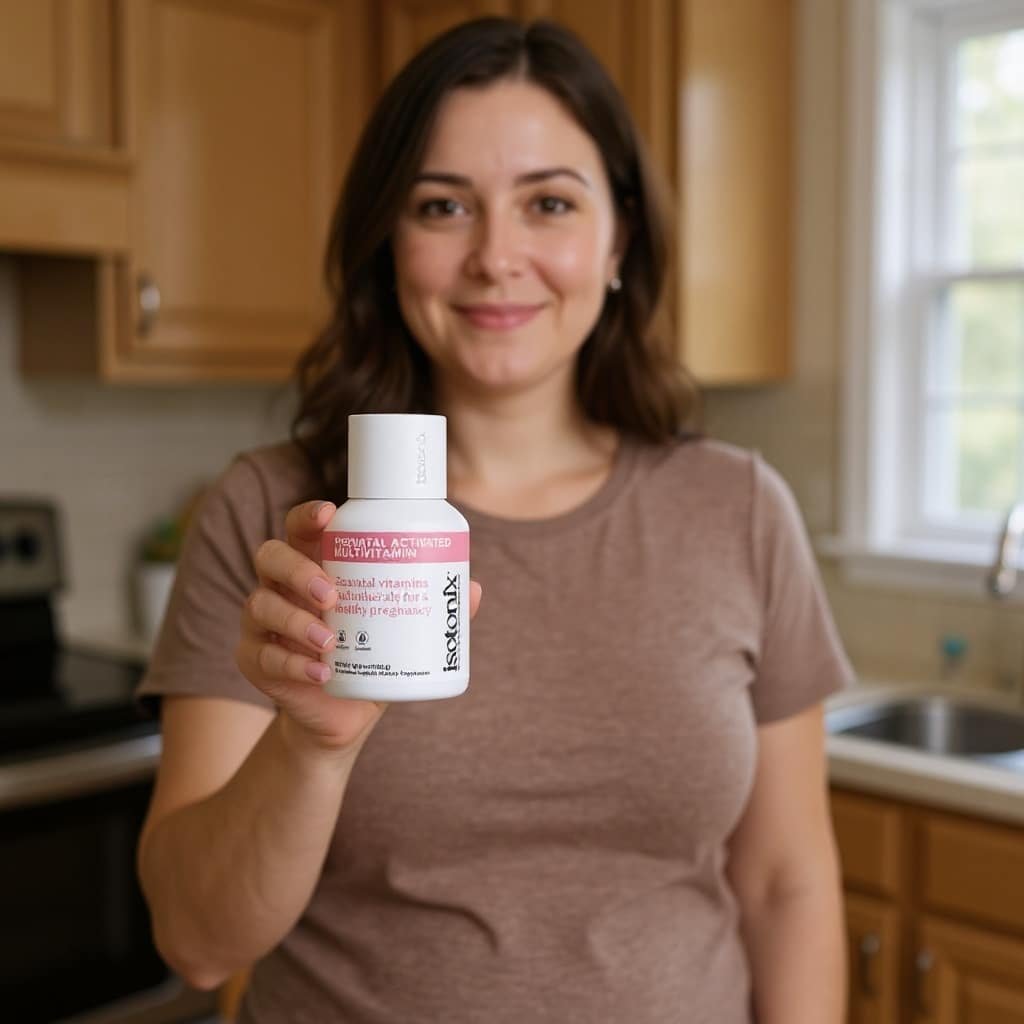
our rating
What supports safety here
- Every core ingredient (folate, iron, calcium, vitamins A/C/D/E, B-complex) is a standard, well-researched prenatal nutrient, not an exotic addition
- Folate is provided as Quatrefolic at 810 mcg, above the FDA-referenced 400 mcg baseline for neural tube defect risk reduction
- No stimulants, herbal blends, or added sugar in the formula
- FSA/HSA eligible, which typically requires meeting standard supplement manufacturing documentation
What still needs your OB’s input
- Anyone with a diagnosed iron overload condition (e.g., hemochromatosis) should confirm iron dosing with their doctor first
- If you’re already taking a prescribed prenatal or separate iron/calcium supplement, ask before doubling up on any nutrient
- Always disclose every supplement you take at prenatal appointments, even ones that feel routine
- Only available through the US and Taiwan Isotonix stores — confirm before ordering if you’re elsewhere
Key takeaways
- Every ingredient in this formula is a standard prenatal nutrient at typical prenatal-range doses — there’s nothing exotic or unregulated in it.
- The two ingredients worth flagging with your OB specifically are iron (if you have a diagnosed iron-overload condition) and folate (if you’re already taking a separate folate/folic acid supplement, to avoid doubling up).
- It carries the same FDA-reviewed folate claim language required on any prenatal multivitamin sold in the US.
- This article is general information, not medical advice — always confirm any new supplement with your OB or midwife, especially in a high-risk pregnancy.
Ingredient-by-ingredient safety
The honest answer to “is this safe” is almost always “safe compared to what, and safe for whom” — so here’s each core ingredient with what it actually does and the one thing worth double-checking.
| Ingredient | Amount | What it’s for | Talk to your OB if… |
|---|---|---|---|
| Quatrefolic® Folate | 810 mcg | Neural tube defect risk reduction (FDA-reviewed claim) | You’re already taking a separate folate/folic acid supplement |
| SunActive® Iron | 20 mg | Supports increased blood volume and prevents deficiency anemia | You have hemochromatosis or another iron-overload condition |
| Calcium & Vitamin D | Standard prenatal range | Fetal bone/tooth development, maternal bone density | You take a separate calcium supplement or antacid regularly |
| Vitamin A | Standard prenatal range | Fetal organ and immune development | You take any other vitamin A or retinoid-containing product |
| B-Complex (8 vitamins) | Standard prenatal range | Energy metabolism, nervous system development | Rarely an issue — water-soluble, low overdose risk |
Amounts per the official product label. This table is general information, not a substitute for a conversation with your OB or midwife about your specific pregnancy.
Does it matter which trimester you start in?
Folate needs are highest in the earliest weeks of pregnancy, often before many people know they’re pregnant — which is why the standard medical guidance is to start a prenatal (or at minimum a folate supplement) before conception if you’re trying, not to wait for a positive test. If you’re already past the first trimester and just switching products, there’s no special waiting period; the more relevant question is simply whether you’re replacing or stacking on top of an existing prenatal.
What to actually ask your OB or midwife
A short, specific list travels better at a prenatal appointment than a vague “is this okay”:
- “I’m considering switching to a prenatal that uses Quatrefolic folate instead of folic acid — any reason not to for me specifically?”
- “Does my current bloodwork suggest I need more or less iron than a standard prenatal amount?”
- “Should I stop my current prenatal/supplement before starting a new one, or is there a safe way to transition?”
- “Is there anything about my pregnancy specifically (multiples, gestational diabetes, prior complications) that changes what I should look for in a prenatal?”
Bring the product label or a screenshot of the ingredient list — it makes the conversation faster and more specific than describing it from memory.
Frequently asked questions
Is it safe to take a mixed-drink prenatal instead of a pill?
Can I take this alongside a prescription prenatal?
Is the iron dose safe for someone with normal iron levels?
Does it contain anything unsafe for pregnancy, like herbs or stimulants?
Where can I actually buy it?
“A standard, well-formulated set of prenatal nutrients — the safety question is really about your specific pregnancy, not this product.”
Nothing in this formula is exotic or high-risk; it’s the same category of nutrients found in any prenatal multivitamin, in forms (Quatrefolic, SunActive) chosen for absorption rather than novelty. The two things worth a two-minute conversation with your OB are iron history and whether you’re stacking it with another supplement.

Related reading
-
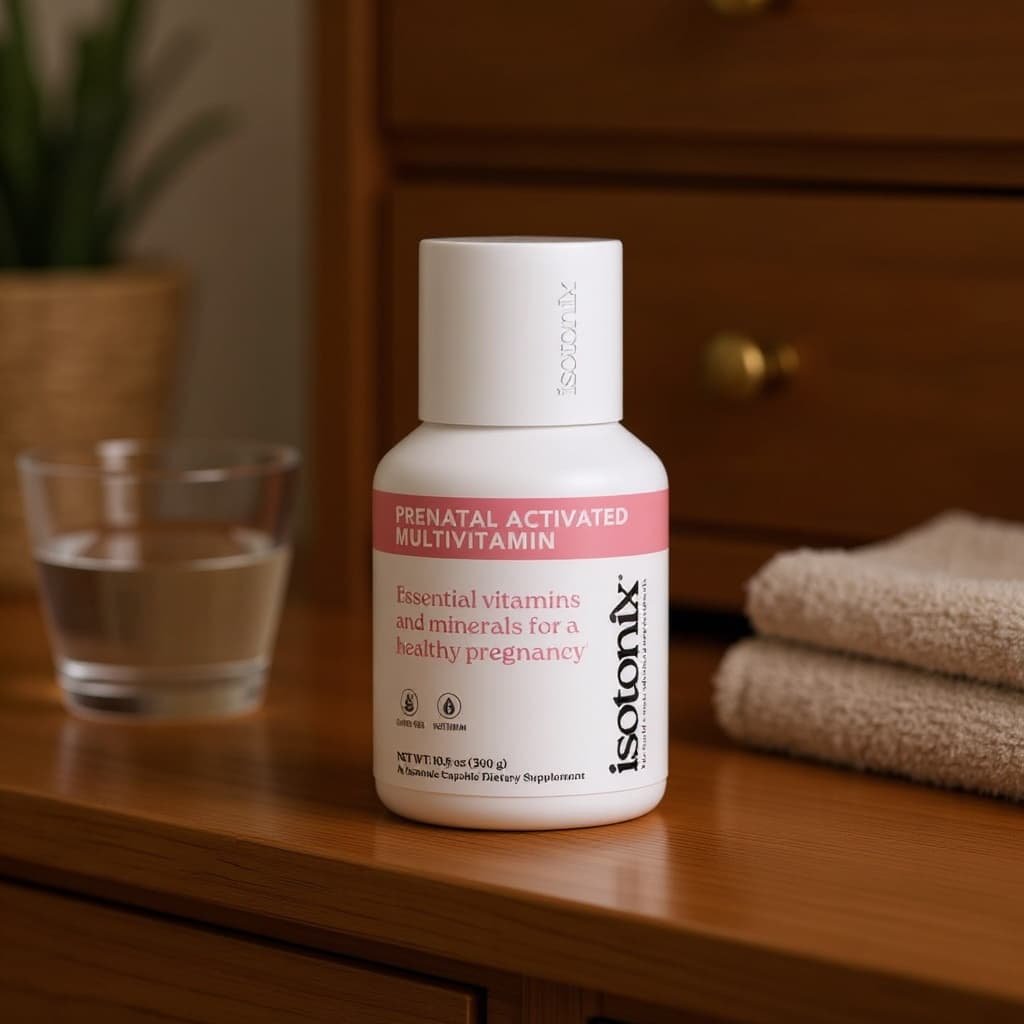 ReviewIsotonix Prenatal Activated Multivitamin ReviewWhat’s actually in it, real dosing, and where it’s sold.
 -
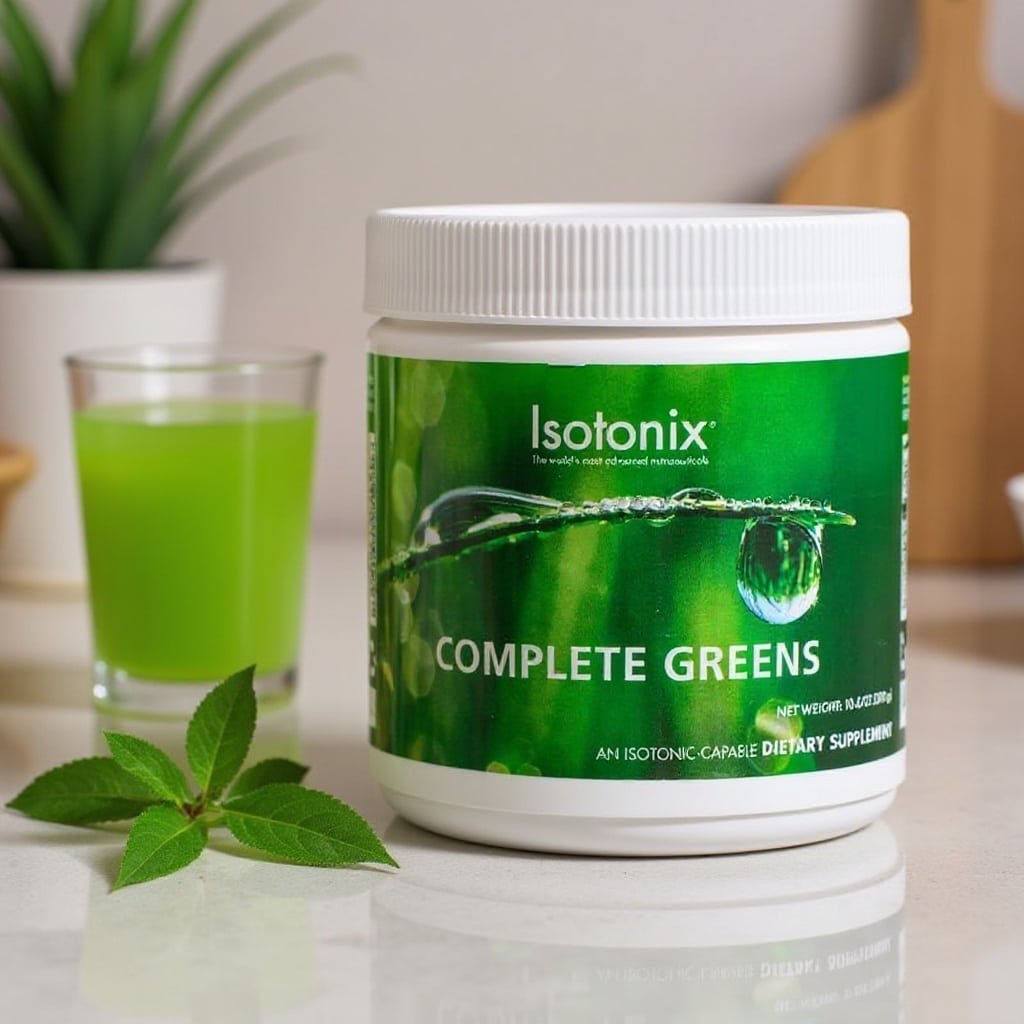 ReviewIsotonix Complete Greens ReviewEight organic superfoods, fully named on the label.
 -
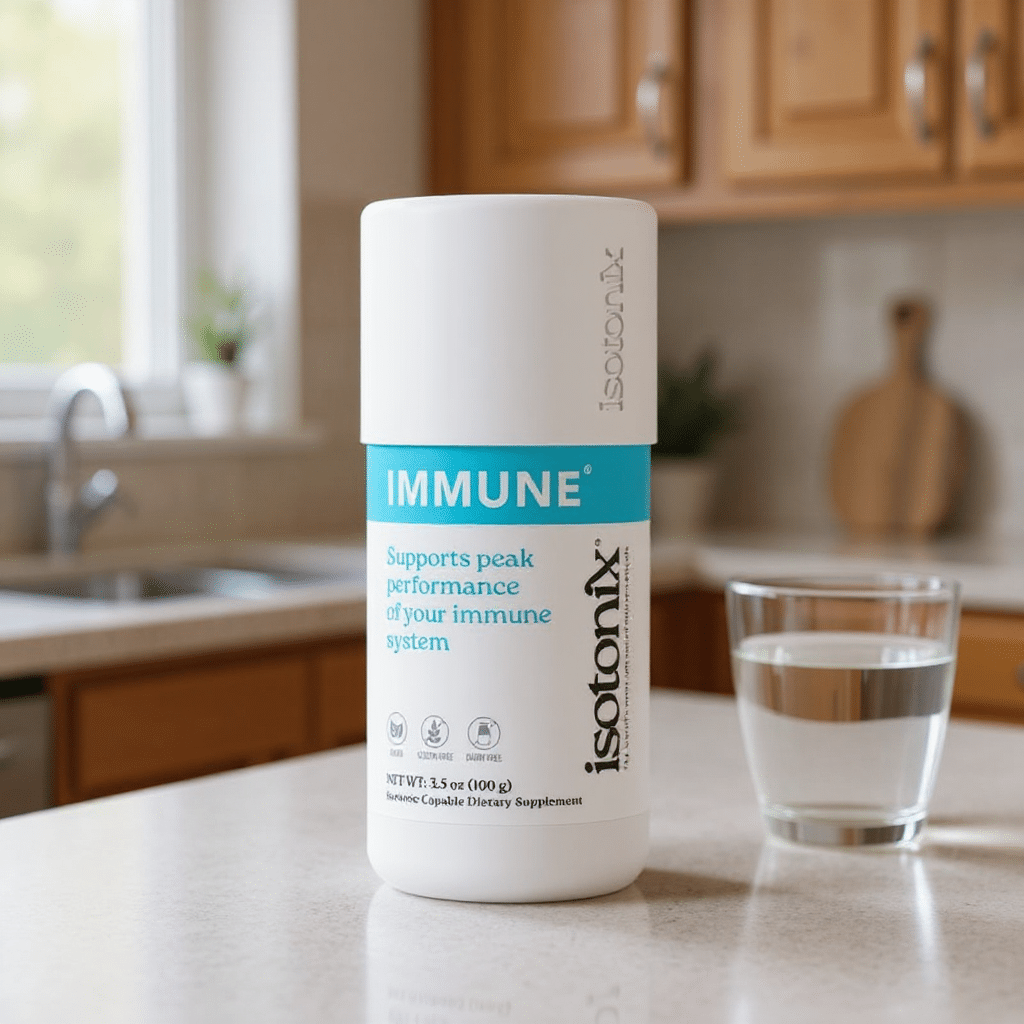 ExplainerIs Isotonix Immune Worth Taking Daily?What’s actually in it and when it earns a spot in your routine.
Sources
- Folate/folic acid safety in pregnancy: NIH ODS on Folate.
- Iron dosing and hemochromatosis caution: NIH ODS on Iron.