 Inspire
Is NutriClean Safe? What’s Actually in the 7-Day Cleanse
“Cleanse” and “detox” are two of the most overused words in supplements. Here’s exactly what’s in this one — ingredient by ingredient, straight from the manufacturer’s own spec sheet — and what six independent medical and dietetic bodies actually say about whether cleanses do what they claim.
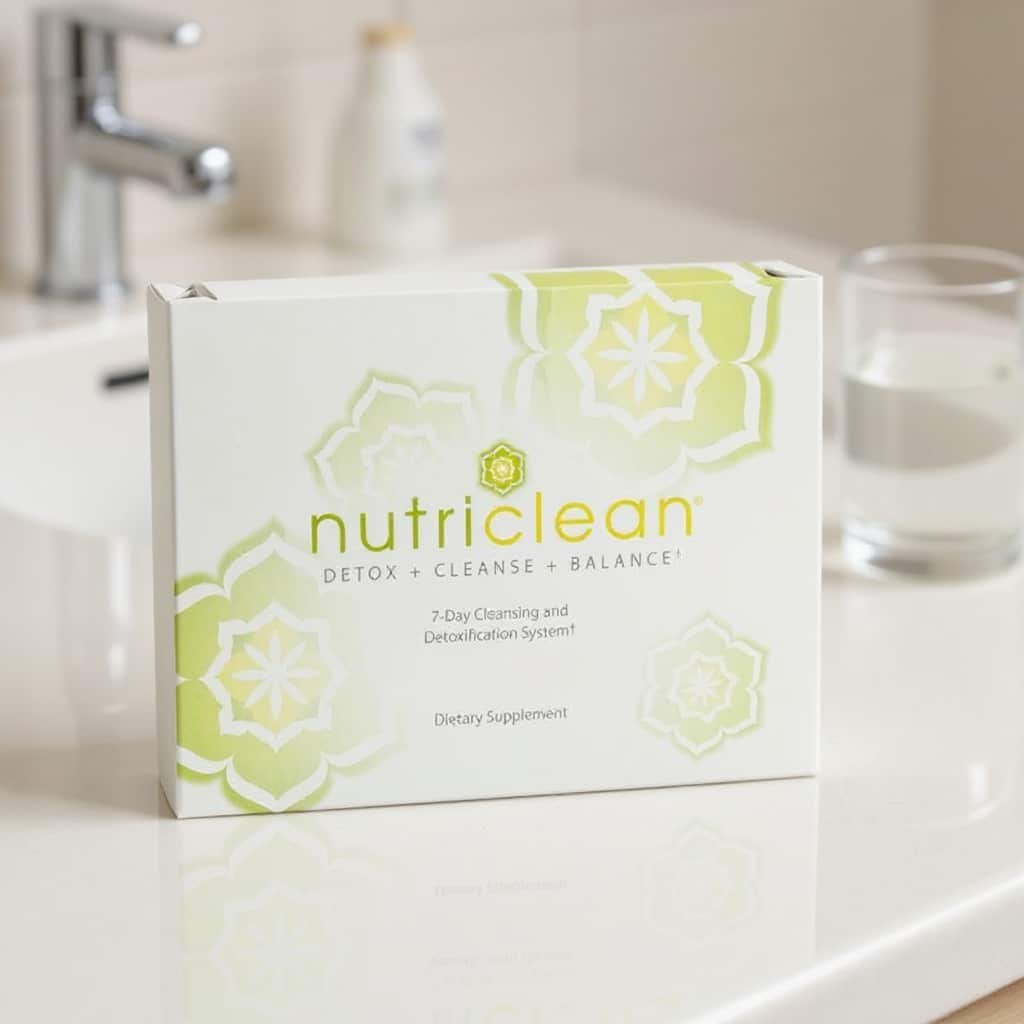
our rating
What we liked
- Full ingredient list and doses are actually disclosed on the official spec sheet, nothing hidden
- 9 g of real fiber (inulin + soluble corn fiber) per serving, plus a small probiotic blend
- The box itself carries an honest disclaimer about chronic constipation and seeing a doctor
- A defined, 7-day structure — more conservative than some cleanse kits that push 2–3 months of use
What to know
- Mainstream medical and dietetic organizations are unanimous: there’s no clinical evidence cleanses remove “toxins”
- Two of the three components (Release, in particular) contain stimulant-laxative botanicals
- Not for pregnant people, anyone with a history of eating disorders, or most people already on regular medication without checking first
- Soluble fiber can bind oral medications — space doses 2–4 hours apart if you take anything daily
Key takeaways
- The kit is three separate products: a fiber powder (AM), Release capsules (AM + PM, contain laxative herbs), and HepatoCleanse capsules (PM, liver-support herbs) — used together for 7 days.
- Six independent medical/dietetic organizations, from the NIH to the British Dietetic Association, agree on the same point: there’s no clinical evidence that commercial cleanses remove “toxins.” Your liver and kidneys already do that job continuously.
- The real, honest benefit here is structured fiber and a short herbal reset — not the “flush out toxins” framing the word “cleanse” implies.
- Real safety issues to know about: laxative-driven GI effects, dehydration/electrolyte risk with heavy use, and fiber binding other medications if taken too close together.
Who it’s for (and who should skip it)
The honest way to think about this product: it’s a structured 7-day fiber-and-herbal program, not a medical detox. Here’s who it actually makes sense for.
Buy it if…
- You want a defined, 7-day structure to reset toward more fiber and more water, not an open-ended program
- You understand “cleanse” here means fiber + herbal support, not literal toxin removal
- You don’t currently take daily medication that soluble fiber could interfere with (or you’re willing to space doses out)
Skip it if…
- You’re pregnant or breastfeeding
- You have a history of disordered eating — cleanse/detox framing can be a real trigger
- You have a digestive condition or are on regular medication and haven’t checked with a doctor
- You experience chronic constipation — the box itself says to see a doctor, not use a cleanse, for that
What’s actually in the box
Here’s the simple version: this isn’t one product, it’s three, meant to be used together for 7 days. We pulled the exact ingredients and doses straight from the official spec sheet rather than the marketing copy, because that’s the part most cleanse reviews skip.
The actual 7-day pattern: mornings, 1 scoop of fiber powder in water plus 2 Release capsules. Evenings, 2 HepatoCleanse capsules plus 2 more Release capsules. Repeat daily for 7 days, with at least 32 oz (ideally 64 oz) of water. That’s a real, printed-on-the-label FDA disclaimer moment worth repeating here too: none of this is evaluated by the FDA to diagnose, treat, cure, or prevent anything.
What “detox” science actually says
This is the section most cleanse marketing skips, so we’re not going to. We checked what mainstream medical and nutrition organizations say about commercial cleanse/detox products generally, independent of any specific brand, and the consensus is unusually unanimous for a nutrition topic:
| Source | What they say about cleanse/detox products |
|---|---|
| NIH / NCCIH | “No compelling research to support the use of ‘detox’ diets for weight management or eliminating toxins from the body.” |
| Klein & Kiat, peer-reviewed review, 2015 | “Very little clinical evidence to support the use of these diets… no randomised controlled trials have been conducted.” |
| British Dietetic Association | “The whole idea of detox is nonsense.” No product outperforms what your organs already do. |
| Harvard Health Publishing | “Very little clinical evidence to support the use of these diets.” |
| Mayo Clinic Press | “Your liver, kidneys and gastrointestinal tract do a good job of detoxing every day.” |
| Cleveland Clinic | Cleanses “are just not likely to do what they say.” |
None of that means the ingredients are useless. Fiber is genuinely good for you at a mechanistic level, and 9 g in one serving is a real, meaningful amount. What the honest read requires is separating “this contains real fiber and some traditional herbs” from “this removes toxins your body couldn’t handle on its own” — the second claim just isn’t supported, by any of the six sources above, and your liver and kidneys are already doing that job around the clock without a 7-day kit.
Safety: what to actually watch for
The real safety story here isn’t about toxins, it’s about the mechanical effects of a fiber-and-laxative-herb regimen:
- GI effects and dehydration. The NCCIH specifically warns that cleanse programs “may include laxatives, which can cause diarrhea,” and that “acute diarrhea can lead to dehydration and malabsorption.” The Release capsules in this kit contain cascara sagrada and buckthorn bark, both classic stimulant-laxative botanicals.
- Electrolyte imbalance. Harvard Health notes that daily laxative regimens can “deplete electrolytes and impair normal bowel function.” Drink the full recommended water amount, and don’t extend the program past 7 days without talking to a doctor.
- Medication interactions. 9 g of soluble fiber per serving can bind other oral medications in your gut and reduce how much you absorb. The standard clinical guidance is to space fiber and medication doses 2–4 hours apart, especially for thyroid, diabetes, cholesterol, seizure, and blood-thinning medications.
- Who should check with a doctor first. Pregnant or breastfeeding people, anyone with a history of disordered eating, diabetics, older adults, and anyone managing a digestive condition or taking regular medication.
The product box itself includes a genuinely honest disclaimer: it’s not intended for chronic constipation, and if you have that, the instruction is to see a doctor rather than use this kit. That’s a fair, appropriately cautious line for the manufacturer to draw.
Frequently asked questions
Does NutriClean actually remove toxins from my body?
What’s actually in the kit?
Is it safe?
Can I take my regular medication while using it?
Why does the box say to see a doctor for chronic constipation?
“Real fiber and a defined 7-day structure, honestly undercut by the word “cleanse” itself.”
Strip away the detox framing and this is a fiber powder plus two herbal capsule blends, with every ingredient and dose disclosed. That part is fine. The “toxin removal” premise the whole cleanse category leans on isn’t supported by any of the six independent medical bodies we checked, so go in expecting a fiber-and-herb reset, not a detox.

Related reading
-
 ReviewDNA Miracles Review: Are They Legit Kids’ Vitamins?A strain-by-strain, ingredient-by-ingredient honest look at the kids’ line.
 -
 ComparisonIsotonix vs capsulesMost capsule buyers absorb less than they paid for.
 -
 ReviewIsotonix Digestive Enzymes reviewFive enzyme classes in isotonic form. Does the delivery advantage hold up?
Sources
- What the evidence actually shows on detox products: NIH NCCIH on Detoxes and Cleanses.