 Inspire
Premier Tech MYKE Review: 5 Transplant Results That Surprise Buyers (2026)
Five things that surprise most buyers about Premier Tech MYKE, from root branching you can actually see to the one placement rule that decides whether it works at all.
Updated June 2026 · 5 min read · ✓ Fact-checked
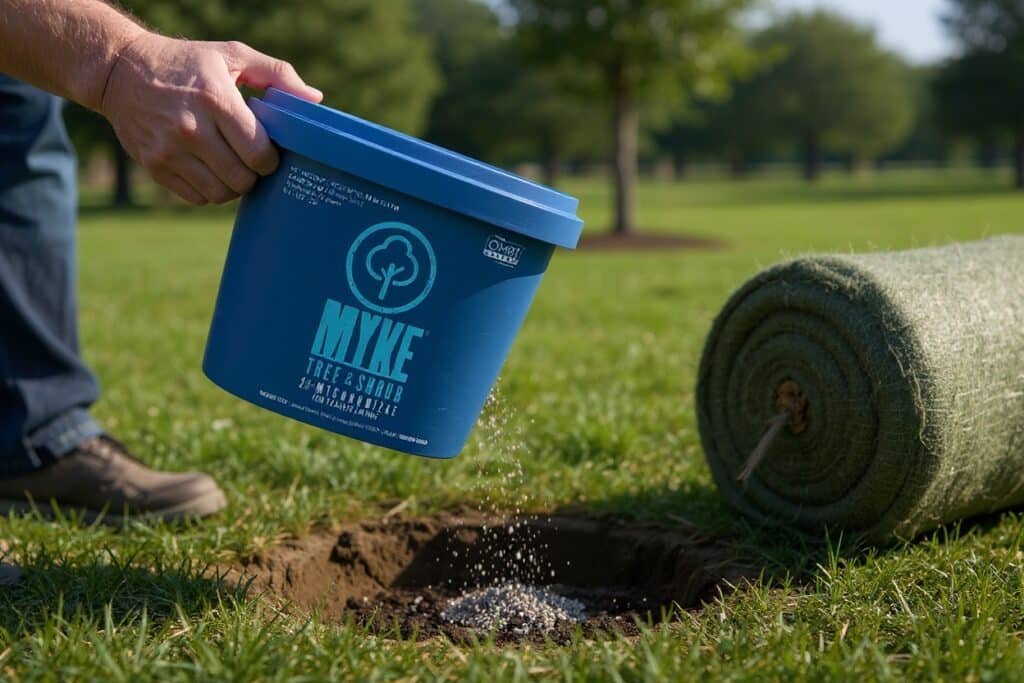
Yes, if you’re transplanting into containers or sterile potting mix and you place it on the roots. We rate it 4.4 out of 5: strong on ease of use, a bit behind on evidence since results depend heavily on correct placement. In rich, in-ground soil that already grows everything well, MYKE is often unnecessary. One thing to reset up front: this isn’t fertilizer. It won’t push leaf growth overnight. It helps roots establish and feed more efficiently over time.
Key takeaways
- Placement decides everything: dust it directly on the root ball, don’t mix it loosely into the pot.
- Root branching is the one result you can actually see. Check it next time you pot up a size.
- Applied correctly, it costs $0.08 to $0.24 per transplant. Most people who call it expensive are overapplying.
- Skip it on established, undisturbed plants. There’s no fresh root disturbance for it to help with.
The verdict
MYKE vs MYKOS: quick buyer table
| MYKE | MYKOS | |
|---|---|---|
| Best for | Transplant-focused routine, mainstream availability | Container transplant habit, easy to repeat |
| Most common mistake | Sprinkling through the potting mix | Overapplying because it feels safe |
| What we’d do | Dust the root ball, add a small pinch in the hole, then stop. | |
| Full comparison | MYKE vs MYKOS → | |
What changes, and what doesn’t
1Less transplant stall
This is the most common win. In containers, stall is usually a mix of root disturbance, dry pockets in the mix, and inconsistent moisture. Placed correctly, most plants get going sooner instead of sitting for a week.
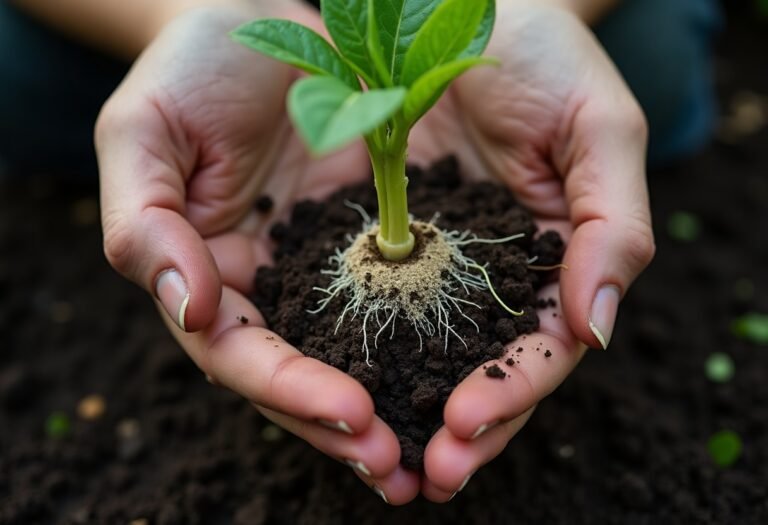
2More root branching you can actually see
This is the real proof. Pot up a tomato from a 3-gallon to a 7-gallon container and you’ll often see more early root fill and branching than on an untreated plant.
3It does more where biology is missing
In a sterile, peat-based mix, you’re starting from zero biologically, and MYKE gives you a head start. In a living garden bed, the gap is smaller.
4No 48-hour miracle above the soil
This catches buyers off guard. You won’t apply MYKE and see a growth spurt in two days. Expect that and you’ll be disappointed, and tempted to add more. Don’t.
5Results depend on placement, not vibes
MYKE doesn’t roam the pot hunting for roots. Skip the root ball and it can’t reliably colonize. That’s the whole game.
MYKE for tomatoes in containers: where it actually helps
MYKE for tomatoes makes the most sense when you’re doing one of these:
- Transplanting tomatoes into 3-gallon to 10-gallon containers
- Using fresh potting mix that’s mostly peat or coco
- Growing a short-season crop where early establishment matters
- Feeding lightly early and relying on the root system to do more work
Tomatoes are also a high-value transplant. Lose momentum in the first two weeks and you’ll feel it all season. That’s why this converts well as a product decision.
Root ball placement: the only way MYKE reliably works
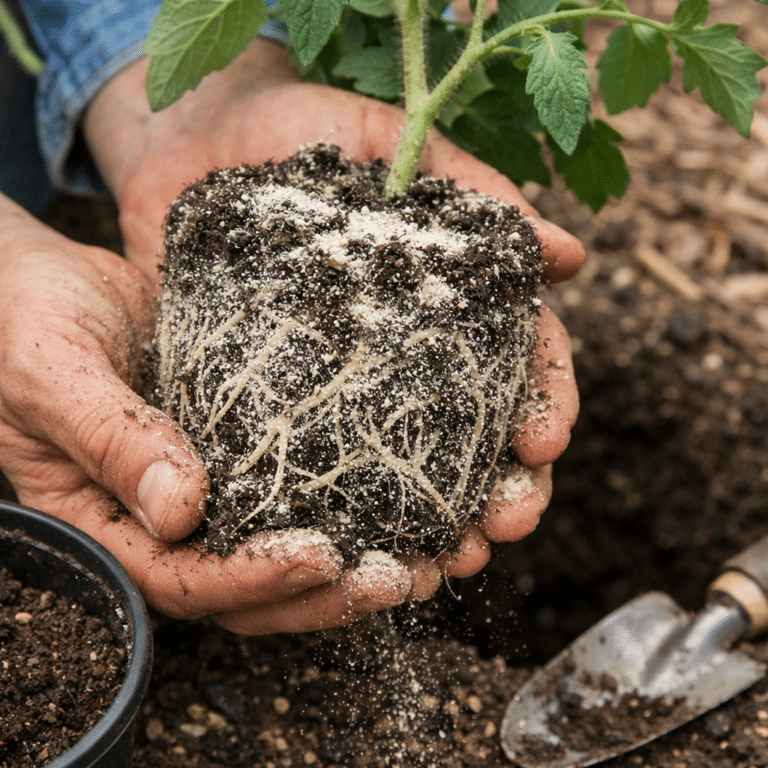
Here’s the simplest routine that avoids wasting product:
- Moisten the root ball lightly so granules stick.
- Dust MYKE on the outside of the root ball, aiming for contact rather than a thick layer.
- Add a small pinch in the hole where roots will sit.
- Backfill, press gently, and water in normally.
Cost per transplant: the real math
Most shoppers guess cost per transplant wrong because they overapply. Here’s a practical way to think about it:
- Small transplants (1 to 3 gallon): about 1 to 2 grams
- Medium containers (5 to 7 gallon tomatoes): about 2 to 4 grams
- Large containers (10 gallon): about 4 to 6 grams if you’re being generous
A 500 g bag costs $20 to $30 CAD. That’s 250 transplants at 2 g each, or 125 at 4 g each. Cost per transplant: roughly $0.08 to $0.24 in the disciplined range.
Dump in handfuls per pot, and cost per transplant can jump past $0.35. Then people blame the product instead of the technique.
When Premier Tech MYKE shines
- Container tomatoes, peppers, cucumbers, and high-value annuals
- Fresh potting mix or soilless mixes
- Plants that sulk after transplant
- Gardeners who want a transplant habit they can repeat
MYKE is best treated as a transplant tool, not a general soil additive.
When MYKE is unnecessary, or low impact
- Healthy in-ground beds with years of compost and mulch
- Established perennials that aren’t being disturbed
- Direct-seeded crops
- Situations where watering swings are the real problem
If your plants die from drought every weekend, mycorrhizae isn’t the villain or the hero. The watering schedule is.
Can you use too much MYKE?
Yes, but for most transplants, too much looks like wasted product, not burned roots. The fungi needs root contact to colonize. Extra product scattered through the pot doesn’t automatically create more colonization.
Want the deeper explanation and the overuse signs list? Read Can you use too much mycorrhizae?
Overapplication usually happens when people expect instant results and keep adding more. That’s like taking a second shower because the first one didn’t make you taller.
Frequently asked questions
Is Premier Tech MYKE worth it for container tomatoes?
Usually, yes. In containers and sterile mixes, MYKE is most likely to reduce transplant stall and help early root fill. The key is applying it directly on the root ball at transplant.
How long until MYKE transplant results show up?
Most people notice a difference in 10 to 21 days, often when the plant resumes steady growth or when you pot up and see the root branching.
Can you overapply MYKE and harm plants?
In most transplants, overapplying is mainly a waste problem. It doesn’t usually burn plants the way fertilizer can. The bigger risk is wasting product by missing root contact.
What’s the best way to apply MYKE at transplant?
Moisten the root ball lightly, dust MYKE directly on the roots, add a small pinch in the hole, then backfill and water in normally.
Should I reapply MYKE every watering?
Usually not. Treat it as a transplant tool and save it for repotting or the next transplant, when you can guarantee root contact again.
Bottom line
For container and potting-mix transplants where you’re willing to dust it right on the root ball, MYKE is a cheap, low-effort insurance policy. For an established bed that’s already thriving, save your money.
Related reading
-
 Plant Care & GardeningGaia Green 4-4-4 vs 2-8-4: Which Fertilizer Should You Use First?Gaia Green 4-4-4 vs 2-8-4: which organic fertilizer is right for your garden? The key difference is phosphorus, and when you switch matters more than most guides admit.
 -
 Plant Care & GardeningMosquito Dunks for Standing Water: 6 Pack vs 20 Pack (What We’d Buy)Mosquito Dunks for standing water: 6-pack vs 20-pack compared — which size to buy, how many you need per season, and how to apply them without wasting product.
 -
 CanadaBest Mosquito Control for Standing Water in Canada (Homeowner Guide)Best mosquito control for standing water in Canada: 5 tested options ranked by effectiveness, safety near wildlife, and value. Includes biocontrol and chemical picks.