 Inspire
Does Mycorrhizae Work in Hydroponics? The Real Answer for DWC, RDWC & Coco Growers
Updated June 2026 · 6 min read · ✓ Fact-checked
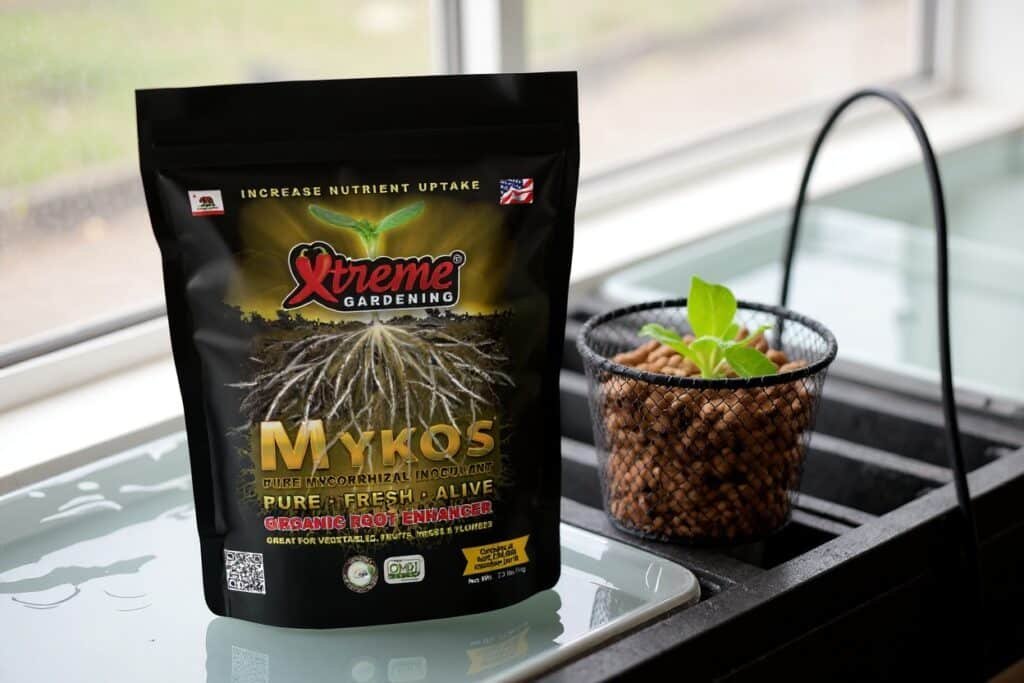
Mycorrhizae works when it touches roots and has something stable to hold onto. In coco and soilless mix, that is easy, the medium gives fungi a surface to colonize. In deep water culture, they are floating in highly oxygenated water with nothing to grab, so most of what you would pay for washes out with the next reservoir change.
Mycorrhizae is a root-contact product, not a hydroponics product. Use it at transplant into coco or soilless mix and it earns its keep. Skip it entirely in sterile DWC or RDWC with frequent reservoir changes — there’s nothing stable for it to colonize. In drip systems to coco or rockwool, it can work at transplant, just never mix granular inoculant into a recirculating line.
Key takeaways
- The honest answer is system-specific: yes for coco and soilless mix, usually no for DWC/RDWC, sometimes for drip.
- Highly aerated water is the actual enemy in DWC, not the product. Fungi need a stable surface to attach to, not just wet roots.
- Granular inoculant mixed into a reservoir risks clogging and buildup. That’s a real maintenance problem, not just wasted product.
- If you’re running sterile DWC with frequent reservoir changes, skip it entirely. There’s nothing for it to hold onto.
Our picks
Does mycorrhizae work in hydroponics? Quick summary by system
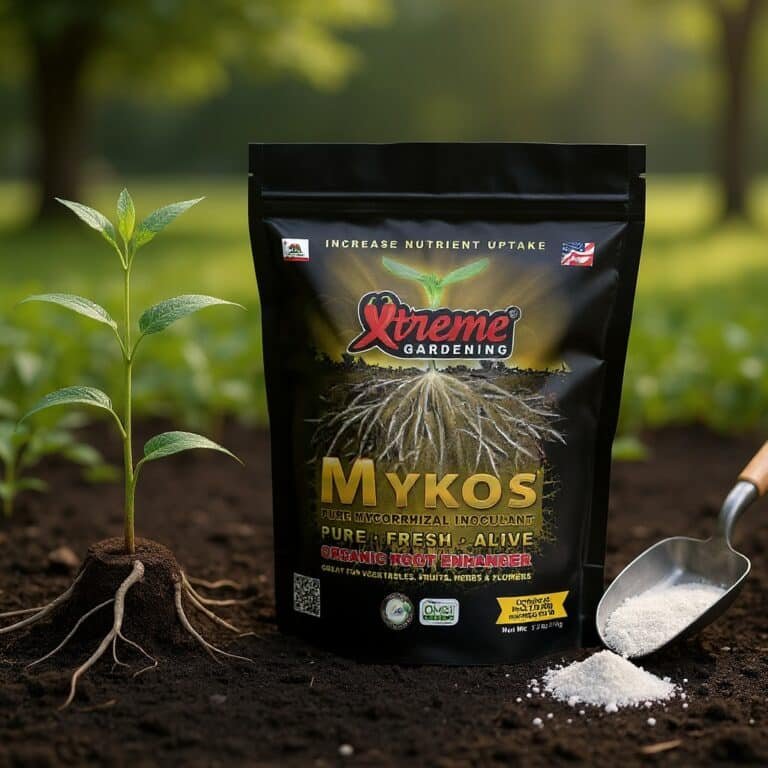
- Coco coir: Yes. Very effective if applied at transplant.
- Soilless potting mix: Yes. Root contact is easy.
- DWC / RDWC: Usually no long term colonization.
- Drip hydro: Sometimes. Placement and filtration matter.
Most confusion comes from mixing up coco with true hydroponics. Coco behaves more like soil than water culture.
Why root contact matters more than product brand
Mycorrhizae are living fungi. They must attach to roots and colonize them. In soil or coco, they stay near the root zone. In deep water culture, they float around in highly oxygenated water with no stable surface.
No contact. No colonization. No benefit.
This is the same reason we emphasize root placement in our MYKOS vs DYNOMYCO comparison. The medium determines success more than the label.
Mycorrhizae in coco vs hydro
This is where buyers get tripped up.
Mycorrhizae in coco vs hydro isn’t the same conversation.
Coco has structure. It holds moisture. It provides surface area. Fungi can colonize roots just like they would in soil. If you are growing fruiting crops in containers, especially tomatoes, see our full breakdown here: Best Mycorrhizae for Tomatoes in Containers. That guide explains transplant timing and root contact in detail.
In coco, most growers notice:
- Less transplant stress
- Faster early root expansion
- More stable early growth
In DWC, the fungi are suspended in water that’s constantly circulating and oxygenated. Colonization is inconsistent at best.
That difference matters.
Does mycorrhizae work in DWC or RDWC?
In most DWC and RDWC systems, the answer is no for long term benefit.
Here is why:
- Highly aerated water disrupts fungal attachment
- No stable substrate for colonization
- Reservoir turnover reduces persistence
- Mechanical filtration removes spores
Some growers report short term root stimulation. That is possible. Long term symbiosis is less reliable.
If you are running sterile hydro, adding mycorrhizae often conflicts with that strategy.
That catches a lot of buyers off guard.
Drip systems and clogging risk
Drip hydro sits in the middle.
If you are using drip to coco or rockwool, mycorrhizae can work at transplant. But mixing granular inoculant directly into a reservoir can create buildup.
One thing to watch is emitter clogging.
Fine powders can accumulate. Granular forms should never go into recirculating lines.
If you expect it to behave like bottled nutrients, that isn’t how fungi work.
When to skip mycorrhizae entirely
Skip it if:
- You are running sterile DWC with frequent reservoir changes
- You rely on heavy mechanical filtration
- You can’t apply directly to roots during transplant
Use it if:
- You transplant into coco or soilless media
- You want stronger early root establishment
- You value transplant insurance more than sterile water clarity
Premium growers pay for risk reduction. That is where this product shines.
The Bottom Line
Mycorrhizae is not a hydroponics product, it is a root-contact product. Use it at transplant into coco or soilless mix and it earns its keep. Skip it entirely in sterile DWC or RDWC with frequent reservoir changes, there is nothing stable for it to colonize. In drip systems to coco or rockwool, it can work at transplant, just never mix granular inoculant into a recirculating line.
Frequently asked questions
Can I add mycorrhizae directly to a DWC reservoir?
You can, but colonization is unreliable. Direct root application during transplant is far more effective.
Is coco considered hydroponics?
Coco is technically soilless but behaves closer to soil in terms of microbial life and fungal colonization.
Will mycorrhizae clog drip lines?
Granular forms should not be added to reservoirs. Fine powders can accumulate if filtration is weak.
Related reading
-
 Home Care & DIYWhat Not to Use Bar Keepers Friend On (7 Surfaces to Avoid)What not to use Bar Keepers Friend on: 7 surfaces the oxalic acid formula can damage — including some that surprised us. Know these before you grab the can.
 -
 Home Care & DIYBar Keepers Friend Soft Cleanser vs Bon Ami: Which Is Safer for Glass?Bar Keepers Friend Soft Cleanser vs Bon Ami: which is safer for glass surfaces? We compare abrasive level, ingredients, and real results on stove tops and shower doors.
 -
 Home Care & DIYHow to Clean Glass Without Scratching (Safe, Foolproof Method)How to clean glass without scratching: rinse off grit first, use clean microfiber, keep pressure light. Most scratches come from friction — not from the cleaner itself.