 Inspire
Biosak Compost Bags Review: 2 Best Sizes for Canadian Green Bins (2026)
If you want fewer leaks, the brand matters, but the size and timing matter more.
Updated June 2026 · 6 min read · ✓ Fact-checked
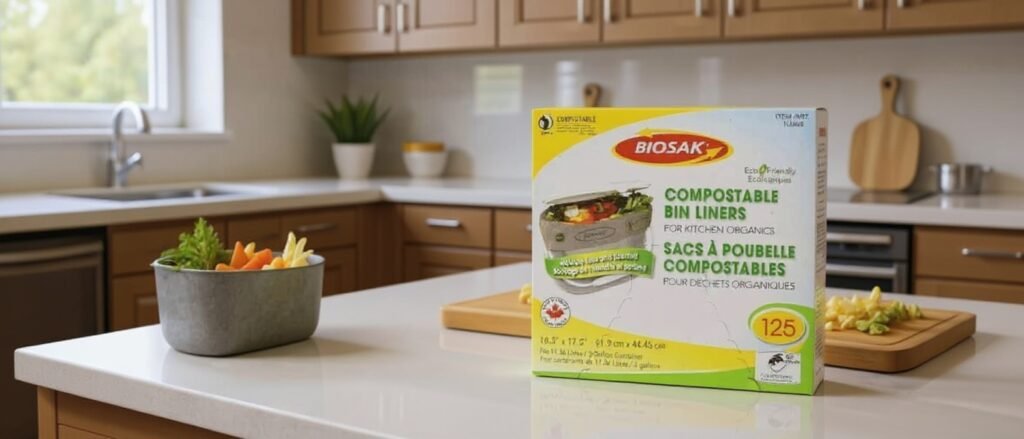
Biosak compost bags review (2026): If you want compost bags that leak less in real Canadian kitchens, the brand matters, but the size and timing matter more. Most households do best with BIOSAK 11.3L (3 gallon) for kitchen caddies and BIOSAK 24 x 30 for outdoor green bins, then changing bags every 1 to 3 days for wet scraps (coffee grounds, fruit peels, cooked leftovers).
Quick truth: compostable bags are on a timer. BIOSAK doesn’t make the timer disappear. It just gives you more margin before the bottom seam starts to soften.
Key takeaways
Municipality rules vary a lot. Some cities don’t accept compostable liners in the green bin at all, so check your city’s page before assuming any bag works. Size mismatch causes more “leaks” than the bag material does, too small stretches the seams, too big sags and tears on lift-out.
A dry layer at the bottom, a folded paper towel or a scrap of flyer paper, meaningfully extends how long a bag holds before it softens. Freezing the wettest, smelliest scraps until collection day is a simple trick most households never try.
Our picks
This section contains affiliate links — we may earn a commission at no extra cost to you. See our full evaluation policy at the end of this guide.


Product links in this section are affiliate links.
Fast decision table
| Your situation | Buy this |
|---|---|
| Kitchen caddy leaks by day 2 to 4 | BIOSAK 3 gallon 11.3L (100 count) |
| Green bin is always filthy | BIOSAK 24 x 30 green bin liners |
| You want easy in-store option | Glad 10L compostable bags |
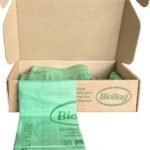
| You want a certified classic baseline | BioBag 2.6 gallon |
| You want paper style for wet grounds | Bag to Earth 3 gallon food waste bags |
| You want more bags per box | Bag-To-Nature 3 gallon (130 count) |
Quick verdict: are BIOSAK compost bags worth it?
- Yes if you want thicker liners that feel less flimsy than many high-count boxes.
- Yes if you hate washing your green bin and want a liner that makes lift-out easier.
- No if you regularly leave wet compost sitting 5 to 7 days in a warm kitchen.
If your main issue is “it leaks on day three,” BIOSAK usually improves that, but the biggest win is still your routine: empty more often for wet loads.
Which BIOSAK size should you buy?
- BIOSAK 11.3L (3 gallon): kitchen caddies, under-sink bins, countertop compost pails.
- BIOSAK 24 x 30: outdoor green bins (curbside organics carts).
Most “brand fails” are actually size fails. Too small stretches seams. Too big sags and can tear when you lift out a heavy wet load.
Why compostable bags leak after a few days (the boring truth)
Compostable bags are designed to break down. That means they aren’t meant to be moisture-proof the way normal plastic is.
Leaks usually come from:
- Moisture load: coffee grounds, fruit scraps, cooked food waste, thawed frozen foods.
- Time: day 3 to 5 is where many liners start weakening (especially in warm kitchens).
- Seam stress: overfilling stretches the bottom seam. That is where most “random leaks” begin.
If you want the short takeaway: BIOSAK reduces the risk, but it can’t beat wet scraps left too long.
7 leak prevention rules (simple, slightly annoying, very effective)
Empty more often: wet scraps usually mean every 1 to 3 days.
Use a dry bottom layer: a little paper towel, flyer paper, or a small cardboard piece helps a lot.
Let steam cool: don’t toss hot waste straight in.
Do not overfill: heavy bags stretch seams.
Rinse the caddy weekly: residue accelerates stink and makes every liner feel worse.
Freeze the worst scraps: super wet or smelly scraps can wait in the freezer until pickup day.
Match thickness to your habits: if you forget to empty, buy thicker liners and accept the higher cost.
Frequently asked questions
Do BIOSAK compost bags actually prevent leaks?
They usually reduce leaks because they feel thicker and better sealed than many thin high-count options. You still need reasonable turnover, especially for wet scraps.
Which BIOSAK size fits most kitchen compost caddies?
Most kitchen caddies do well with 10L to 11.3L liners. BIOSAK 11.3L (3 gallon) is a common fit for tall narrow bins and under-sink caddies.
BIOSAK 3 Gallon (11.3L) Kitchen Liners
Start here for kitchen caddies and under-sink bins
Also lining the outdoor green bin? The BIOSAK 24 x 30 handles the bigger, messier load curbside pickup deals with.
Related reading
-
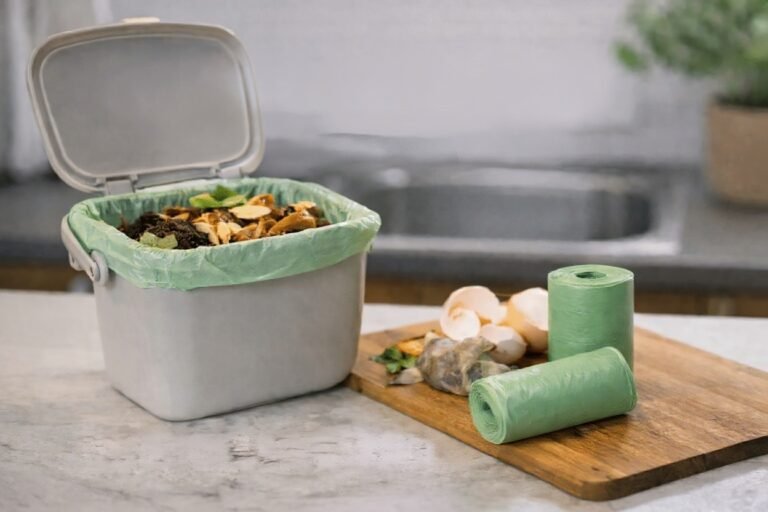 Home Care & DIYBest Compost Bags in Canada That Don’t Leak (2026): 7 Picks That Actually Hold UpBest compost bags for Canada’s green bin programs that don’t leak in 2026. We compare 3-gallon kitchen liners by real buyer feedback, thickness, fit, and leak resistance.
 -
 Home Care & DIYWhat Not to Use Bar Keepers Friend On (7 Surfaces to Avoid)What not to use Bar Keepers Friend on: 7 surfaces the oxalic acid formula can damage — including some that surprised us. Know these before you grab the can.
 -
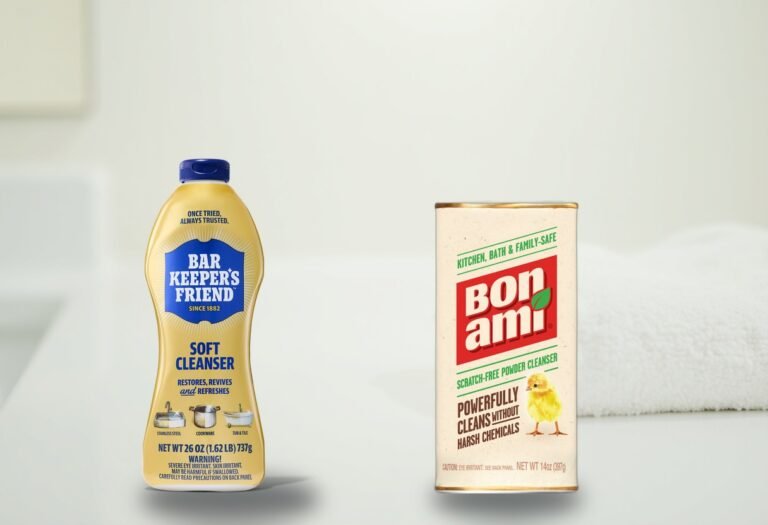 Home Care & DIYBar Keepers Friend Soft Cleanser vs Bon Ami: Which Is Safer for Glass?Bar Keepers Friend Soft Cleanser vs Bon Ami: which is safer for glass surfaces? We compare abrasive level, ingredients, and real results on stove tops and shower doors.