 Inspire
Best Vitamin D Supplement for Canada (2026)
A 1988 study using Edmonton as its test site found winter sunlight literally cannot trigger vitamin D synthesis in skin this far north. Here’s what actually covers the gap.
Updated July 19, 2026 · 8 min read · ✓ Fact-checked · Includes affiliated links
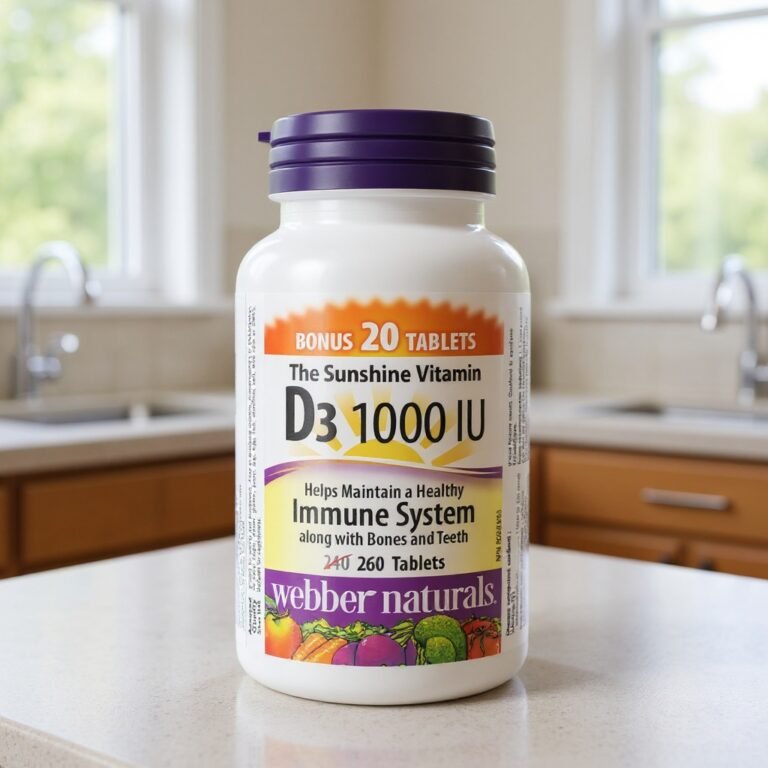
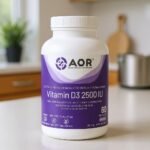
Webber Naturals Vitamin D3 1000 IU is a straightforward, NPN-verified daily option. If you want a vegan source (most D3 on the market is derived from lanolin, sheep’s wool grease, vegetarian but not vegan), AOR’s lichen-sourced D3 is the real, disclosed alternative. Every pick here has its Natural Product Number cross-checked directly against Health Canada’s own licensed product database, not just the brand’s own claim.
Health Canada’s daily recommendation is 400 IU for most adults, rising in importance (not amount) for anyone 50+. The tolerable upper limit is 4,000 IU/day, more isn’t automatically better.
Every legally-sold vitamin D supplement in Canada carries a Natural Product Number, an 8-digit code proving Health Canada reviewed it for safety first. That’s a real difference from the US, where supplements aren’t pre-approved the same way. We checked every NPN below against Health Canada’s own database, not just the number on the label.
Our picks
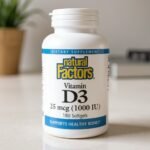
How much vitamin D do you actually need?
Health Canada gives two related but different numbers, worth not confusing:
| Group | Health Canada guidance |
|---|---|
| Adults 2-50 | 400 IU/day supplement, or eat vitamin D-rich foods daily |
| Adults 51+ | 400 IU/day supplement, in addition to food sources |
| Breastfed infants | 400 IU/day from birth (Canadian Paediatric Society) |
| Infants/anyone north of 55°N (about Edmonton’s latitude) | 800 IU/day, per the Canadian Paediatric Society |
| Tolerable upper limit, adults | 4,000 IU/day |
The separate Dietary Reference Intake figures (600 IU/day for most adults, 800 IU/day for 71+) describe total intake from all sources combined, diet, sun, and supplement, not the supplement dose alone. Health Canada’s simpler 400 IU/day consumer guidance is the number to act on for a supplement specifically.
Why this matters more here than somewhere sunnier
A 1988 study specifically tested Edmonton’s winter sunlight and found that from October to March, UVB exposure at that latitude is too weak to trigger any vitamin D synthesis in human skin, regardless of how long someone stayed outside. A 2015 Canada-wide study using real Environment Canada UV index data reached the same conclusion across 13 Canadian cities: fall and winter sun exposure alone isn’t enough for any skin type to reach adequate vitamin D levels. Food and supplements aren’t a backup plan for most of the year in Canada, for several months they’re the only real source.
Frequently asked questions
What is an NPN and why does it matter?
A Natural Product Number is an 8-digit code Health Canada assigns after reviewing a product’s safety, quality, and label claims, it’s required by law before a natural health product can be legally sold in Canada. Every product in this guide has its NPN independently confirmed as Active on Health Canada’s own Licensed Natural Health Products Database, not just taken from the label.
Is vitamin D3 always vegan?
No. Most vitamin D3 on the market is derived from lanolin (grease from sheep’s wool), which is vegetarian but not vegan. Vegan D3 alternatives exist and are usually lichen-sourced, but only matter if the brand actually discloses it, many labels don’t specify either way.
Can I take too much vitamin D?
Yes. Health Canada sets a tolerable upper intake level of 4,000 IU per day for adults. The products in this guide range from 1,000 to 2,500 IU per dose, well within that limit at normal use, but stacking multiple supplements or fortified foods without accounting for total intake is how people exceed it.