 Inspire
What Ontario’s Free Well Water Test Actually Checks (and What It Doesn’t)
The free public health test is genuinely useful, and it only tells you about bacteria. Here’s what it misses and what your options are for the rest.
Updated July 5, 2026 · 9 min read · ✓ Fact-checked · Includes affiliated links
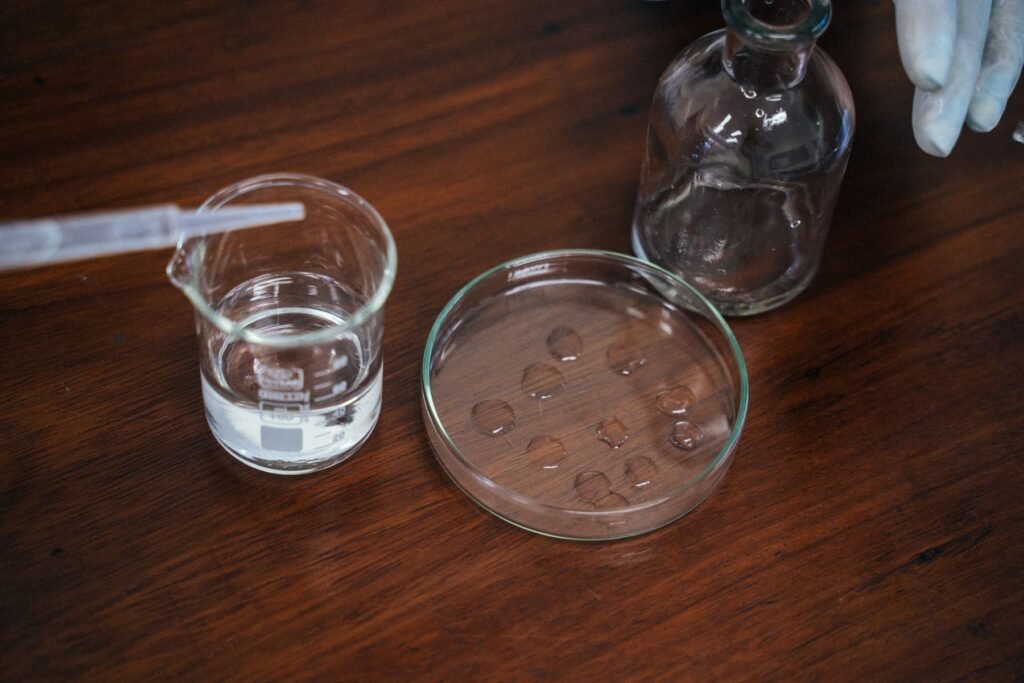
The free test is worth doing, and it only tells you about bacteria. If it comes back clean, your water is free of E. coli and coliform, that’s it. It says nothing about nitrates, arsenic, lead, or PFAS. If you want to know about those too, you need a separate private lab test, or a filter that handles them regardless of what any test shows.
Test your well 3 times a year (spring, summer, fall), and always after any flooding, well repair, or noticeable change in taste, smell, or colour.
Key takeaways
- Ontario’s free public health well test checks only for E. coli and coliform bacteria, nothing else.
- It does not test for nitrates, arsenic, lead, PFAS, or hardness. Those need a private lab test or aren’t covered by any free program.
- Results come back in 2 to 4 business days through the online portal, and testing 3 times a year is the standard recommendation.
- A reverse osmosis or 2-stage filter system covers the contaminants a bacteria test can’t see, whether or not you ever get a private test done.
Well Water Testing Ontario: If you want broad protection regardless of what a test shows
These are the same 3 systems we compare in full in our under-sink filter guide, picked here specifically for what they remove beyond bacteria.
What the free test actually covers
Every health unit in Ontario offers free water testing to households on a private well, and it’s a genuinely useful program: collect a sample in a kit from your local public health unit, submit it (many regions now use an online portal), and get results back in 2 to 4 business days.
But it only tests for one thing: bacterial contamination, specifically E. coli and total coliform. Public Health Ontario is explicit about this, the sample “is not tested for any other contaminants, such as nitrates and sodium.” A clean result means your well doesn’t have detectable bacterial contamination right now. It doesn’t mean your water is safe from everything.
The recommended schedule is 3 tests a year (spring, summer, fall), plus extra tests any time something changes, after a flood, after well repairs, or if the water suddenly looks, smells, or tastes different.

What it misses, and how to actually check for those
Bacteria is a real, urgent risk, it’s exactly why the free test exists. But rural wells have a second category of risk the free test says nothing about: nitrates (common near agricultural land and septic systems), arsenic and other naturally occurring metals (depends on your local bedrock), lead (usually from old plumbing, not the source water itself), and increasingly, PFAS (“forever chemicals”).
To check for any of these, you have two options: pay for a private lab test (a full panel typically runs somewhere in the $100 to $250 range depending on how many parameters you include), or ask your local health unit whether they offer any subsidized chemical testing beyond the free bacterial one, coverage varies by health unit and by province, so check locally rather than assuming.
If you’re outside Ontario, most provinces have a similar bacteria-focused free or low-cost program through public health, but the exact scope and cost differs. Confirm with your own provincial or local health authority before assuming the Ontario specifics apply to you.
| Parameter | Covered by the free test? | How to check if not |
|---|---|---|
| E. coli / total coliform | Yes, free | Included automatically |
| Nitrates | No | Private lab panel ($100–$250) or ask your local health unit about subsidized chemical testing |
| Arsenic & naturally occurring metals | No | Private lab panel |
| Lead | No | Private lab panel |
| PFAS (“forever chemicals”) | No | Private lab panel |
Protecting your water either way
Here’s the practical shortcut: you don’t have to wait for a private lab result to start filtering for what a bacteria-only test can’t see. A properly certified system removes the categories above whether or not you’ve confirmed they’re actually present, which is useful if a full private panel isn’t in the budget right now.
Frequently asked questions
Is well water testing mandatory in Ontario?
No, it’s not legally required for most homeowners, it’s a free, voluntary public health service. The exception is real estate transactions: many lenders and buyers require a recent clean bacterial test before closing on a property with a private well.
How much does a full private water panel cost?
It varies by lab and how many parameters you test for, but a broader panel covering nitrates, arsenic, and hardness typically runs somewhere in the $100 to $250 range. Bacteria-only private tests are usually cheaper than that.
Does boiling water fix what the free test doesn’t cover?
No. Boiling kills bacteria and some parasites, but it does nothing for nitrates, arsenic, lead, or PFAS, and it can actually concentrate some contaminants slightly as water evaporates.
My free test came back clean. Am I safe?
Safe from bacteria at the moment of testing, yes. That result says nothing about nitrates, arsenic, lead, or PFAS, since the free program doesn’t test for them. A clean bacterial result is good news, not a full clean bill of health.
What if I’m not in Ontario?
Most provinces offer some form of free or low-cost bacterial well testing through public health, but the scope, cost, and process differ. Check with your local or provincial health authority rather than assuming Ontario’s specifics apply where you live.
Bottom line
Do the free test, it’s genuinely useful and there’s no reason to skip it. Just don’t treat a clean result as a clean bill of health for everything. If you’re on well water long-term, a private lab panel for nitrates and arsenic is worth the one-time cost, especially near agricultural land. And if you’d rather filter broadly instead of testing and reacting, reverse osmosis handles the widest range of what a bacteria-only test can’t see.
Related reading
-
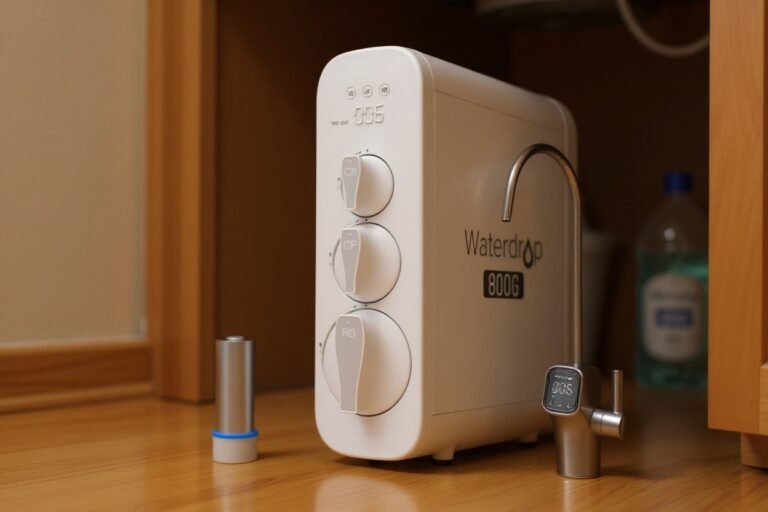 CanadaDoes Waterdrop, SpringWell, or Epic Water Ship to Canada? (2026)Waterdrop doesn’t ship to Canada at all. SpringWell and Epic Water do, with some catches. Here’s what we confirmed for each brand and where to buy instead when direct shipping isn’t an option.
 -
 CanadaBest Air Purifiers for Wildfire Smoke Season in Canada (2026)3 real air purifiers picked specifically for wildfire smoke: CADR smoke rating, true HEPA filtration, and real owner reviews, not just square footage claims on the box.
 -
 CanadaBest Portable Power Station Canada 2026: Storm-Ready Picks4 power stations ranked for Canadian outages. Real watt-hour calculator, furnace wattage guide, winter and summer storm picks.